After a five-year freeze, Gabon’s press card is back—a move hailed as a turning point for local journalism. This week’s announcement in Libreville lifts a bureaucratic void that left reporters without their professional accreditation, forcing them to navigate a murky media landscape. But with just five days to submit applications, the rollout is stirring more questions than answers.
Five years of limbo for Gabon’s journalists
The absence of updated press credentials since 2019 created a legal gray area for Gabon’s media professionals. The lapse spanned the final years of former President Ali Bongo Ondimba’s tenure and the military-led transition under General Brice Oligui Nguema, who took power in August 2023. Without official accreditation, journalists struggled to access government institutions, navigate legal protections, or distinguish their work from the rising tide of informal content creators saturating the news space.
Media regulation in Gabon is split between the Ministry of Communication and the High Authority for Communication, a dual structure that has historically blurred accountability. The revival of the press card, however, signals a push for institutional clarity—one aligned with the transition’s promise to rebuild a more transparent governance framework ahead of upcoming elections, marking the end of the post-coup transition period.
A five-day sprint that’s raising eyebrows in the industry
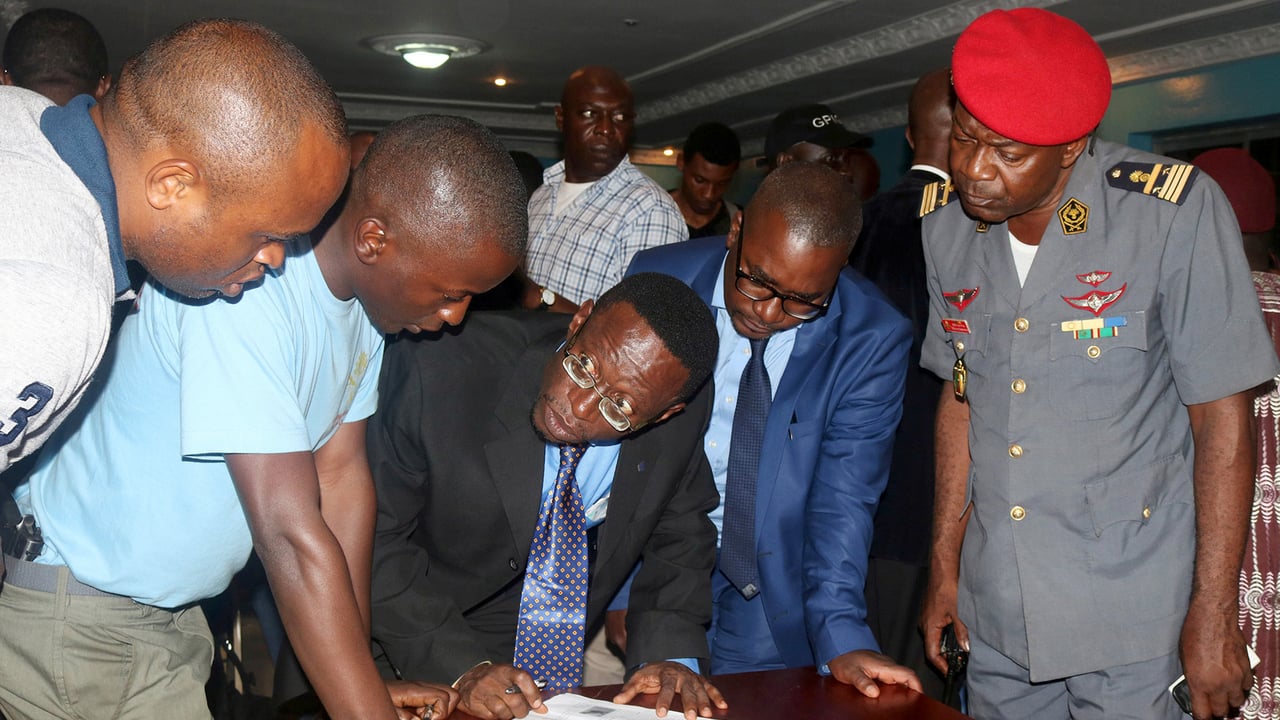
The compressed timeline has left many scrambling. Applicants must gather employer certifications, proof of professional experience, published work samples, and other administrative documents—all within five days. For journalists outside Libreville, in cities like Port-Gentil, Franceville, or Oyem, the race against the clock is compounded by logistical hurdles in a country where digital processing remains uneven.
Professional bodies, including the Gabonese Media Observatory and regional press unions, are closely monitoring the process. The exact number of eligible journalists remains uncertain, with estimates placing the country’s professional media workforce—spanning print, radio, television, and digital platforms—in the low hundreds. The press card also serves as a critical tool for tracking the industry’s health in an era where traditional journalism faces increasing competition from unregulated voices.
More than paperwork: A litmus test for press freedom under Gabon’s transition
International observers are watching closely. Reporters Without Borders ranked Gabon 56th globally in its 2024 Press Freedom Index—a relatively strong position in Central Africa but one that remains vulnerable to backsliding. Advocacy groups warn that while official accreditation can streamline access to official events and institutions, it must not become a tool for selective exclusion or bureaucratic control.
Comparisons with neighboring countries underscore the stakes. Senegal’s 2017 Press Code faced years of implementation delays due to disputes over the accreditation commission’s independence, fostering persistent tensions between authorities and media organizations. By contrast, Ivory Coast’s annual publication of verified journalist rosters has set a regional benchmark, offering a model of consistency that Central African capitals are still striving to meet.
For Gabon’s transitional leadership, the press card’s revival is a test of credibility. A transparent, well-managed process with clear criteria and reasonable deadlines could reinforce the narrative of a government committed to reform. Conversely, a rushed or opaque rollout risks deepening skepticism among journalists who have weathered years of political upheaval without meaningful improvements to their professional framework. The coming days will reveal whether this move marks a substantive step forward or merely a symbolic gesture in the long journey toward a free and accountable press.