Breaking point: a $17.6 million Congo-to-US transfer under the microscope
The transfer of $17.6 million from a Democratic Republic of Congo (DRC) government account to a Texas-based defense contractor has triggered a sharp shift in Washington’s scrutiny of financial dealings between American political figures and foreign governments. At the heart of the controversy is Richard “Ric” Grenell, a former U.S. ambassador to Germany and a close ally of former President Donald Trump, whose involvement has drawn fresh attention to the opacity surrounding the transaction.
What the transfer reveals about power, culture, and money in Washington
On May 29, 2025, a payment of $17.6 million was sent to Texas Armament & Technology (TX-AT), a defense firm with no obvious prior ties to the DRC. The transaction’s origins trace back to a Congolese Ministry of Finance account, but the payment’s rationale and intended use remain under intense debate. A key unanswered question is the alleged misdirection of $5.6 million that was reportedly meant for the Kennedy Center, a high-profile Washington cultural institution then led by Grenell.
These allegations surfaced amid broader concerns about the intersection of political influence, cultural patronage, and defense contracting. While Grenell has denied any wrongdoing, the allegations—whether substantiated or not—highlight the risks of unchecked financial flows between foreign governments and American entities tied to powerful political networks.
The backstory: who is Richard Grenell and why does he matter?
Grenell’s role as a Trump confidant and former ambassador has turned the spotlight on his connections to the controversial transfer. Reports suggest that internal communications referenced the possibility of access to high-level political events or meetings in exchange for cultural donations—a claim Grenell has categorically refuted. The lack of independent verification of these messages underscores the challenge of separating fact from speculation in a high-stakes political environment.
From Kinshasa to Texas: tracing the money’s journey
For the DRC, the transfer raises urgent questions about accountability and governance. If the funds originated from public coffers, why was such a substantial amount sent to a foreign defense company? What contractual obligations or services justified the payment? And critically, where did the $5.6 million intended for the Kennedy Center ultimately go?
The transaction’s opacity stands in stark contrast to the DRC’s ongoing struggles with transparency in public financial management. Without verifiable contracts, payment orders, or administrative justifications, the transaction appears to underscore systemic weaknesses in fiscal oversight. Meanwhile, the involvement of Turhan Mildon—a Turkish businessman with DRC infrastructure investments—adds another layer of complexity, though not necessarily a direct link to the payment itself.
Unanswered questions that demand answers
- Contractual basis: Was this a commercial transaction, or did it serve another purpose?
- Authorisation process: Who approved the transfer, and under what legal or procedural authority?
- Intended use: What goods or services was TX-AT supposed to provide in return?
- Cultural donation discrepancy: Were the funds for the Kennedy Center actually diverted, and if so, where did they end up?
Why this case matters beyond names and politics
The stakes extend far beyond the individuals involved. For the DRC, the case is a reminder of the importance of robust financial governance. Public funds must be traceable, justified, and subject to rigorous oversight to prevent misuse. If irregularities are confirmed, the consequences could extend beyond moral condemnation to legal accountability for those responsible.
For Washington, the episode serves as a cautionary tale about the risks of blurred lines between political access, cultural institutions, and defense contracting. As scrutiny intensifies, the focus remains on the transparency of the transaction itself—not on speculative accusations, but on hard evidence: documents, contracts, and financial trails that can either clarify or deepen the mystery.
What’s next: will the truth come to light?
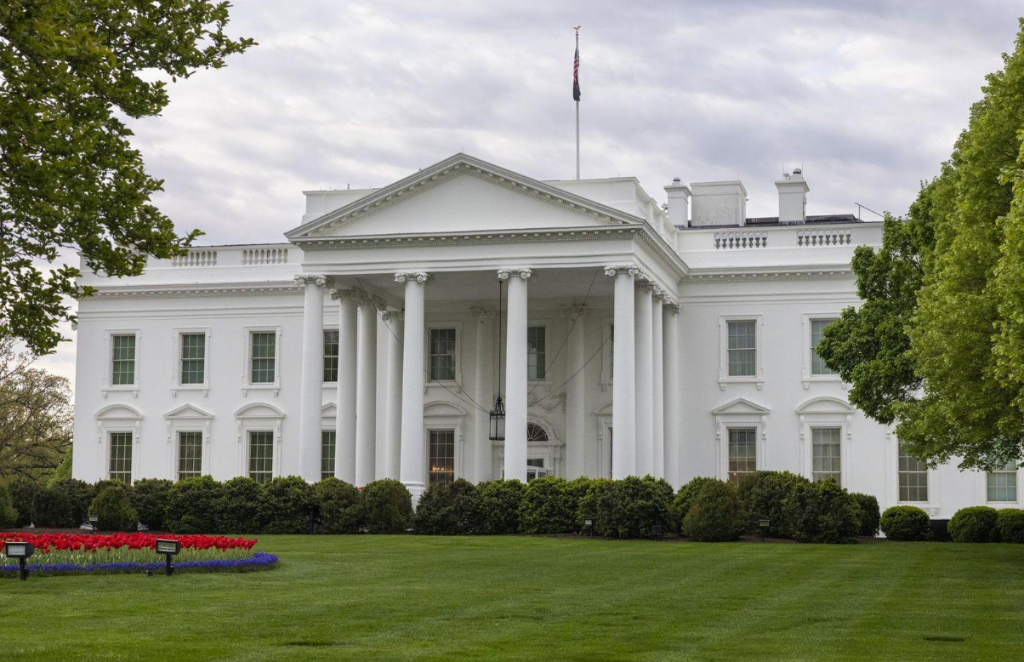
With the White House examining the allegations, the outcome of this investigation could set a precedent for how similar cases are handled in the future. Will the records reveal a legitimate transaction shrouded in administrative ambiguity? Or will they expose deeper financial improprieties requiring legal consequences?
The answers lie not in political posturing, but in the meticulous review of financial documentation and the willingness of all parties to cooperate. Until then, the case of the $17.6 million transfer remains a turning point—one that challenges assumptions about financial integrity, political influence, and the accountability of powerful figures on both sides of the Atlantic.