Central African Republic at a decisive crossroads under foreign influence
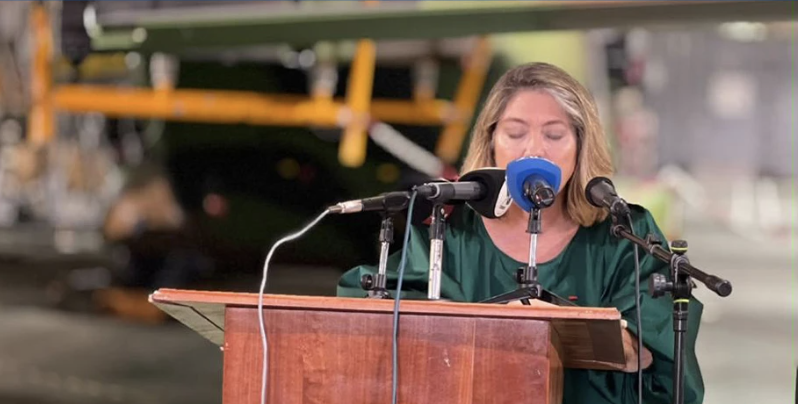
For prominent analyst Marie-Reine Hassen, the Central African Republic has become Moscow’s most advanced testing ground for its African ambitions—a strategic inflection point that now demands urgent scrutiny. With the country’s sovereignty wavering under the weight of foreign interventions, Hassen warns that the time for decisive action has arrived.
From theory to reality: Moscow’s evolving footprint in the Sahel
Russia’s influence in the Central African Republic has evolved from rhetoric to tangible geopolitical power, reshaping the country’s economic and security landscapes in ways that remain hotly debated. According to Hassen, this transformation is not merely incremental—it represents a fundamental shift with long-term consequences for the nation’s future.
The economic equation: promises versus pitfalls
The Kremlin-backed presence has injected capital into the Central African Republic’s struggling economy, particularly through resource extraction and infrastructure deals. Yet this financial lifeline comes at a cost:
- Resource monopolization: Key sectors like mining and timber are increasingly dominated by Russian-linked entities, raising concerns about sustainable local benefits.
- Currency instability: Dependence on foreign investment has introduced volatility to the Central African CFA franc, straining household purchasing power.
- Debt traps: Critics argue that opaque loan agreements could bind Bangui to unsustainable financial obligations for decades.
Security or occupation? The Wagner factor
The deployment of Russia’s Wagner Group—officially as ‘advisers’—has fundamentally altered the security calculus in the Central African Republic. While proponents credit them with stabilizing volatile regions, opponents liken their presence to foreign occupation, citing:
- Human rights controversies: Accusations of indiscriminate violence and extrajudicial tactics have tarnished the group’s reputation globally.
- Erosion of local institutions: The reliance on private military forces undermines the authority of the Central African Republic’s national defense and security forces.
- Proxy dynamics: Wagner’s operations are said to serve broader geopolitical goals, making the Central African Republic a pawn in Moscow’s broader African strategy.
Hassen’s warning: A nation at the mercy of external forces
In her analysis, Marie-Reine Hassen highlights what she describes as a deliberate erosion of sovereignty, where foreign actors now dictate the terms of governance, trade, and security. The Central African Republic’s strategic minerals, agricultural potential, and geographic position have made it a high-stakes arena for global power competition.
The citizen perspective: between hope and disillusionment
For many Central Africans, the Russian engagement has brought tangible benefits—improved road networks, enhanced electricity access, and temporary stability in conflict zones. Yet these gains are often overshadowed by:
- Lack of transparency: Many deals are negotiated behind closed doors, with limited public oversight.
- Uneven development: While urban centers like Bangui see visible improvements, rural areas remain neglected.
- Cultural tensions: The influx of foreign personnel and ideologies has sparked friction with local traditions and values.
What’s next? The road to reclaiming agency
The Central African Republic stands at a precipice—will it consolidate its ties with Moscow, navigate a more balanced foreign policy, or chart an independent course? Hassen urges the government to:
- Conduct independent audits: Thorough reviews of all foreign agreements to ensure they align with national interests.
- Strengthen regional ties: Diversify partnerships to reduce over-reliance on any single external actor.
- Prioritize institutional resilience: Invest in local governance structures to reduce vulnerability to foreign pressure.
The decisions made today will determine whether the Central African Republic emerges as a sovereign nation or succumbs to the agendas of external powers. As Hassen frames it, this is not just a turning point—it is a moment of reckoning.
The geopolitical ripple effect across Africa
Beyond the Central African Republic’s borders, Moscow’s strategy has sent shockwaves through the continent. Neighboring nations are closely monitoring the experiment, weighing the potential benefits and risks of engaging with Russian-backed initiatives. For Africa, the stakes could not be higher.