The turning point: when gold replaced bullets in Sahel security contracts
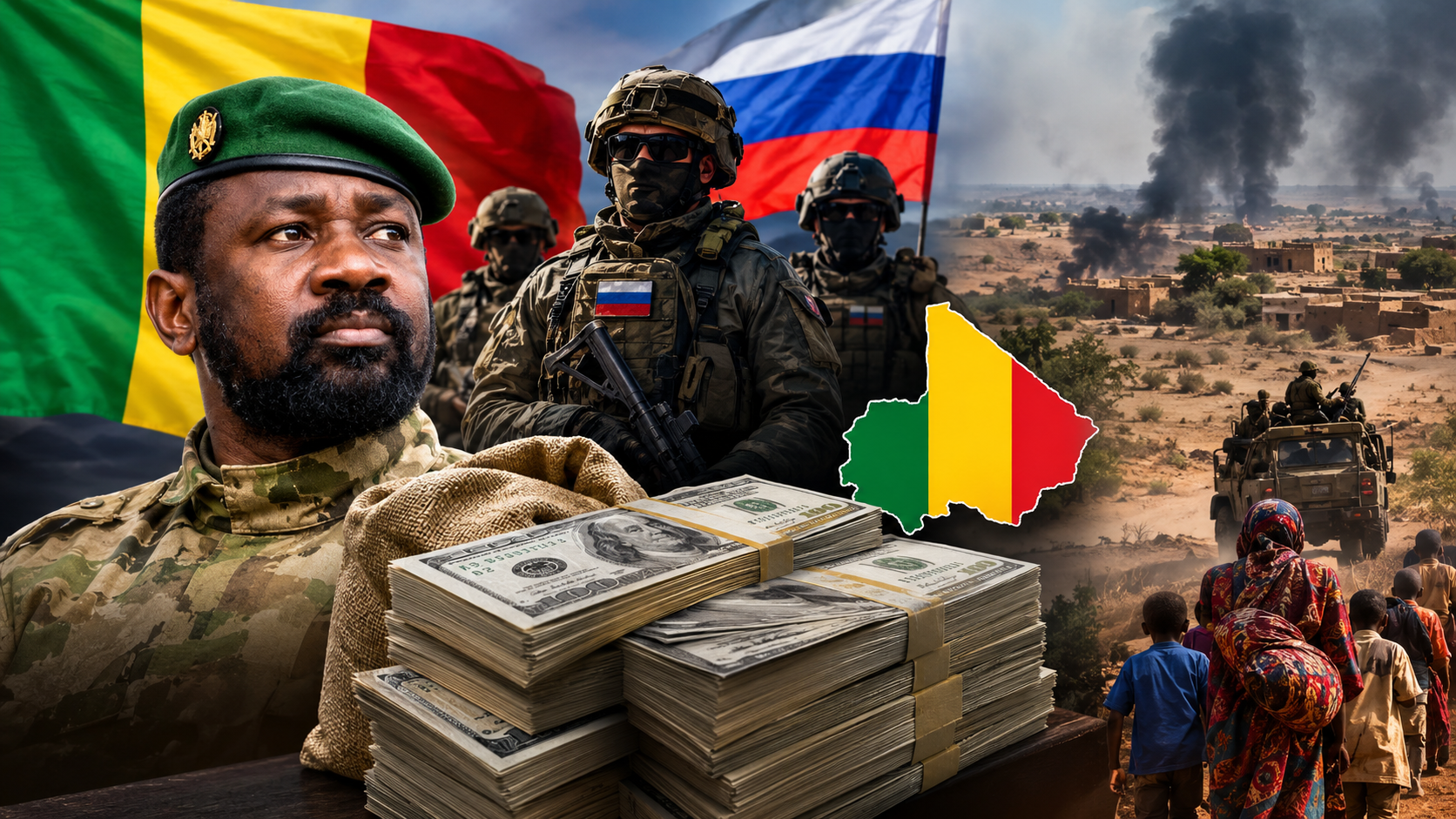
The security landscape across Africa’s Sahel region is undergoing a seismic shift. No longer confined to military support, Russia’s presence is now inextricably linked to gold mining, trade routes, and economic influence. This transformation isn’t just about firepower—it’s about leverage. As Moscow deepens its partnerships with Sahel states, the question looms: are these alliances securing stability or trading sovereignty for mineral wealth?
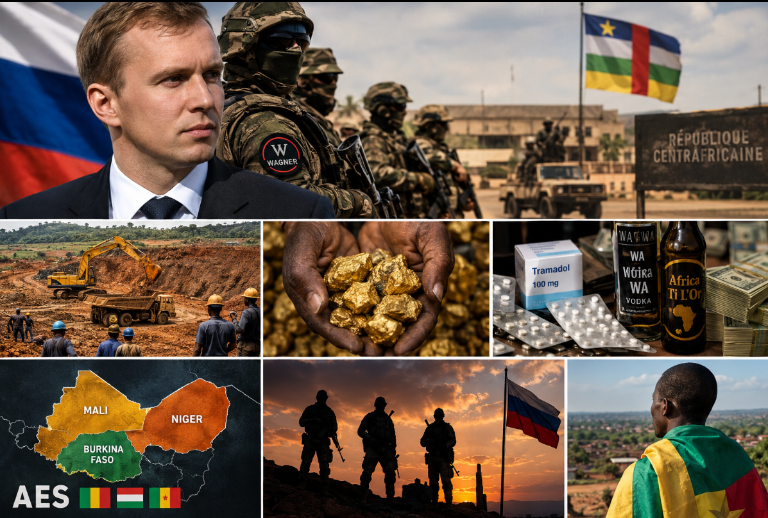
In the Central African Republic, the blueprint is already in motion. Reports indicate that Pavel Prigojine—son of the late Wagner Group founder Yevgeny Prigojine—has expanded a sprawling economic empire valued at over $400 million annually. This network, spanning security, mining, and trade, has redefined what it means to be a security partner in Africa. The model is spreading, raising urgent questions for the Sahel’s Alliance of States (AES)—Mali, Burkina Faso, and Niger—about the hidden costs of Russian support.
From mercenaries to miners: the centrafrican model spreading north
In Bangui, Wagner’s legacy lives on under new leadership. More than 500 Russian contractors remain embedded in the country, not just as protectors of the regime but as economic operators. Their presence is tied to one of the region’s most lucrative resources: gold. A single mining operation linked to the network reportedly generates $250 million in annual revenue—far exceeding the value of traditional security contracts. But where does this wealth go? The opacity of these deals has fueled speculation about whether profits are reinvested in local development or siphoned into private networks.
The Central African Republic serves as a testing ground for a new kind of security-for-resources exchange. Wagner’s fighters, once deployed to stabilize a fragile government, now operate within a system where military protection and mining concessions reinforce each other. This hybrid model blurs the line between state security and corporate profit, creating a cycle that’s difficult to break. For Sahel nations grappling with jihadist insurgencies and waning Western support, this precedent is both a warning and a potential path forward—if the risks are managed.
When security contracts come with strings attached
The Central African model raises critical concerns about governance and accountability. When a security provider also controls key economic sectors, the priorities of the state and the partner can diverge sharply. Is the goal to protect civilians or to secure mining profits? The line between the two becomes dangerously thin when the same actors are involved in both.
Investigations have highlighted additional revenue streams for these networks, including arms trafficking, alcohol distribution, and the unregulated trade of tramadol—a prescription opioid with severe addiction risks. While these activities don’t define the entire Russian presence in Africa, they underscore a troubling pattern: security partnerships can evolve into multi-faceted economic empires, where the line between state and private interest dissolves. For Sahel governments, this means any military cooperation must be scrutinized not just for its security benefits, but for its economic and political fallout.
The Sahel’s dilemma: security or sovereignty?
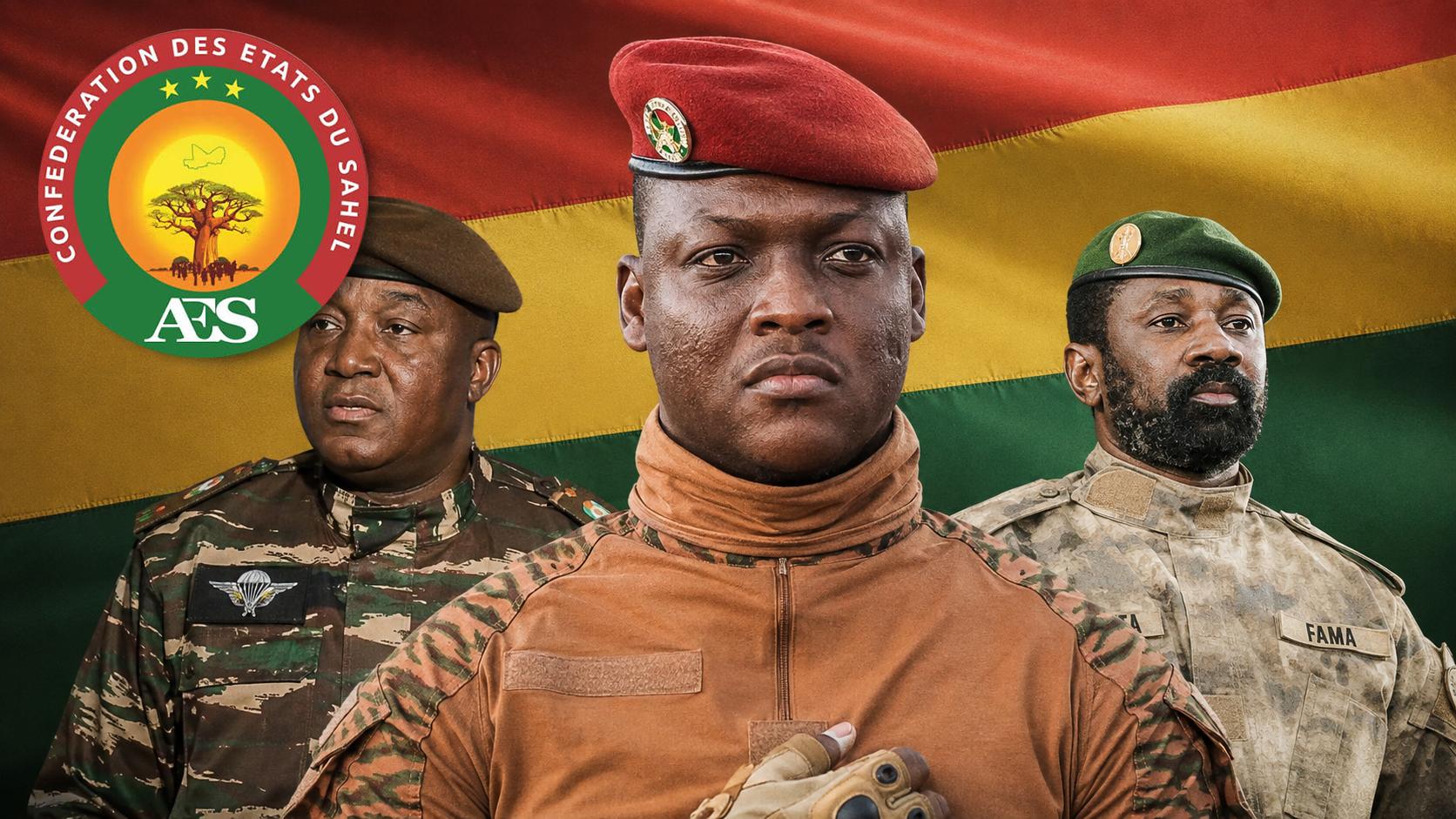
The Alliance of States (AES)—Mali, Burkina Faso, and Niger—faces a stark choice. Confronted by relentless jihadist violence and strained relations with Western partners, these nations have turned to Moscow for military support. But the Central African experience serves as a cautionary tale. In Bamako, Niamey, and Ouagadougou, the debate is intensifying: can security partnerships with Russia deliver stability without compromising national autonomy?
Each country’s trajectory differs. In Mali, Russian contractors have been linked to controversial operations, sparking debates over civilian casualties and the true cost of this alliance. In Burkina Faso, the focus has been on the rapid expansion of military ties, with questions emerging about the long-term implications for the country’s resource governance. Niger, meanwhile, has seen its relationship with Moscow deepen amid political turbulence, raising concerns about whether economic concessions are being made in exchange for security guarantees.
The core issue isn’t about choosing between Russia and the West—it’s about ensuring that any partnership, regardless of origin, serves the national interest. Transparent contracts, independent oversight of mining operations, and clear mechanisms for revenue sharing are essential to prevent security cooperation from morphing into a Trojan horse for foreign economic control. The Sahel’s future stability may depend on getting this balance right.
Moscow’s dual strategy: control vs. chaos
Russia’s approach to Africa has undergone a strategic recalibration since the failed mutiny of Yevgeny Prigojine in 2023. The Kremlin has sought to formalize its African engagements under the banner of the Africa Corps, a state-linked initiative aimed at bringing Wagner’s operations under official supervision. Yet, the legacy of Prigojine’s networks persists. In the Central African Republic, these ties have allowed Pavel Prigojine to maintain a degree of autonomy, blending military presence with economic ventures that operate in a legal gray zone.
This duality reflects a broader tension in Russia’s African strategy. On one hand, the state seeks to project power through disciplined, state-sanctioned forces. On the other, decentralized networks—once part of Wagner—continue to thrive, driven by profit motives and local alliances that are harder to dismantle. For Sahel governments, this means that even as Moscow centralizes its African operations, the risk of unchecked economic influence remains. The question is whether these networks will be reined in or allowed to flourish, turning security partnerships into vehicles for long-term Russian economic dominance.
The sovereignty equation: can gold and guns coexist fairly?
The Central African Republic’s experience forces a fundamental reckoning: what does sovereignty look like when a country’s security depends on a partner that also controls significant economic assets within its borders? The answer isn’t binary. It’s about transparency, accountability, and the ability to ensure that the benefits of cooperation—whether military, economic, or diplomatic—are shared equitably.
For the Sahel, this means demanding more than just security outcomes. It requires rigorous contract negotiations, independent audits of mining revenues, and mechanisms to hold partners accountable for civilian protection. The goal isn’t to reject Russian support outright but to ensure it doesn’t come at the cost of the nation’s autonomy or the well-being of its people. The gold-for-security model may offer a short-term solution to instability, but its long-term consequences could be far more destabilizing.
Ultimately, the Sahel’s future hinges on a single, critical decision: will these nations use their partnerships to build resilience, or will they trade sovereignty for the illusion of security? The Central African precedent suggests the latter carries hidden costs—costs that may not be apparent until it’s too late.