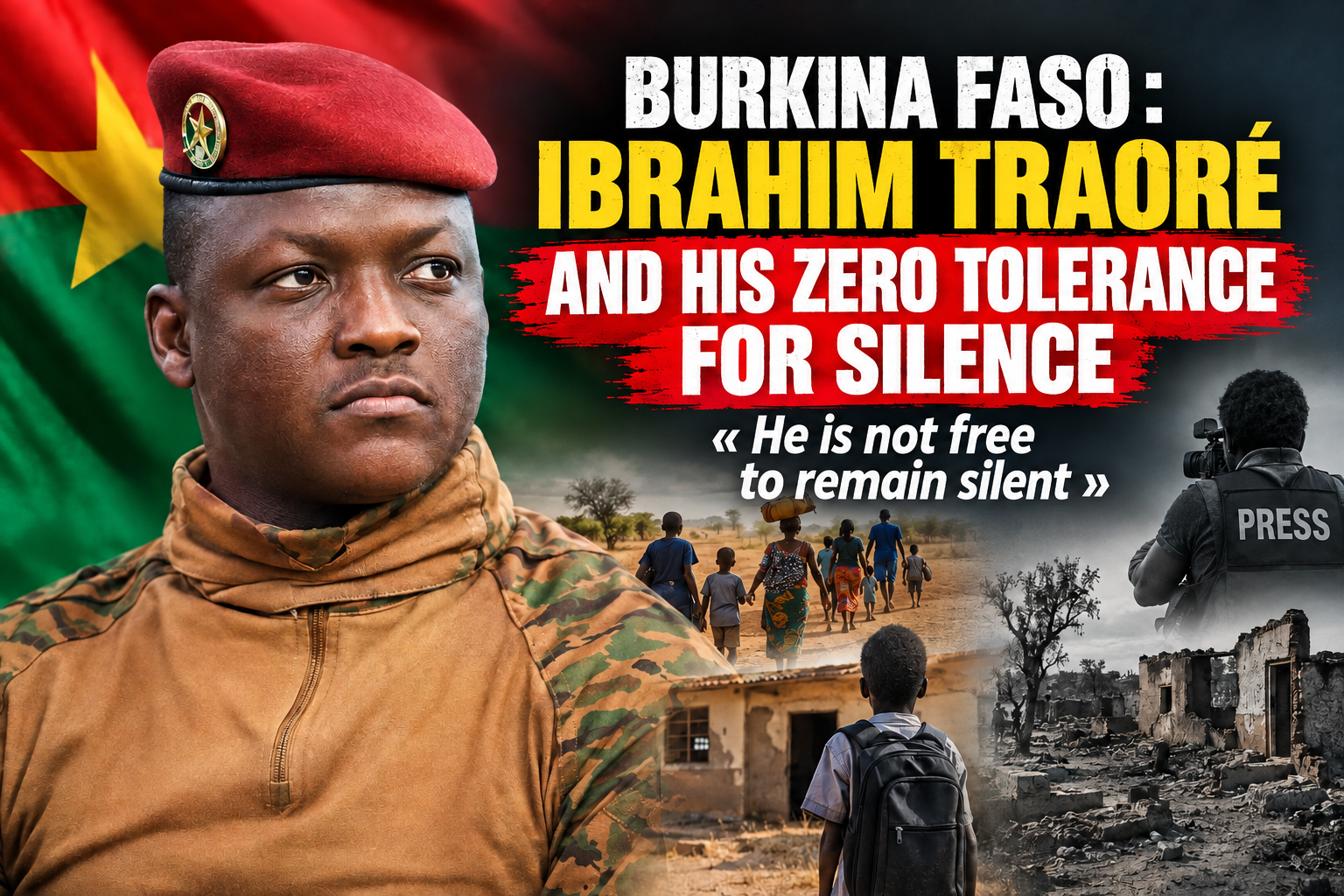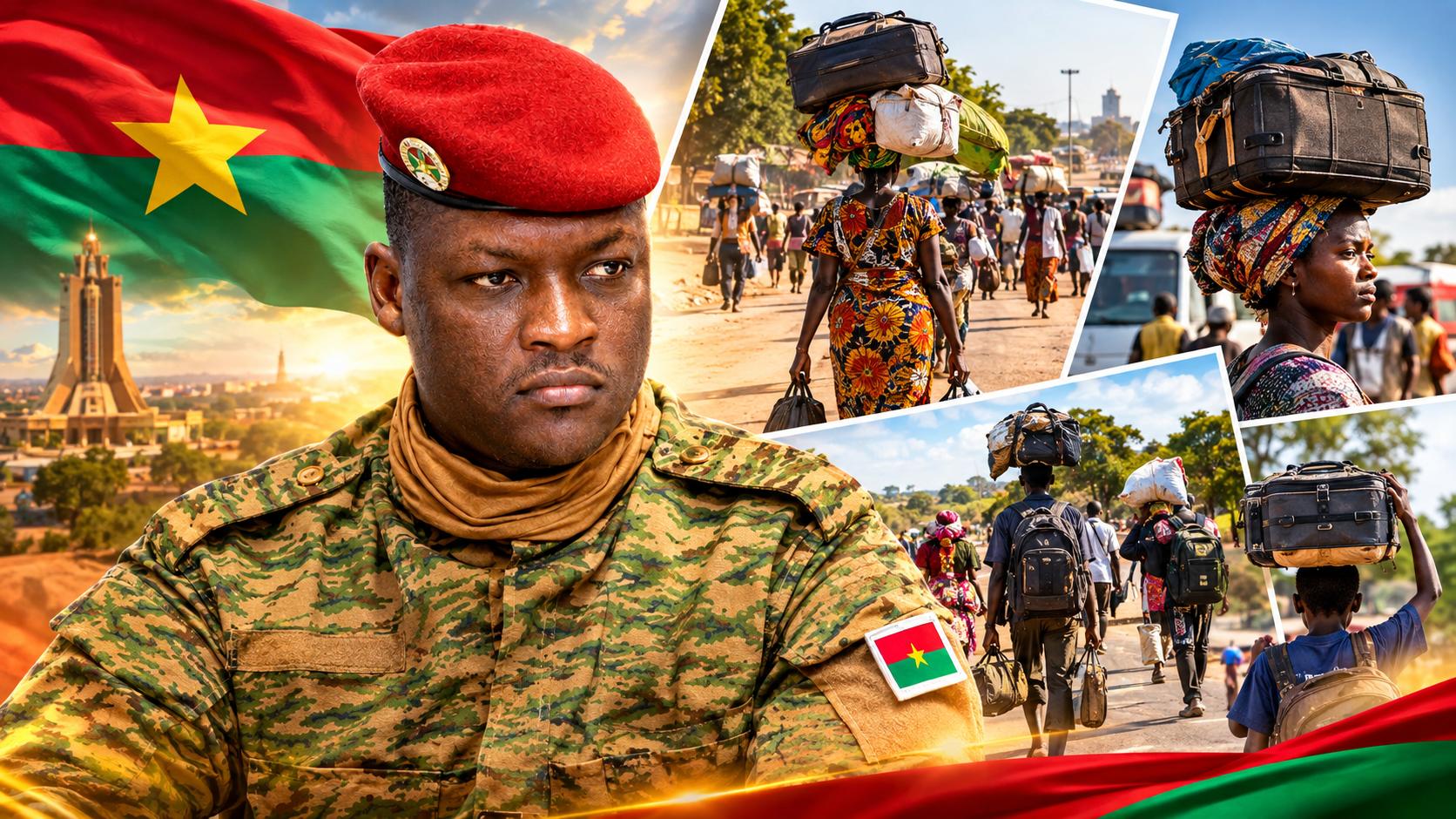
Ouagadougou — Four years after Captain Ibrahim Traoré seized power in Burkina Faso, his government’s narrative of territorial reconquest and national sovereignty collides with stark humanitarian and political realities. While officials tout progress in regaining control of regions previously dominated by armed groups, the human and security toll of his administration remains deeply contested.
Security promises vs. persistent instability
Traoré’s rise to power on September 30, 2022, was framed as a pivotal moment for Burkina Faso’s fight against extremist violence. Central to his strategy has been the militarization of the conflict, including the expansion of the Volontaires pour la défense de la patrie (VDP), a civilian auxiliary force integrated into the military effort. The government claims successes in retaking key areas, alongside increased troop capacity and community mobilization.
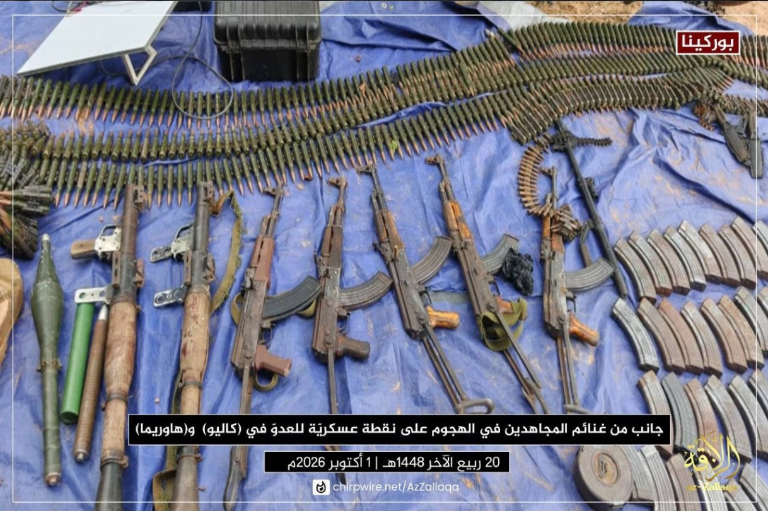
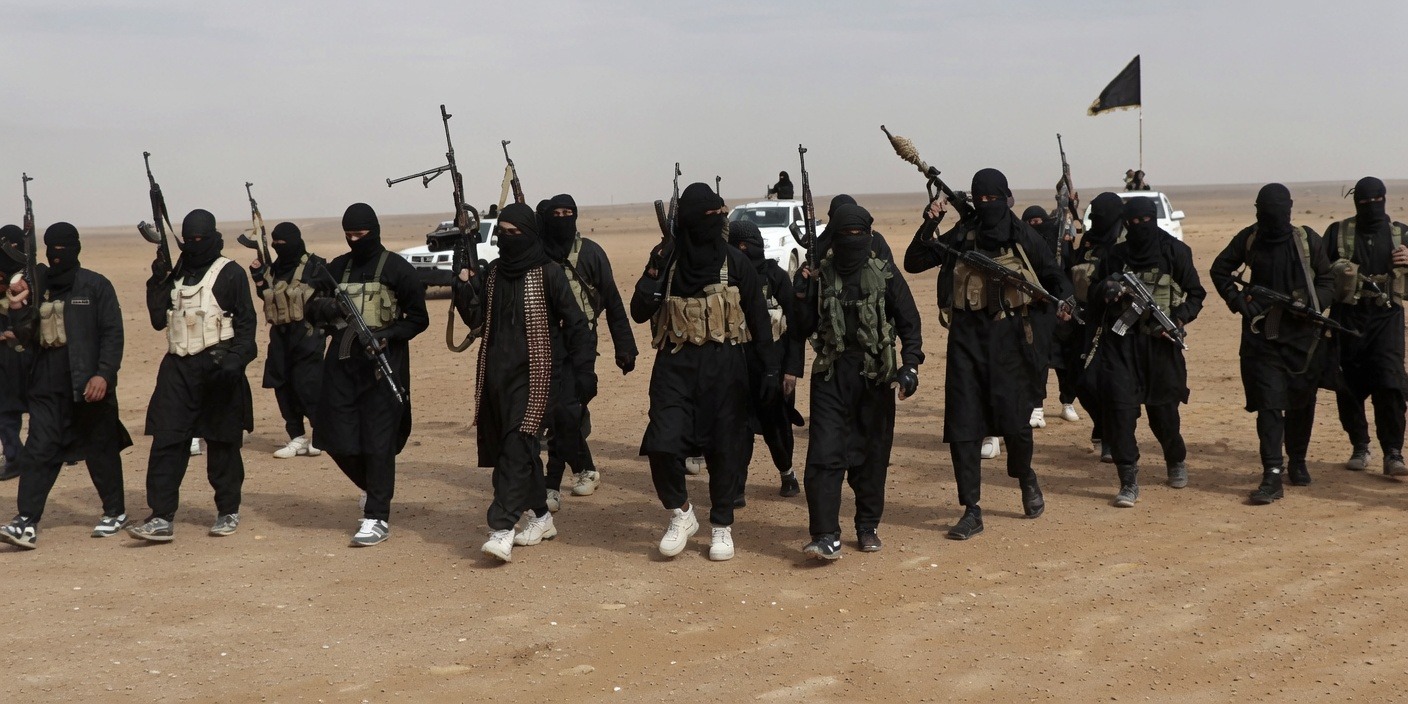
Yet, despite these efforts, instability persists. Armed groups continue to launch regular attacks on both security forces and civilians. Data from conflict monitoring initiatives indicates that jihadist factions retain significant operational capacity, with civilian targeting remaining a defining feature of the insurgency. The paradox is clear: while Ouagadougou asserts territorial control, insecurity remains a daily threat for millions.
More than two million displaced: a humanitarian crisis deepens
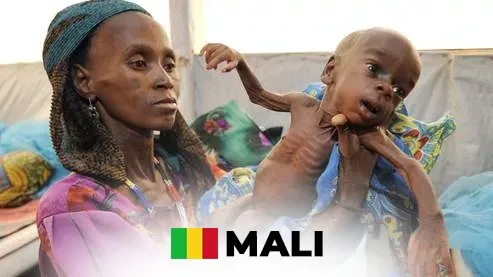
The displacement of civilians stands as the most visible consequence of the ongoing conflict. By the end of 2025, the United Nations High Commissioner for Refugees (UNHCR) reported over 2.06 million internally displaced persons (IDPs) within Burkina Faso, alongside growing numbers of refugees and asylum seekers. This mass displacement reflects not only attacks by armed groups but also allegations of abuse linked to military campaigns.
Human rights organizations have documented incidents involving civilian casualties during military operations, including claims of extrajudicial violence. Between 2023 and 2025 alone, researchers recorded at least 1,800 civilian deaths attributed to such incidents, underscoring the blurred line between security operations and human rights violations. The humanitarian cost of reconquest remains a pressing issue.
Press freedom under siege: journalists targeted and silenced
Another defining feature of Traoré’s tenure has been the shrinking space for independent reporting. While authorities cite national security as justification for tighter media controls, press freedom advocates warn of systemic repression. Reports indicate a rise in detentions, forced conscriptions, and interrogations targeting journalists.
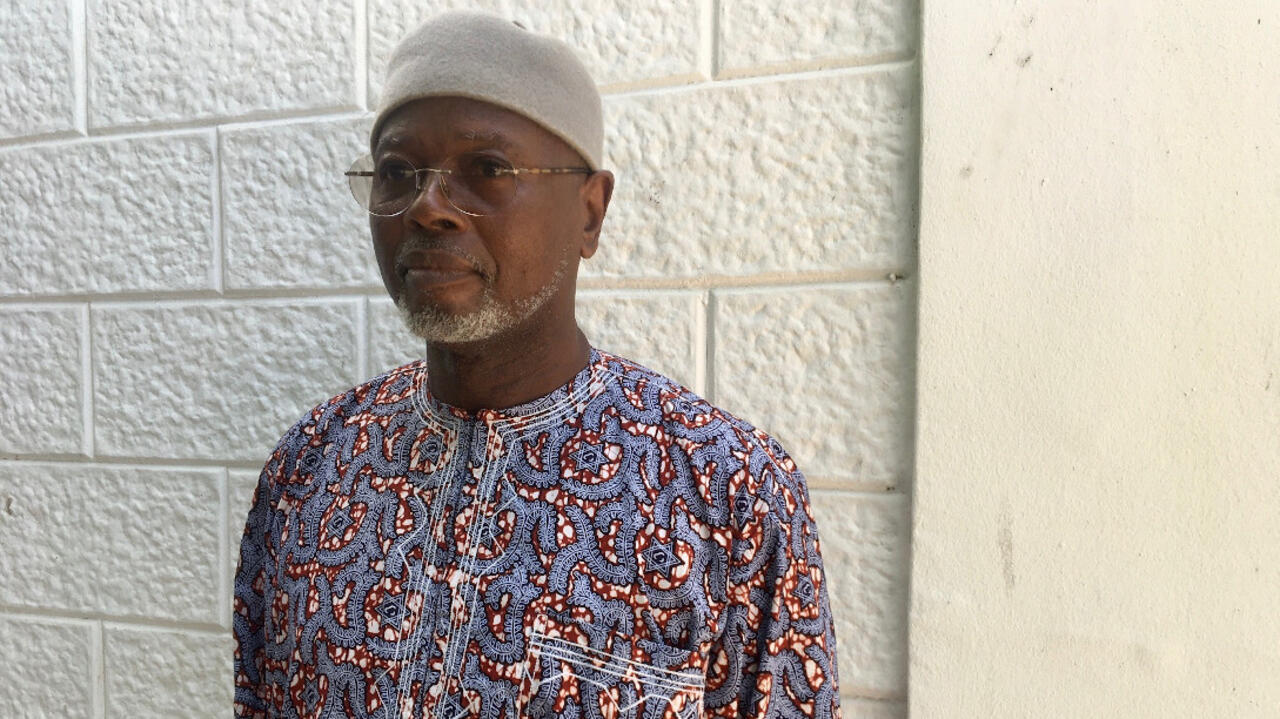
In October 2025 alone, eight journalists were questioned by intelligence services. The case of Atiana Serge Oulon, editor of L’Événement, became emblematic. Kidnapped in June 2024, he was publicly presented by authorities as a conscript sent to the front. Yet investigations by rights groups suggest he was secretly detained in Ouagadougou without due process, raising concerns over the use of forced recruitment as a tool of political suppression.
Forced enlistment: mobilizing citizens or silencing dissent?
The practice of conscripting critics—including journalists, activists, and opposition figures—into military service has drawn international concern. Human rights observers warn that such measures blur the line between legitimate national mobilization and punitive action against perceived opponents. While states have the right to mobilize for defense, critics argue that the process must uphold due process and allow for legal recourse.
Such tactics have particularly affected civil society leaders and independent voices, raising fears of a broader crackdown on dissent under the guise of wartime necessity.
Asserting sovereignty: real change or strategic pivot?
Traoré’s government has aggressively pursued a narrative of sovereignty, distancing Burkina Faso from traditional partners while strengthening ties with Russia and aligning closely with neighboring Mali and Niger through the Sahel Alliance. Domestic policies have also prioritized local resource processing, particularly in mining, aiming to reduce dependence on foreign control.
Yet this push for autonomy coincides with a declining space for political and civic expression. Reports allege arrests, detentions, and forced exiles targeting critics, journalists, and civil society figures. The contradiction is stark: a government that champions self-determination at home while restricting the very freedoms it claims to defend.
A divided legacy: reconquest, repression, and unanswered questions
Four years into his rule, Ibrahim Traoré’s legacy remains contested. On one hand, his administration points to military gains, strengthened security partnerships, and declared progress in resource sovereignty. On the other, the rising toll of displacement, ongoing insecurity, and documented human rights violations paint a more complex picture.
As Burkina Faso grapples with the dual challenges of territorial recovery and the protection of its citizens, the central question looms: Can a nation secure its future while abandoning its people’s rights and dignity along the way?