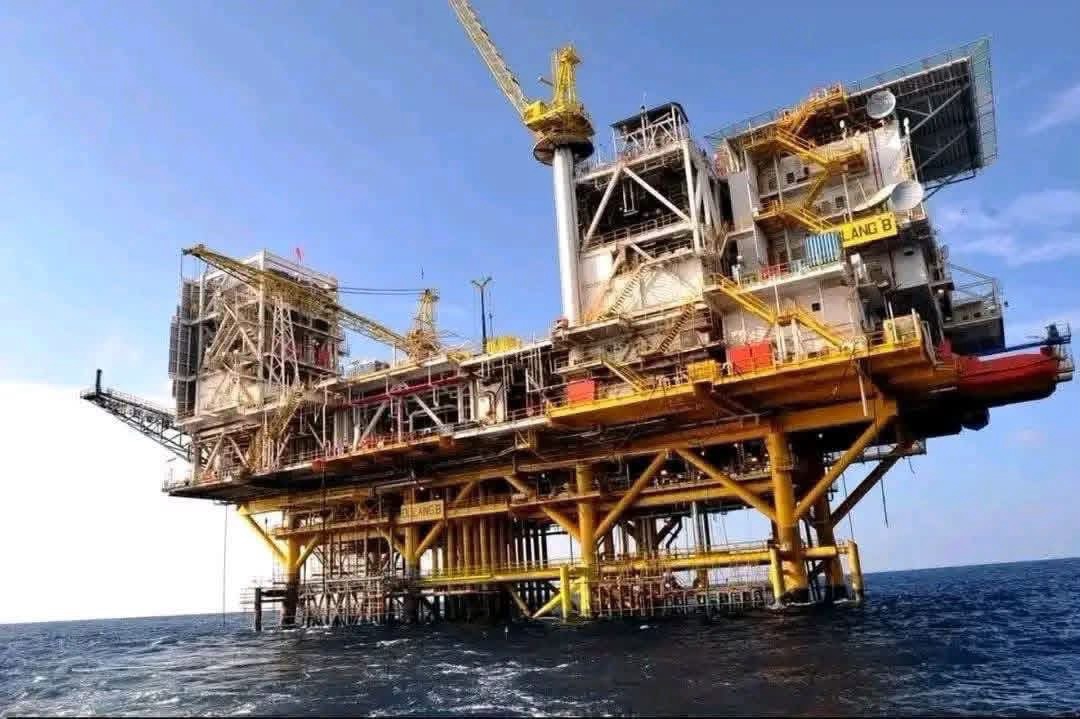
After decades in limbo, Benin has broken new ground in its energy sector by resuming crude oil exports. A landmark shipment of roughly 330,000 barrels from the Sèmè offshore field has set sail for Rotterdam, marking a pivotal moment in the country’s economic and industrial history. This maiden voyage follows nearly 30 years of halted production, culminating in a strategic breakthrough that could reshape Benin’s financial landscape.
The road to resumption: from dormancy to delivery
Sèmè’s offshore field first came online in 1982, only to fall dormant in the late 1990s due to dwindling output, technical hurdles, and shifting market conditions. For nearly three decades, the resource lay untapped until renewed investment, advanced feasibility studies, and strategic drilling revived the project. Under the stewardship of Akrake Petroleum Benin, production resumed in early 2026, paving the way for this historic export.
The operation reached a critical milestone when the Kriti Jade tanker departed Beninese waters, carrying a cargo destined for European markets. Scheduled to dock in Rotterdam by November 18, 2026, the shipment signals Benin’s re-entry into the global oil trade a feat underscored by technical precision and logistical coordination.
A strategic lever for economic diversification
The resumption of oil exports introduces a transformative opportunity for Benin, historically reliant on agriculture, port services, and trade. While the country remains a modest player in the global energy arena, the return of Sèmè’s crude offers a new revenue stream, bolstering foreign exchange reserves and strengthening public finances.
In an era of volatile energy prices and supply chain disruptions, domestic production enhances Benin’s resilience. Though not poised to rival regional oil giants, the initiative diversifies the economy, reduces import dependence, and positions the nation as a credible player in international energy markets.
Beyond barrels: unlocking sectoral spillovers
Sèmè’s revival extends far beyond raw exports. The project has already catalyzed growth in ancillary industries maritime logistics, industrial maintenance, and engineering as well as job creation in niche technical fields. For these benefits to endure, a robust local content strategy is essential, ensuring Beninese enterprises secure contracts under fair and competitive terms.
Equally crucial is workforce development. Training programs and technology transfers could cultivate a skilled labor force, fostering a self-sustaining ecosystem of energy services. Such advancements would not only localize expertise but also attract foreign investment by demonstrating operational reliability and governance transparency.
The refining paradox: exporting raw potential
A common misconception persists: crude oil exports equate to cheaper domestic fuel. In reality, Sèmè’s output is a raw commodity, sold on international markets rather than refined locally. As such, Benin will continue to import processed petroleum products to meet internal demand, a dynamic that coexists with its new export role.
However, the long-term viability of local refining warrants exploration. Assessments would need to evaluate production volumes, crude quality, national fuel needs, infrastructure costs, and economic feasibility. The goal? To retain greater value within Benin’s economy by transforming crude into higher-value derivatives.
Sustainability and scale: the challenges ahead
Sèmè’s success hinges on three critical factors: sustainable production, environmental stewardship, and revenue management. Offshore drilling demands continuous investment, rigorous safety protocols, and stringent environmental safeguards to protect marine ecosystems.
The field’s long-term viability remains unproven. Future output levels, shipment frequency, operational costs, and reserve estimates will determine whether this is a short-lived boom or a lasting economic pillar. Transparent reporting on production data and revenue allocation will be vital to maintaining public trust and guiding policymaking.
For Benin, the Sèmè field’s reactivation is more than a cargo heading to Europe it’s a turning point. The challenge now is to translate this milestone into lasting prosperity: generating sustainable income, fostering local expertise, and channeling profits into infrastructure, education, and healthcare. The true measure of success will lie not in the volume of oil shipped, but in its power to uplift generations to come.
By Thérèse Nguimfack — Journalist