Breaking point: Ibrahim Traoré’s judicial crusade against exiled critics
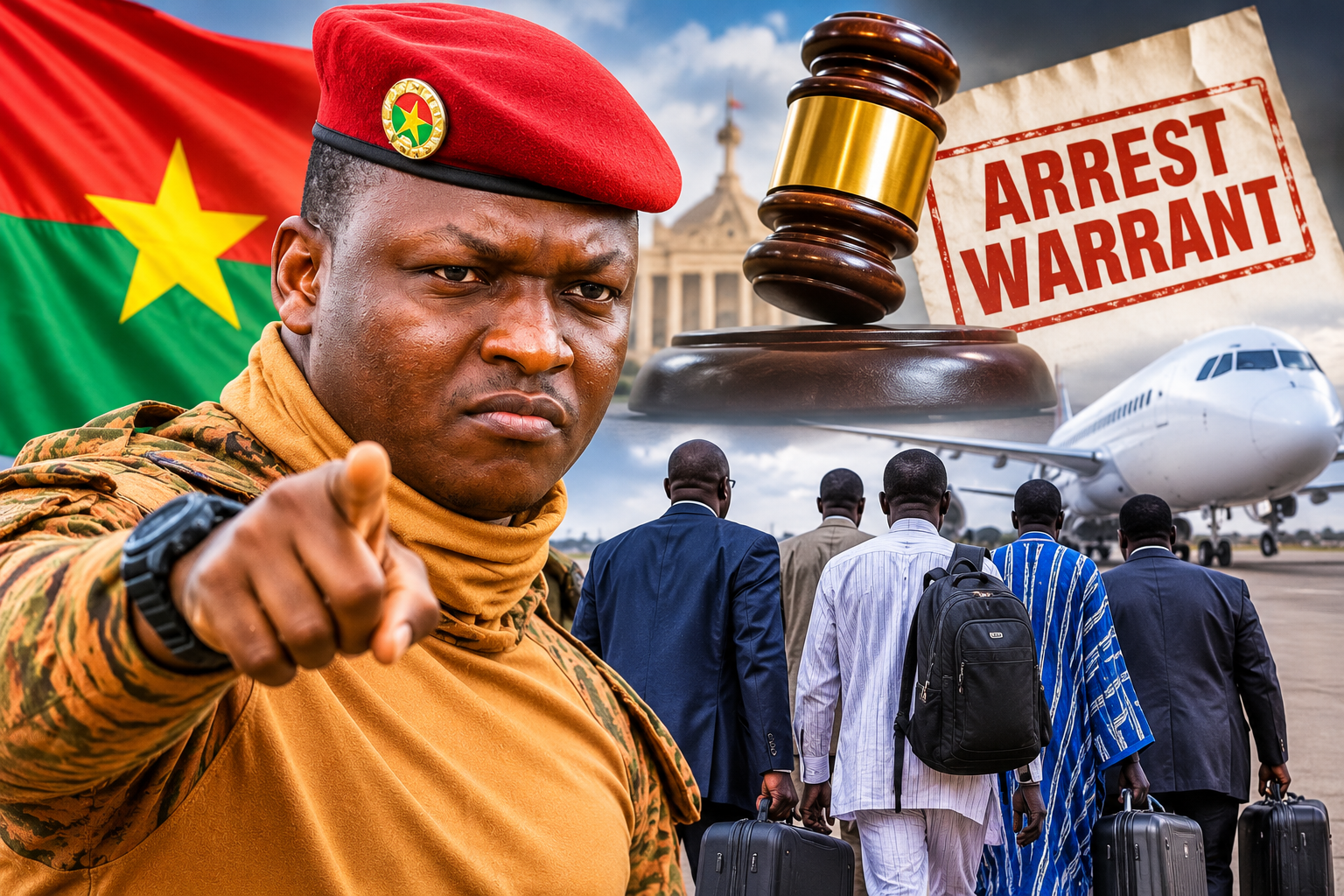
In Burkina Faso, the judicial pressure against former political leaders, military officials, and journalists has escalated into a disconcerting pattern. Individuals who fled the country amid political turmoil and security threats now find themselves targeted by transitional authorities through arrest warrants, legal proceedings, and extradition requests. While exile was once perceived as a safeguard, these figures now confront a relentless pursuit that extends far beyond the nation’s borders.
Exile as a false haven: the paradox of legal pursuit
The determination to prosecute critics outside its jurisdiction raises critical questions about the motives driving Burkina Faso’s leadership. For the targeted individuals whether former officials, military personnel, or journalists their departure was intended to shield them from persecution. Yet, the persistent legal actions suggest a deeper strategy, one that transcends mere judicial accountability. Are these measures a genuine effort to uphold the rule of law, or do they reflect a calculated attempt to silence dissent?
The thin line between justice and retribution
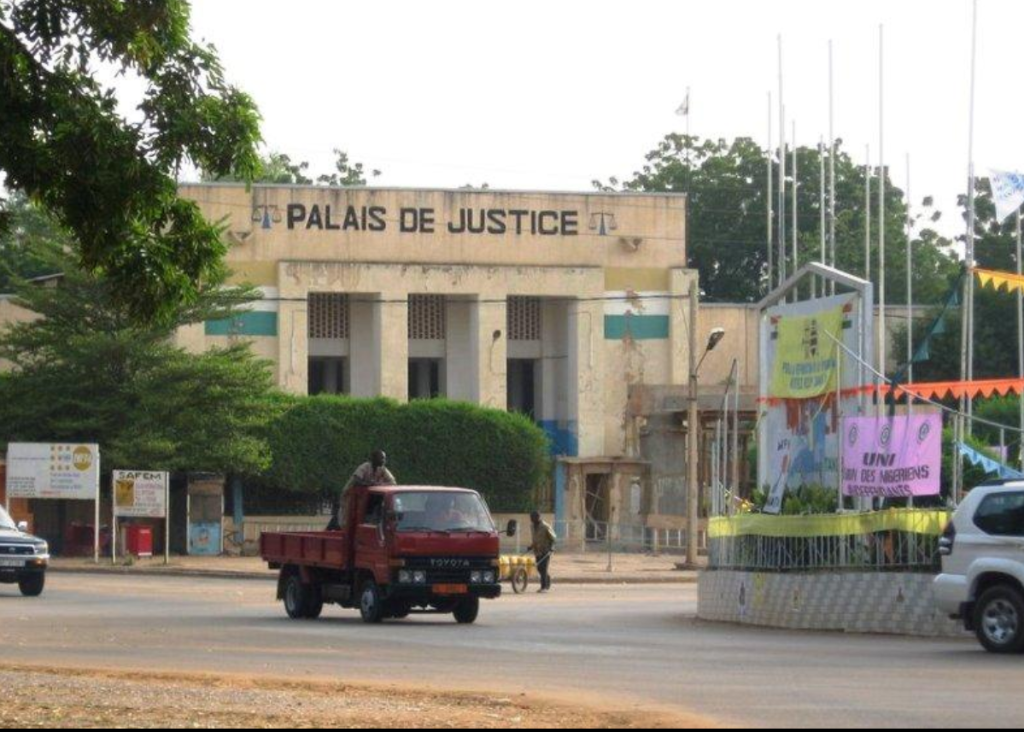
While no individual should be exempt from legal scrutiny, the circumstances surrounding these prosecutions warrant scrutiny. The pursuit of exiles demands verifiable evidence, adherence to due process, and impartiality conditions that appear increasingly tenuous. The justice system must not morph into an extension of political rivalry, where past allies are selectively prosecuted for their perceived allegiances.
Diplomatic and moral dilemmas of transnational justice
The act of pursuing critics in their host countries introduces complex legal and ethical considerations. Extradition requests, though legally permissible, must balance the principles of fair trial, human rights protections, and diplomatic norms. When a nation extends refuge to individuals fleeing persecution, the international community scrutinizes the motives behind such transnational judicial actions. Does Burkina Faso’s approach prioritize justice, or does it risk undermining the very values it claims to defend?
The political cost of an uncompromising stance
By targeting critics beyond its borders, Burkina Faso’s leadership risks sending a stark message about its tolerance for dissent. A government confident in its legitimacy should engage with opposition through debate and transparent governance not through the systematic dismantling of political adversaries. The pursuit of former figures, many of whom once held significant roles, fuels perceptions of an administration more preoccupied with control than progress.
This preoccupation with past adversaries diverts attention from the pressing challenges facing Burkina Faso: escalating insecurity, economic stagnation, and a deepening humanitarian crisis. Citizens deserve solutions to these crises, not a political culture steeped in retaliation.
Can Burkina Faso break the cycle of judicial confrontation?
The trajectory of these legal actions could redefine Burkina Faso’s path forward. If justice is to prevail, the authorities must demonstrate that prosecutions are rooted in concrete evidence, not political vendetta. Institutions must operate independently, free from the influence of transient power struggles. The true measure of a leader is not the number of opponents silenced, but the strength of institutions built to withstand scrutiny.
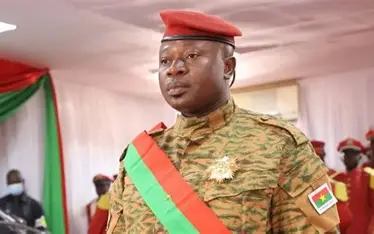
As Ibrahim Traoré navigates this pivotal moment, the international community and Burkina Faso’s citizens alike will watch closely. Will the judicial system serve as a pillar of fairness, or will it become a tool of perpetual political strife? The answer will shape the nation’s future for years to come.
By Thérèse Nguimfack — Journalist