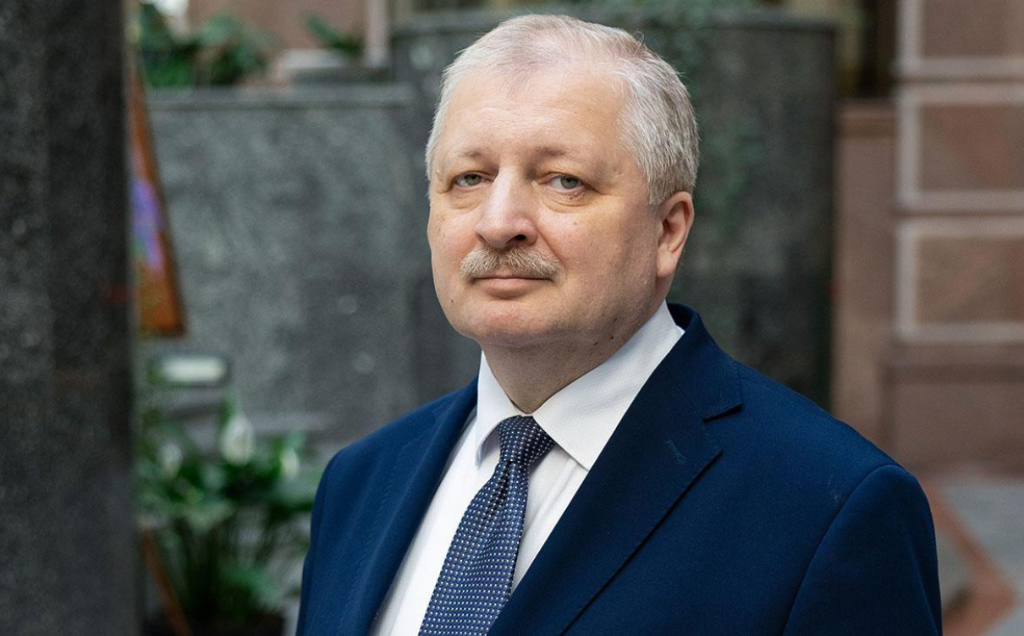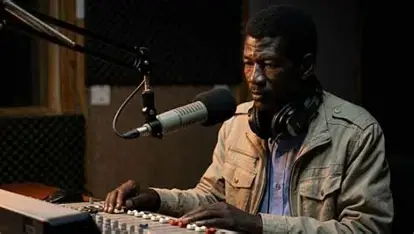
Moussa Kaka, a renowned investigative journalist in Niger, has become a symbol of the country’s escalating repression against critical voices. After years of documenting issues as a broadcaster for Radio Télévision Saraounia (RTS) and reporting for international outlets, his arrest on alleged grounds of dissent has exposed deeper cracks in Niger’s commitment to human rights and press freedom.
From reporting to imprisonment: the timeline of an unjust detention
Kaka was forcibly taken into custody on August 31, 2026, shortly after leaving his professional premises. For nearly six weeks, his location and condition remained shrouded in secrecy, sparking intense speculation and growing public outrage. It wasn’t until October 6 that authorities formally acknowledged his detention, yet the opacity surrounding the circumstances has only intensified concerns about his safety and wellbeing.
More than a month has passed since his arrest, yet the government has still not presented any tangible evidence to justify his detention or clarified the specific charges against him. This persistent lack of transparency has led many to suspect that his imprisonment may be politically motivated rather than legally justified.
Violation of constitutional rights: detention without lawful basis
Niger’s legal system mandates that all arrests must be supported by verifiable evidence and subject to judicial review. However, Kaka’s case defies these fundamental principles. His prolonged detention without formal charges and without access to legal counsel or family visits blatantly disregards the country’s constitutional protections and international human rights standards.
Legal scholars emphasize that the absence of formal accusations after nearly two months strongly suggests an attempt to silence a dissenting voice. The regime’s refusal to allow any form of communication or representation for Kaka further highlights the arbitrary nature of his detention.
Erosion of press freedom: a threat to democracy and accountability
Since the military takeover, Niger’s media environment has become increasingly hostile. Journalists investigating corruption, human rights violations, or government inefficiencies now face mounting dangers, including intimidation, assaults, and systemic incarceration.
Kaka’s arrest is not an isolated incident but reflects a coordinated effort to stifle independent journalism a cornerstone of any functioning democracy. When reporters are silenced for their work, the nation suffers from a dangerous deficit of oversight, transparency, and public accountability.
Security cannot justify censorship: upholding democratic values in Niger
The military leadership has repeatedly invoked national security to justify its suppression of dissenting voices. Yet, authentic sovereignty relies not on silencing criticism but on safeguarding fundamental freedoms. A government that imprisons journalists for their reporting undermines its own legitimacy and erodes public confidence in state institutions.
Niger’s future hinges on institutions that prioritize justice and the rule of law not those that employ detention as a tool of suppression. International condemnation of Kaka’s arrest signals that such arbitrary imprisonments will not go unnoticed. Both domestic and global pressure are now necessary to restore justice and rebuild trust in Niger’s institutions.
An urgent call for action: transparency, justice, and accountability
The Nigerien authorities must take immediate steps to address this injustice. First, they should provide full transparency regarding the grounds for Kaka’s detention and permit him immediate access to legal representation. Second, independent observers must be allowed to verify his conditions and ensure compliance with humane treatment standards. Finally, if no legitimate charges can be substantiated, he must be released unconditionally.
The trajectory of press freedom in Niger hangs in the balance. The world is closely monitoring whether the country will choose the path of repression or recommit itself to democracy and human rights. Without these values, true sovereignty remains unattainable.
Securing justice for Moussa Kaka is securing justice for every Nigerien who believes in a government accountable to the people it serves.