In a landmark decision that signals a turning point in the country’s fight against gender-based violence, Benin has moved to ratify the African Union’s Convention on the Elimination of Violence Against Women and Girls. The move, endorsed by Prime Minister Romuald Wadagni and his cabinet, represents a major shift in the nation’s legal and social approach to protecting women and girls from harm.
From political commitment to legal action
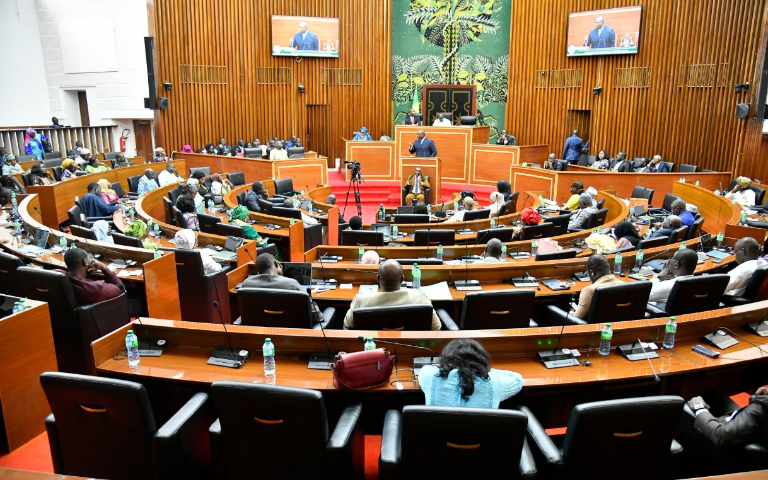
During a cabinet meeting on November 4, 2026, the government of Benin formally submitted the AU Convention to the National Assembly for ratification. This decision is part of a broader strategy to strengthen the country’s legal framework and align with continental standards aimed at ending all forms of violence against women and girls.
The initiative comes at a time when gender-based violence remains one of the most persistent challenges across African societies. Whether in private homes, public spaces, workplaces, or online environments, these violations inflict deep physical, psychological, and emotional harm on victims. By endorsing this Convention, Benin is taking a bold step toward building a more comprehensive system of prevention, protection, and accountability.
A modern framework for ending violence
The AU Convention, adopted in February 2025 in Addis Ababa, is a legally binding treaty designed to address a wide spectrum of violence. It goes beyond physical and sexual abuse to include psychological, emotional, verbal, and economic violence. Importantly, it also recognizes the growing threat of digital violence—harassment, threats, and online abuse—that can follow women and girls into every aspect of their lives.
One of the Convention’s most progressive features is its refusal to accept cultural, religious, or traditional justifications for violence. No custom or belief system should be used to excuse harm against women and girls. This principle reinforces the idea that human dignity and safety must always take precedence over outdated practices.
Building a society that protects, not excuses
While legal reforms lay the foundation for change, the Convention places equal emphasis on victim support and prevention. It calls for robust systems to identify at-risk individuals, provide medical and psychosocial care, and ensure survivors have access to justice. Prevention is not limited to law enforcement—it requires a cultural shift. Engaging men and boys in redefining positive masculinity is essential to breaking cycles of discrimination and violence.
From words to real change in Benin
For Benin, ratifying the Convention is more than a symbolic gesture. It is a strategic move to update national laws, improve coordination among institutions, and position the country as a leader in the fight for women’s rights in West Africa. The government has already initiated reforms to strengthen social services and survivor support networks, but the true test will be in effective implementation.
Speaking on behalf of the government, Minister of Family and Social Action Véronique Tognifodé emphasized that this step is just the beginning. “The submission of this Convention to the National Assembly marks an important milestone. We urge the deputies to support ratification so that Benin can fully commit to this vital instrument for women and girls,” she said. But she also stressed that institutional action must be matched by community-level change: “We must go further. Prevention, victim support, and attitude shifts—this is everyone’s responsibility.”
Why this moment matters
As the world prepares to observe the International Day for the Elimination of Violence Against Women on November 25—and the following 16 Days of Activism—the timing of Benin’s decision sends a powerful message: protecting women and girls is not just a moral duty, but a national priority.
Yet ratification alone will not end violence. The real challenge lies in translating legal promises into real-world security. Every woman and girl in Benin deserves to live free from fear, abuse, and discrimination. This Convention is not just a document—it is a promise to make that freedom a reality.