Diplomatic pivot shakes up Ouagadougou’s financial strategy
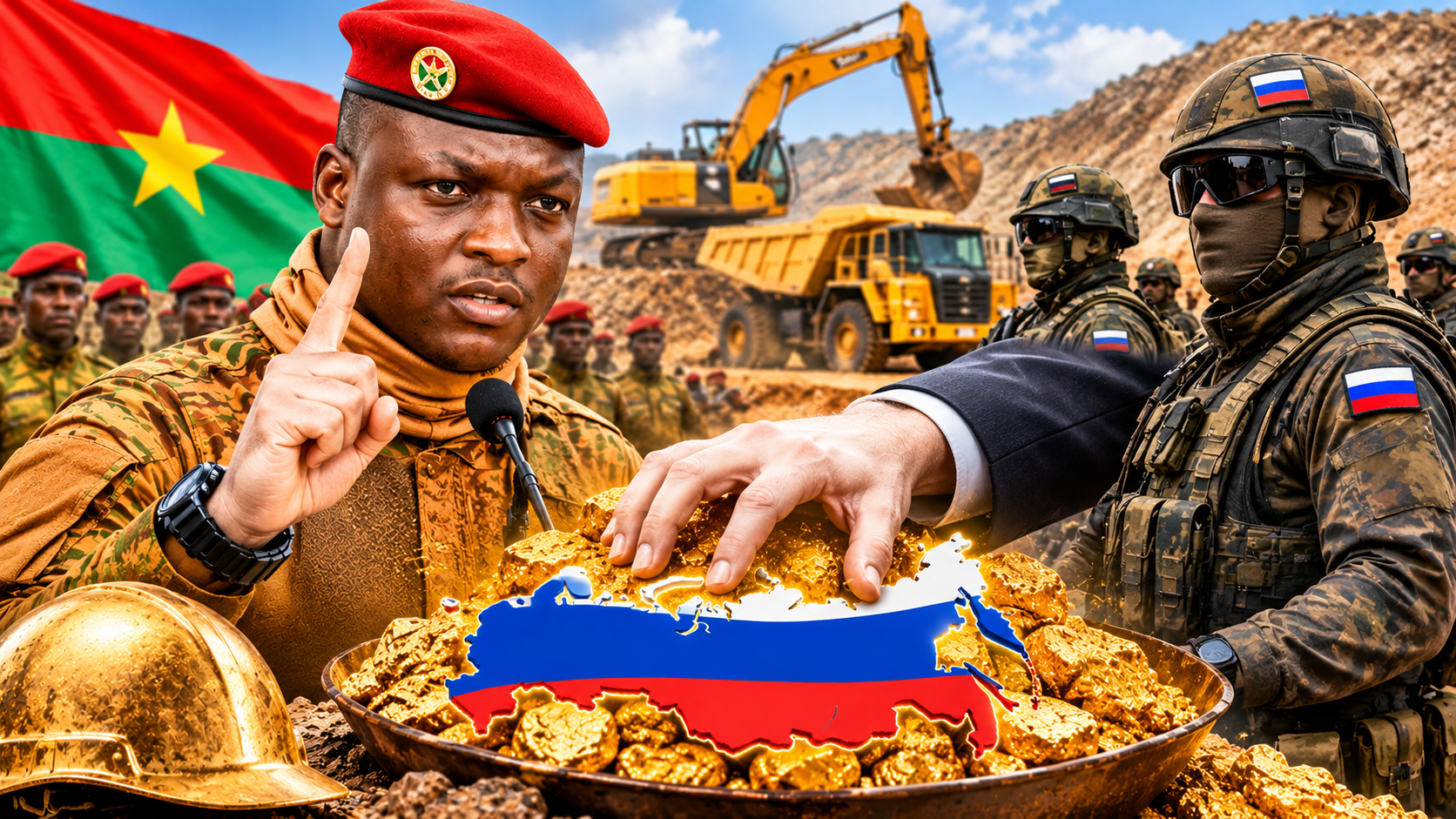
After years of public denunciation of Western partners and heavy reliance on promises from Moscow, Burkina Faso’s military leadership is quietly turning back to Brussels for urgent financial support. The shift marks a turning point for the Traoré administration, which had positioned Russia as the country’s economic and security successor to Europe. Yet concrete results from the Russian partnership remain elusive, while European funding is now being actively negotiated.
From Moscow’s summit to Brussels’ conference table
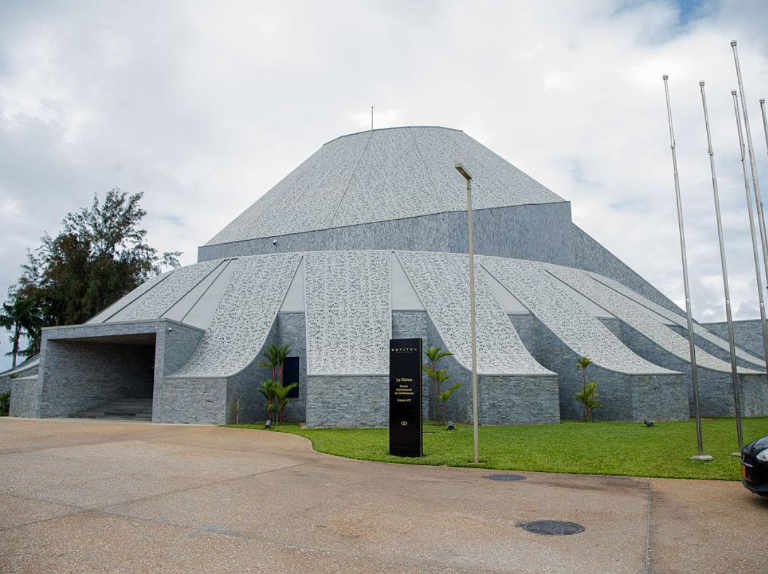
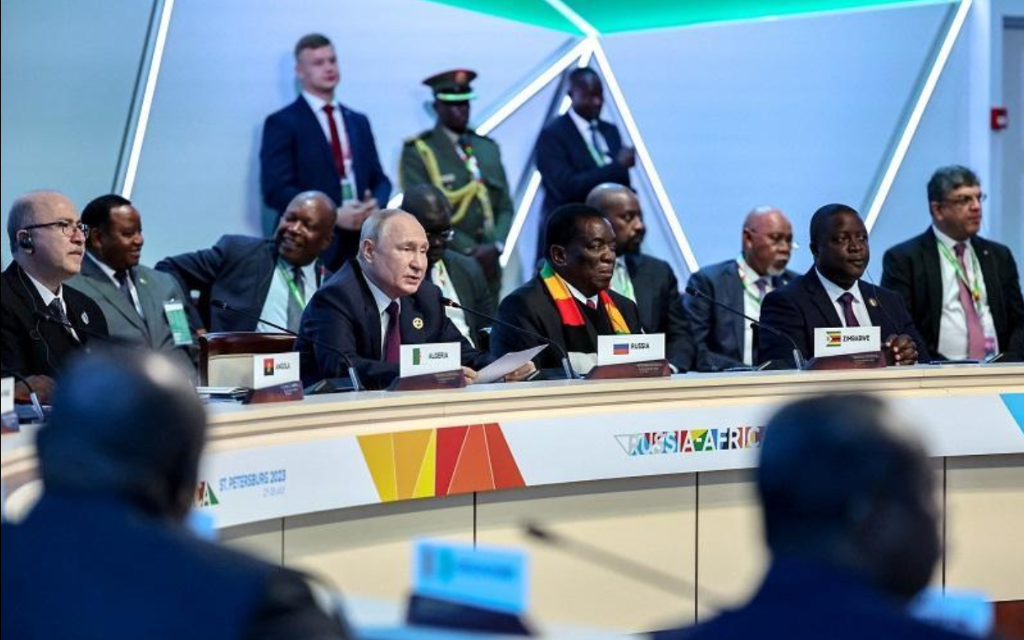
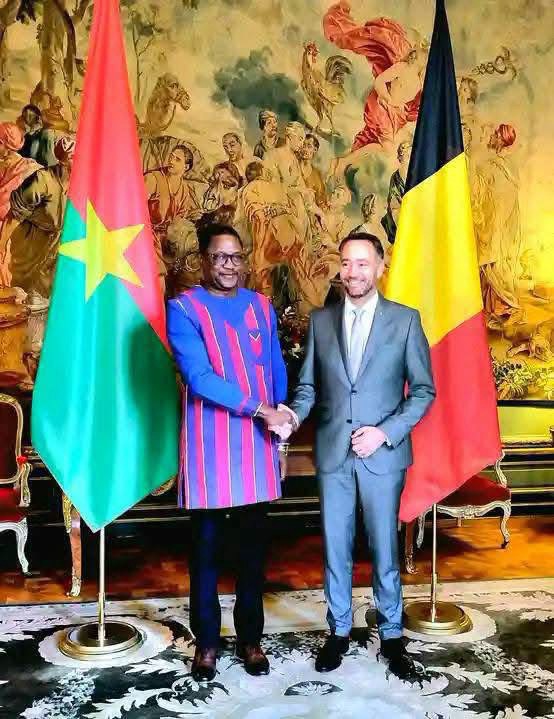
Just weeks after Burkina Faso participated in the Russia-Africa Economic and Humanitarian Forum in Moscow with high expectations, Foreign Minister Karamoko Jean Marie Traoré embarked on a rare diplomatic mission to Brussels. The visit spanning November 4 and 5, 2026 culminated in a firm commitment from Belgium to provide €40 million in development aid starting after 2027, channeled through Belgium’s international cooperation agency, Enabel.
The funding announcement underscores a growing reality: despite anti-Western rhetoric, Ouagadougou continues to rely on European partners to bridge critical financial gaps. The timing of the diplomatic flurry also reveals a stark contrast between political messaging and economic necessity.
Moscow’s promises vs. Burkina Faso’s financial urgency
The transition government has long framed Russia as the antidote to Burkina Faso’s dependence on Europe, promising new investments in security, infrastructure, and social services. During the Moscow forum, a memorandum of understanding was signed between the Economic Community of West African States (ECOWAS) Confederal Investment and Development Bank and Russia’s VEB.RF bank. Yet such agreements, while symbolic, do not automatically translate into immediate funding.
The country faces a daunting financial landscape. The 2026 budget projects FCFA 3.4 trillion in revenue against FCFA 3.9 trillion in spending a projected deficit of nearly FCFA 487 billion. The International Monetary Fund forecasts a budget deficit of 4% of GDP for 2026. These numbers reflect structural pressures that demand consistent external support, regardless of ideological posturing.
While Russia’s role was hailed as a potential game-changer, tangible financial contributions from Moscow have yet to materialize at the scale needed to fill Burkina Faso’s funding gap. This raises a pressing question: can Ouagadougou realistically finance its security, social, and infrastructure priorities without its traditional Western partners?
Belgium and the EU step into the breach
The Brussels visit extended beyond bilateral talks with Belgium. The Burkinabè delegation engaged with European Commission officials and operational cooperation bodies like Enabel and Bio Invest, signaling a broader return to engagement with Brussels. While no new EU-wide funding packages were announced during the visit, the resumption of high-level dialogue reflects a pragmatic acknowledgment of Europe’s enduring financial role.
This shift is not isolated. It follows a pattern observed across the Sahel, where anti-Western rhetoric often coexists with unbroken dependency on European development aid. The contradiction is increasingly visible: how can a government declare strategic autonomy while actively seeking cooperation with former partners?
The sovereignty paradox: action over rhetoric
The central tension lies not in Burkina Faso’s engagement with Brussels or even Moscow, but in the mismatch between public discourse and real-world economic strategy. Sovereignty, in this context, cannot be built on anti-Western slogans alone. It requires tangible financing, investable projects, and developmental outcomes that improve lives.
The Traoré administration faces growing expectations from Burkinabè citizens. While the government is free to pursue ties with any partner, it must also justify why decades of cooperation with Europe are being publicly repudiated even as Brussels remains a key source of funding. The people of Burkina Faso deserve clarity: which partnerships are delivering real results?
As financial realities take precedence over political messaging, Ouagadougou’s next challenge is clear. It must move beyond symbolic agreements and showcase measurable progress whether from Moscow or Brussels to prove that its development ambitions are rooted in substance, not speeches.
What’s next for Burkina Faso’s international partnerships?
The coming months will reveal whether the momentum toward Brussels can gather pace. With the IMF and budget pressures tightening, the government’s ability to balance ideological positioning with urgent financial needs will be tested. One thing is certain: in a world where development funding rarely aligns with political convenience, Burkina Faso’s leaders must deliver more than promises they must deliver progress.
By François Mvondo — Journalist