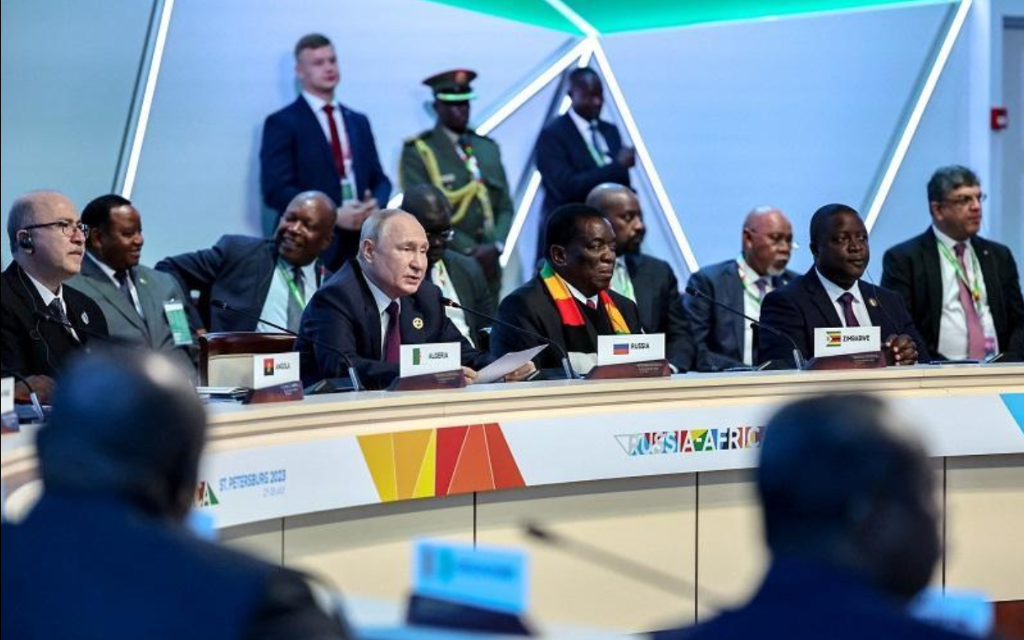
The third Russia-Africa summit in Moscow on October 28-29, 2026, has become a defining moment for the Alliance of Sahel States (AES), with Mali’s leader Assimi Goïta arriving as the only confirmed head of state from the region. Meanwhile, the anticipated appearances of Niger’s Abdourahamane Tiani and Burkina Faso’s Ibrahim Traoré remain shrouded in uncertainty, signaling potential shifts in Sahel diplomacy.
Goïta’s solo presence redefines Sahel representation
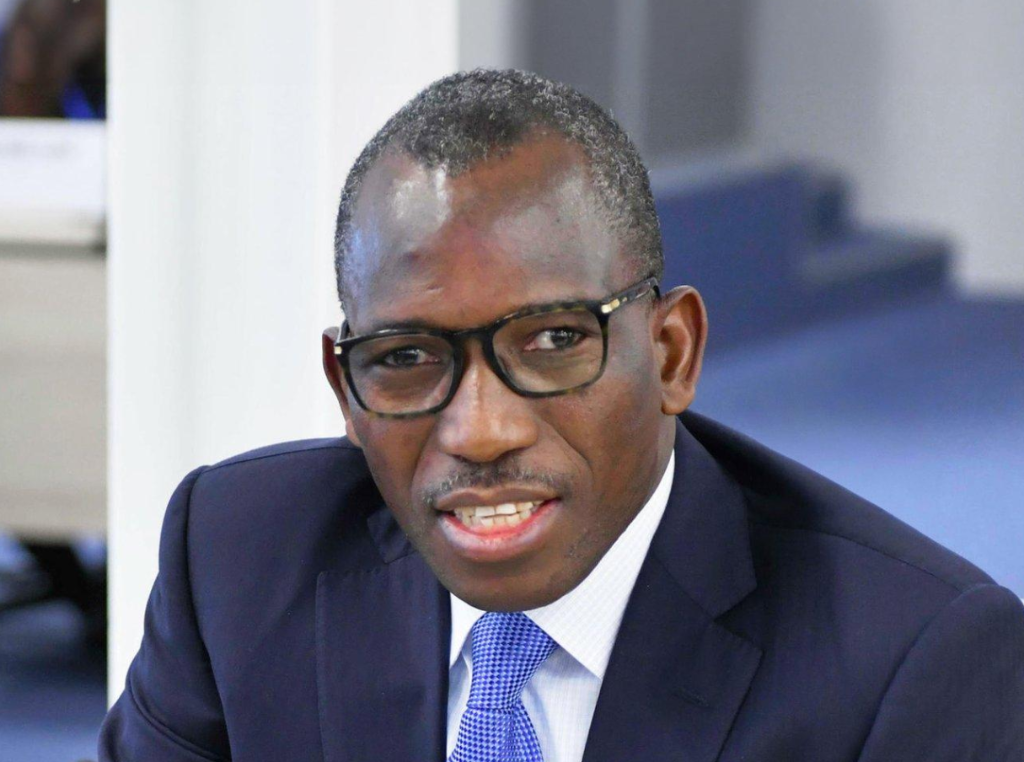
From the moment he landed in Moscow on October 26, General Goïta positioned himself as the sole unmistakable face of the AES at the summit. His arrival, confirmed by multiple sources, included a high-profile reception and a scheduled meeting with Russian President Vladimir Putin, underscoring Mali’s growing diplomatic influence.
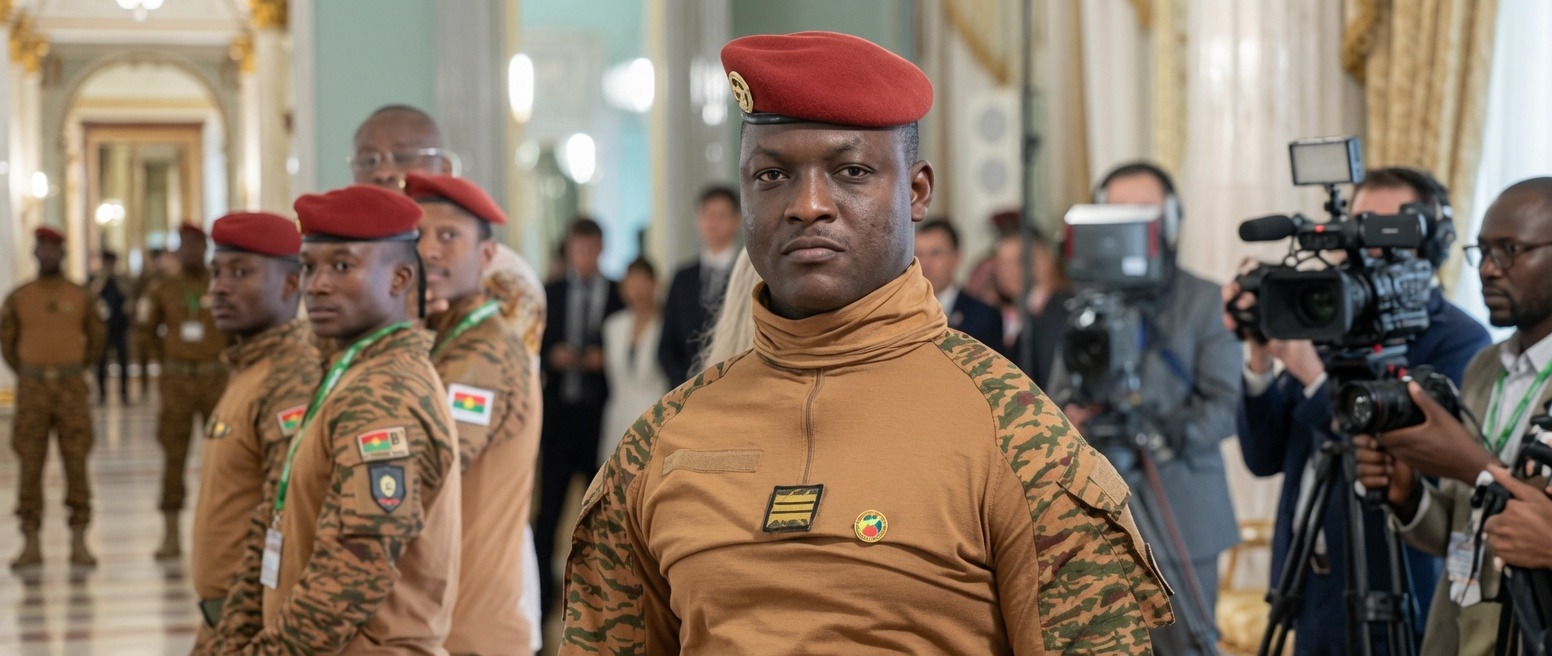
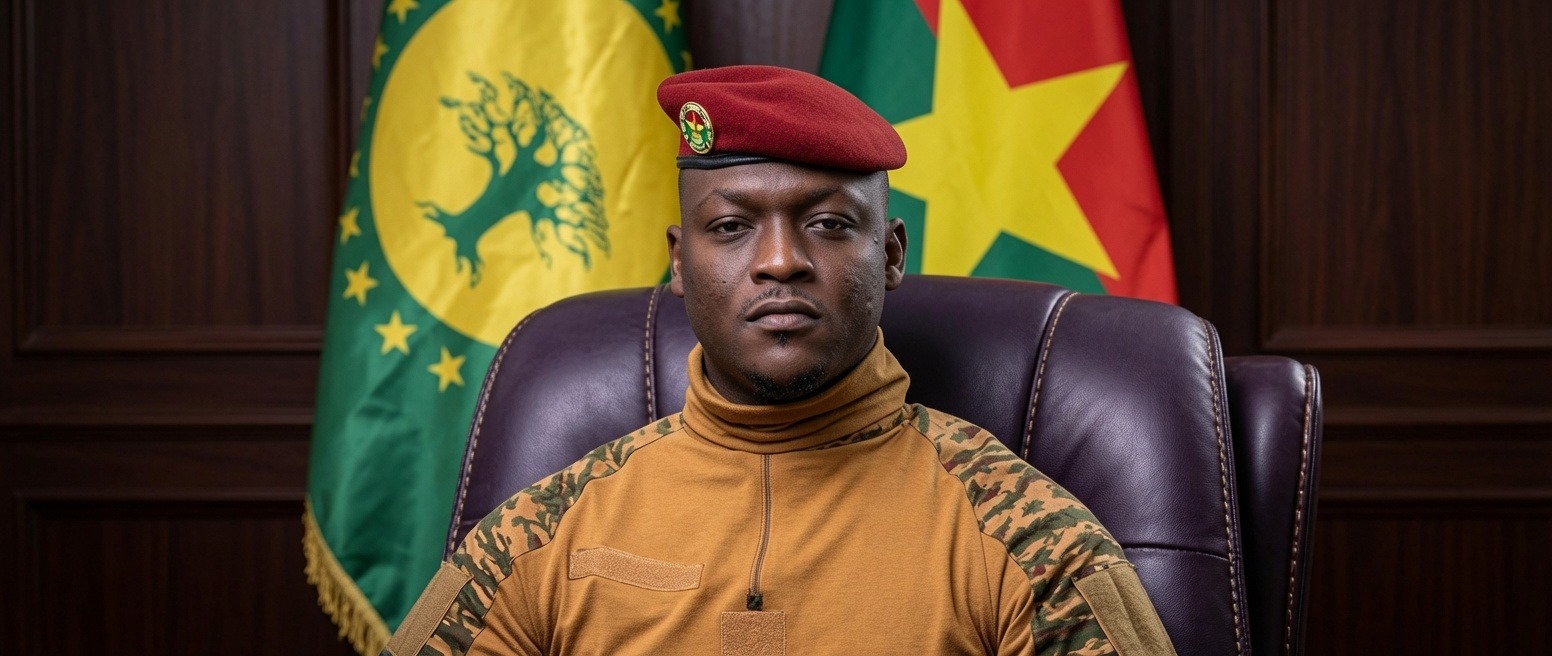
In contrast, Burkina Faso’s leadership sent its Prime Minister Rimtalba Jean Emmanuel Ouédraogo in a clear departure from earlier announcements that had suggested Ibrahim Traoré’s personal attendance. While Ouagadougou’s participation remains intact, the absence of its head of state raises questions about the junta’s commitment to high-level engagement.
The situation in Niamey remains the most ambiguous. Though Russian authorities had officially indicated Abdourahamane Tiani’s attendance, no verifiable confirmation of his arrival had been issued by October 28. Until an official statement is released, the validity of his participation remains speculative.
Regional players broaden the diplomatic landscape
The Moscow gathering has evolved into a global forum, attracting 48 African nations—22 represented by their heads of state—according to Kremlin advisor Iouri Ushakov. Beyond the AES, dignitaries such as Burundi’s Évariste Ndayishimiye (current African Union chair), Zimbabwe’s Emmerson Mnangagwa, and Mozambique’s Daniel Chapo have lent the event unprecedented continental weight.
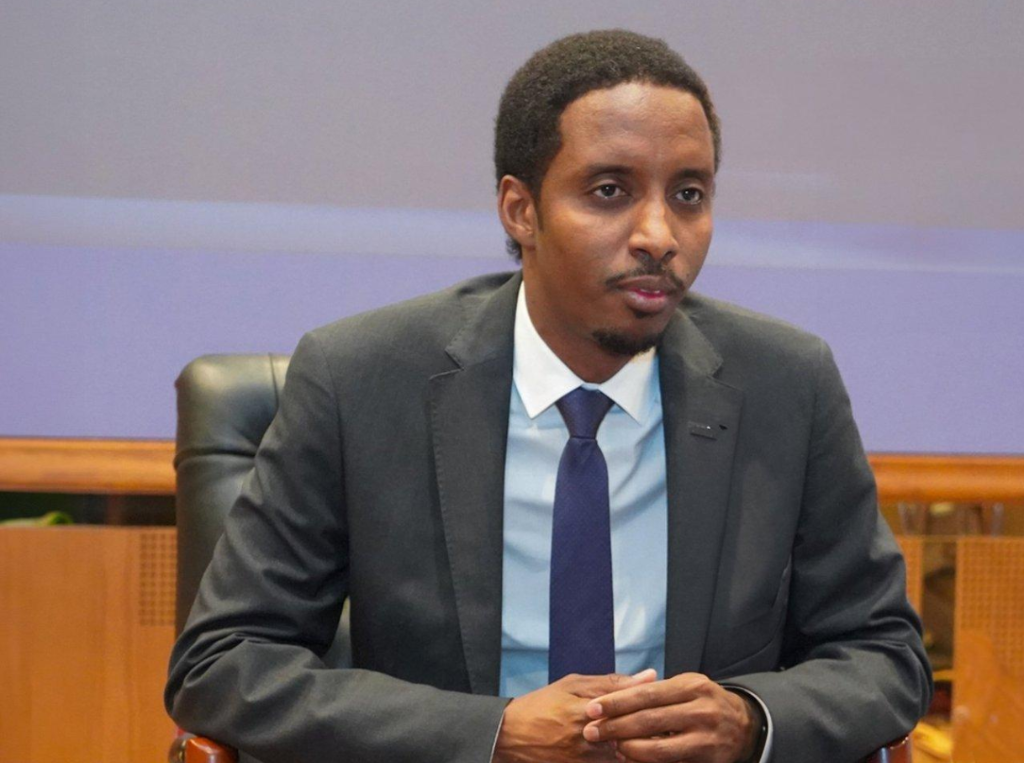
Other nations opted for high-level representation without top-tier attendance: Algeria sent its Prime Minister Sifi Ghrieb, Benin’s delegation was led by Vice President Mariam Chabi Talata, and Rwanda’s Prime Minister Justin Nsengiyumva stood in for Paul Kagame. These choices reflect strategic decisions about visibility versus practical participation.
Six nations remain unaccounted for
Six African countries appear absent from the Kremlin’s participation list, though their motivations vary. Some may be represented through lower-level delegations, while others may have chosen to abstain entirely. The lack of public confirmation makes it difficult to assess whether these absences stem from political disagreement or logistical constraints.
What’s at stake beyond the photo opportunities
The summit’s success will ultimately hinge on tangible outcomes: trade agreements, energy partnerships, agricultural investments, and security protocols. Moscow has already outlined a 2027-2029 cooperation program, positioning itself as a long-term partner for African nations seeking alternatives to Western influence.
For Sahel leaders, the diplomatic optics matter, but the real test will be whether the AES can convert visibility into concrete benefits. Goïta’s solo show of force in Moscow may signal a new chapter for Mali’s regional leadership—but the question lingers: can the alliance hold together when some of its key members are missing in action?