The Togolese government’s push to revitalize political dialogue has hit a critical turning point, with four opposition coalitions issuing a firm rejection and demanding a systemic transition instead. The move underscores a widening gap between official narratives and opposition ambitions, threatening to reshape the country’s democratic trajectory.
Opposition unites in refusal of government-led talks
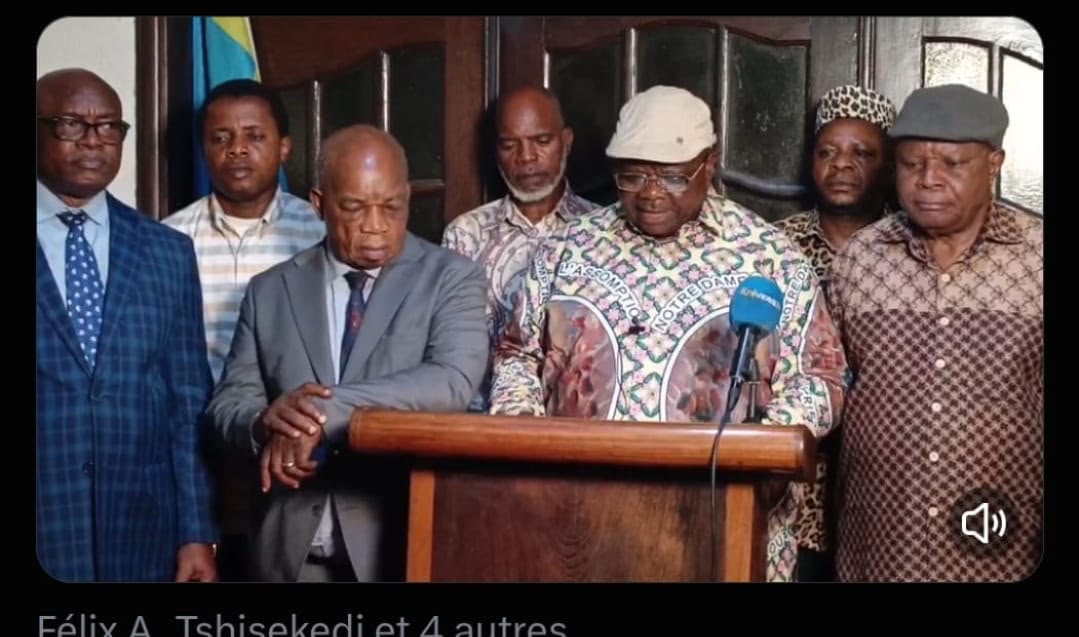
On October 15, 2026, four leading opposition groups—the Dynamique Monseigneur Kpodzro (DMK), Dynamique pour la majorité du peuple (DMP), Lumière pour le Développement dans la Paix (LDP), and Touche Pas À Ma Constitution—collectively dismissed an invitation to engage in political consultations led by the government. Their unified stance, anchored in the Manifeste Génération Togo, frames the proposed dialogue as a “deliberate distraction” from deeper institutional flaws.
The case for a political reset
These coalitions argue that the current framework fails to address the root causes of Togo’s political crisis, particularly the contentious 2024 constitutional reforms and a landmark ruling by the ECOWAS Court of Justice. Instead, they advocate for a sweeping transition process, followed by nationwide consultations aimed at rebuilding democratic institutions from the ground up.
Constitutional reforms fuel deep-seated disputes
The 2024 constitutional changes, which shifted Togo’s governance structure to a parliamentary system and redefined presidential powers, remain a lightning rod for opposition criticism. Critics question the legitimacy of the process and the resulting institutions, viewing them as “imposed without inclusive consensus.”
The opposition also points to the ECOWAS Court’s January 29, 2026 decision as a mandate for bolder reforms. While the judgment’s legal specifics are open to interpretation, they insist it demands “institutional restructuring beyond superficial dialogue.” Their demands extend to involving regional bodies like the African Union’s Peace and Security Council, signaling a strategy beyond domestic negotiations.
Government defends incremental engagement
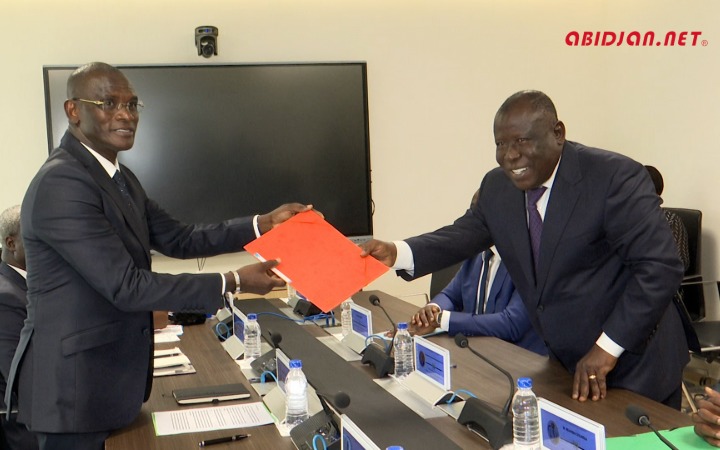
The administration, led by Minister Gilbert Bawara, counters that the existing Permanent Consultation Framework (CPC) is the most viable path to compromise. Speaking on October 12, 2026, Bawara emphasized that political dialogue should be a “shared responsibility,” urging opposition parties to participate in national discussions rather than stonewalling.
His position underscores a fundamental divide: while the government prioritizes incremental reform through existing structures, the opposition insists on dismantling and rebuilding these structures first. This impasse threatens to derail years of fragile democratic progress.
Fractures in the opposition’s strategy
Not all opposition factions share this rigid rejection. Some parties, though critical of the government’s approach, might still engage in talks under specific conditions. However, the four coalition’s firm stance risks marginalizing dissenting voices and deepening political fragmentation.
Looming consequences of a stalled process
The opposition has called for a “Patriotic Warning Day” on November 20, 2026, signaling a potential escalation in civil mobilization. Analysts warn that prolonged inaction could exacerbate instability, deterring investment and straining national cohesion.
A moment of reckoning for Togo’s democracy
The current stalemate transcends procedural disagreements—it reflects a deeper crisis of legitimacy. The government’s call for dialogue clashes with the opposition’s demand for systemic change, leaving Togo at a crossroads. The outcome will hinge on whether actors can compromise on process or whether the nation faces a prolonged period of political limbo.
For now, the path forward remains uncertain. Can Togo reconcile its fractured institutions, or will the divide widen into an irreversible chasm?