Niger is at a critical turning point in its ongoing fuel crisis as the government rolls out sweeping new measures to rein in rampant shortages. Starting October 19, 2026, a joint directive from the ministries of Interior, Petroleum, and Commerce enforces nighttime closures at fuel stations and bans the sale of gasoline in jerrycans and unofficial containers. While framed as a temporary fix to restore order, the policy has exposed deep fractures within the nation’s fuel supply chain and placed an immediate burden on ordinary Nigeriens.
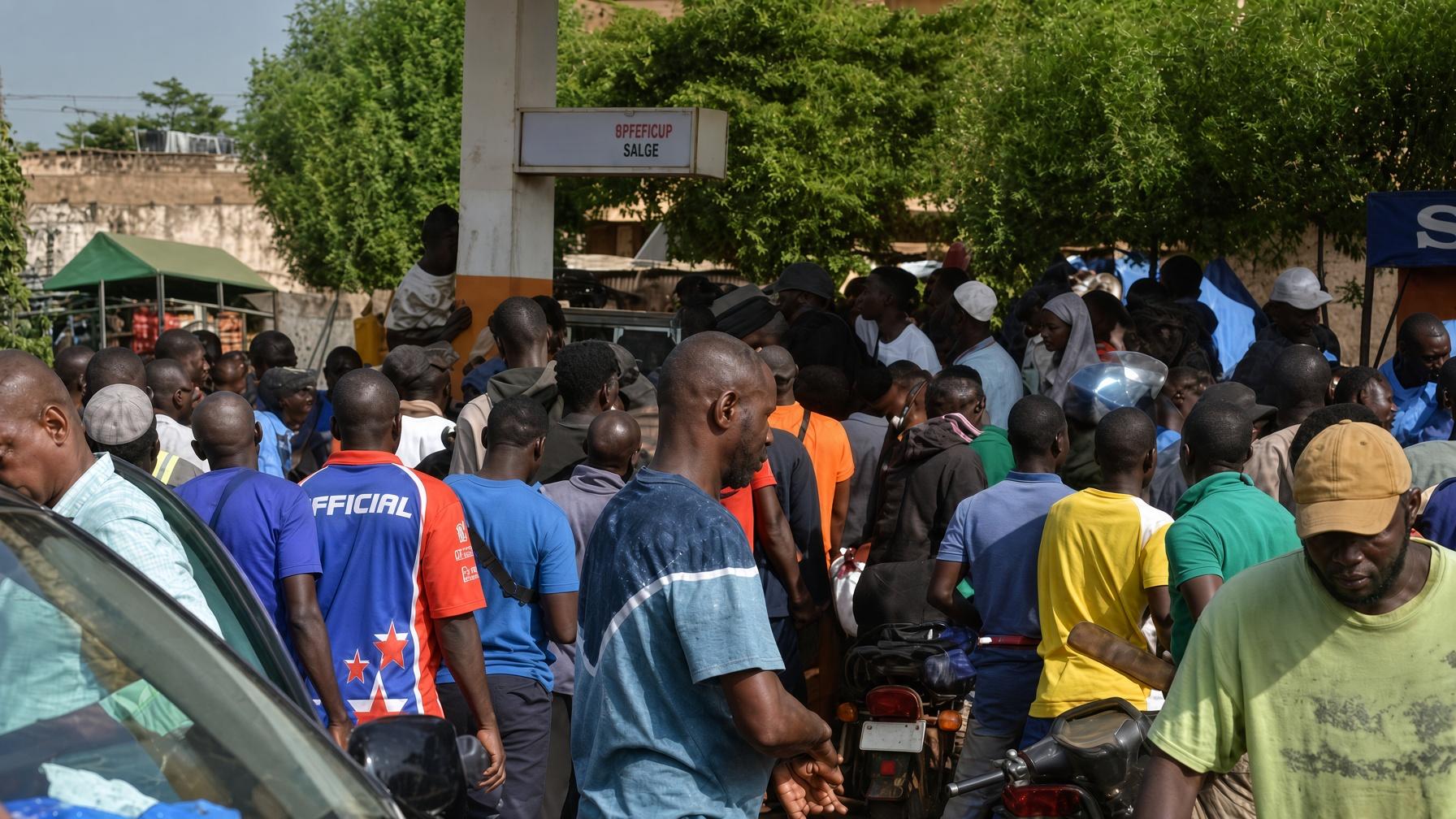
Government leaders defend the curfew as a necessary shock to the system—one that will allegedly streamline deliveries by allowing tanker trucks more daytime access to depots. Yet the move risks creating new bottlenecks during peak hours, triggering longer lines at pumps and fueling frustration among drivers already stretched thin by inconsistent supply.
Behind the curtain: what the overnight fuel curb really means
The nighttime pump closure, in effect from 9 PM to 6 AM, is being billed as a strategic pause to ease logistics for the Niger National Petroleum Company (SONIDEP). But behind the official narrative lies a more complex picture: a supply system struggling under the weight of outdated infrastructure, strained imports, and regional logistics disruptions.
The government has promised to designate a limited number of emergency stations per municipality to handle critical needs. However, details about staffing, capacity, and accessibility remain scant, leaving many to question whether these designated sites will be sufficient or merely symbolic.
Crackdown on jerrycan trade: punishing informal supply or ignoring real demand?
The ban on jerrycan sales targets what authorities call the “artificial scarcity” fueled by unregulated vendors. While the move aims to curb black market profiteering, it overlooks a harsh reality: in many areas, informal sellers are not exploiting the crisis—they’re filling a gap created by the official system’s inability to deliver fuel consistently. By criminalizing these small traders and deploying security forces to enforce the ban, the government shifts blame onto marginal actors instead of addressing systemic supply failures.
For countless households and small businesses outside major cities, jerrycans are not a luxury—they’re a lifeline. With long lines and erratic availability at pumps, the immediate impact of the ban is clear: ordinary Nigeriens now face greater uncertainty and inconvenience. Rather than fostering trust in the system, the crackdown risks deepening discontent and pushing prices even higher through unregulated channels.
Public patience put to the test: short-term pain or long-term relief?
Crafted in collaboration with SONIDEP, Niamey governance, and local authorities, the emergency plan is sold as a stopgap—yet its long-term viability remains questionable. Officials call for “civic responsibility” and “discipline,” asking citizens to adapt to a failing distribution network rather than demanding structural reform.
Without meaningful upgrades to storage capacity, import efficiency, or transparent rationing policies, these restrictions may become part of daily life—not a solution. The crackdown on jerrycans, too, appears more like damage control than real reform, failing to tackle the root causes of scarcity: unreliable logistics, limited refining capacity, and regional fuel trafficking.
What’s next for Niger’s energy future?
While the government frames these measures as bold and decisive, the reality unfolding in garages and streets tells a different story. Nigeriens are being asked to endure more queues, less flexibility, and greater uncertainty—all under the guise of restoring order. Whether this turning point will lead to sustainable relief or prolonged hardship remains uncertain. One thing is clear: without deeper systemic change, the country’s fuel crisis will continue to test the patience and resilience of its people.