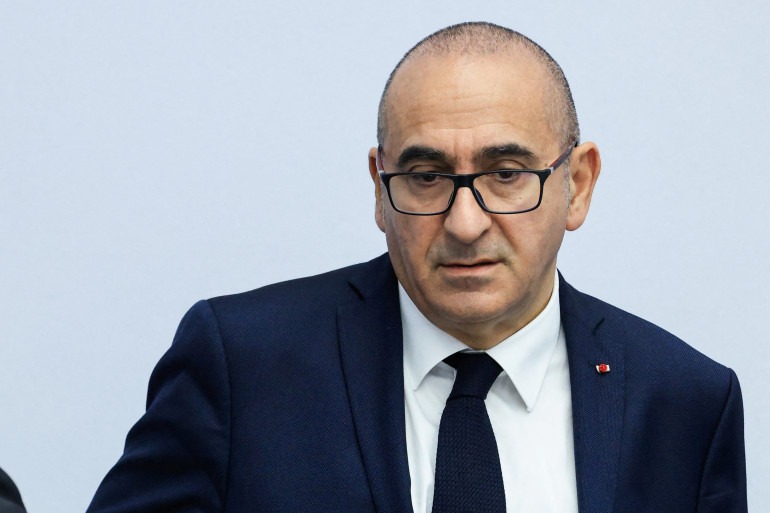
As France grapples with another wave of urban unrest, the streets have become battlegrounds of unrestrained violence and destruction. With businesses looted, barricades erected, and clashes erupting across major cities, the political and security landscape is at a breaking point. In a decisive move to restore authority, President Emmanuel Macron has rejected Interior Minister Laurent Nuñez’s resignation, signaling a major turning point in the country’s security strategy.
Rejection of resignation heralds a new security doctrine
In a bold statement that underscores the gravity of the situation, Emmanuel Macron has chosen continuity over resignation. By refusing Laurent Nuñez’s offer to step down, the president has signaled that the crisis demands decisive leadership rather than retreat. This decision, announced following a weekend of unprecedented unrest, reflects a resolve to maintain firm control during one of the most volatile moments in recent history.
A statement from the Élysée Palace emphasized the need for unwavering stability: “In the midst of this critical period, maintaining the chain of command is essential to safeguarding the integrity of our security apparatus.”
Radical overhaul of policing strategies in the spotlight
While Laurent Nuñez retains his position, his mandate has been reshaped by urgent demands for transformation. President Macron has tasked him with implementing sweeping changes to police intervention tactics, aiming to replace reactive measures with proactive, high-impact responses. The goal is clear: dismantle the operational failures that have allowed violence to escalate unchecked.
The new directives include:
- Immediate dismantling of barricades to prevent the entrenchment of unrest in urban areas;
- Preemptive strikes against looters to protect public and private property;
- Zero-tolerance enforcement against groups instigating violence, with a focus on disrupting their organizational capacity.
These measures mark a stark departure from past approaches, signaling a commitment to decisive action over hesitation.
The intelligence gap: uncovering the roots of failure
Behind the operational overhaul lies a critical investigation into the intelligence failures that allowed the unrest to spiral out of control. President Macron has ordered a thorough review of pre-event intelligence gathering and analysis, demanding accountability for systemic gaps that permitted the violence to reach unprecedented levels.
The Élysée has made it clear that transparency will be non-negotiable: “The state must learn from these mistakes and ensure that no such breakdown occurs again.” Laurent Nuñez now faces the dual challenge of implementing structural reforms while restoring public trust in the government’s ability to protect citizens.
Public scrutiny and the path forward
With public opinion sharply divided and political pressure mounting, the coming weeks will test the government’s resolve. The streets may remain tense, but the message from the Élysée is unmistakable: the era of half-measures in security policy is over. Whether these reforms will quell the unrest or fuel further backlash remains to be seen—but one thing is certain, France is entering a new chapter in its approach to maintaining law and order.