Niamey’s energy breakdown exposes systemic failure as petrol shortages paralyze daily life
The capital of Niger is now the epicenter of a national fuel catastrophe that has transformed once-manageable shortages into a full-blown economic meltdown. In Niamey, the rhythm of life has been hijacked by empty pumps, frantic motorists, and the suffocating reality that gasoline—a lifeline for transport, trade, and survival—has become a luxury few can afford. What began as sporadic scarcity has escalated into a structural crisis, revealing a state machinery incapable of securing a basic resource essential for progress.
The collapse of public trust: when rationing fuels desperation, not solutions
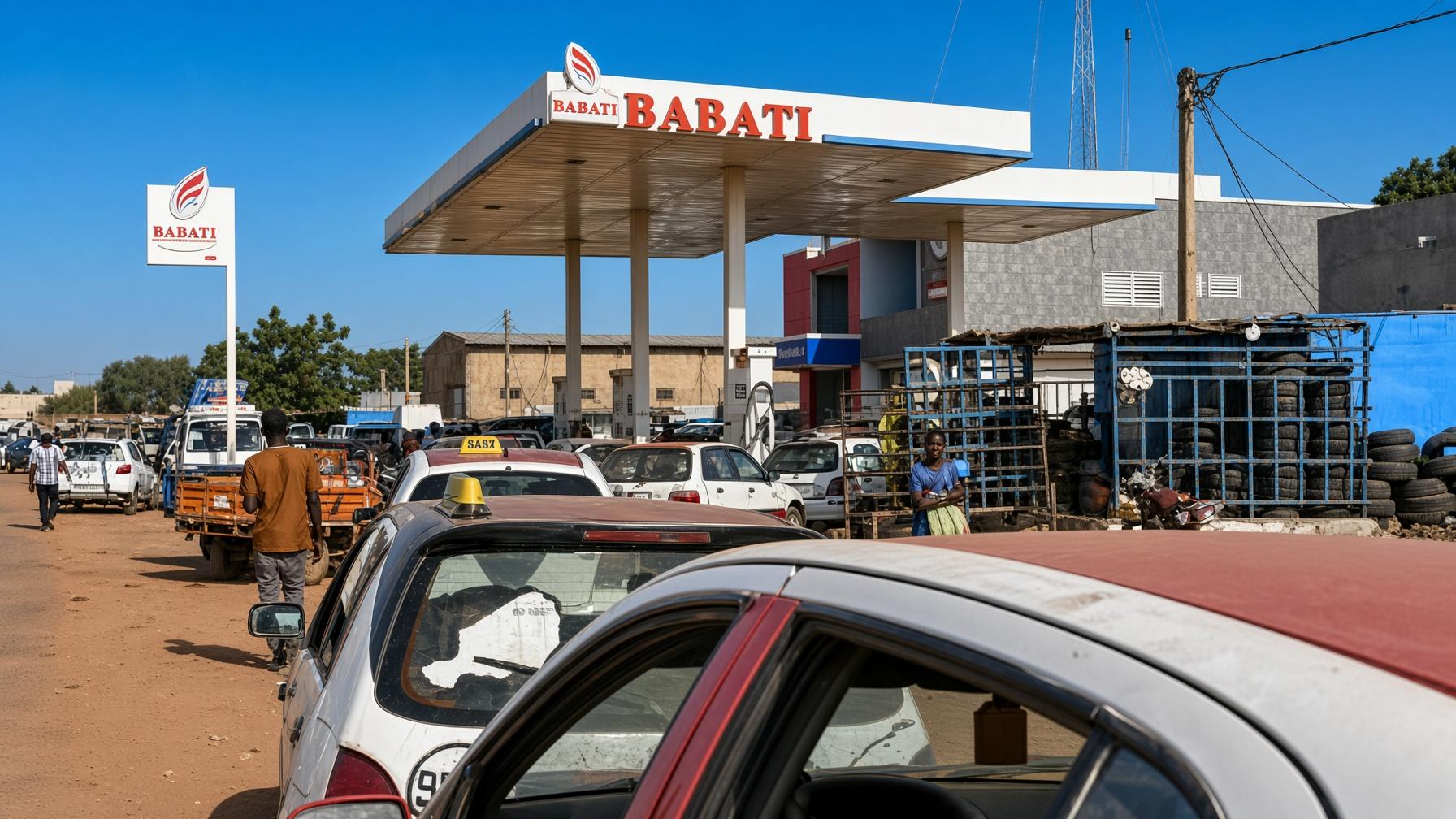
Faced with dwindling supplies and soaring demand, authorities have resorted to desperate measures that only deepen the chaos. The Ministry of Commerce’s recent decision to publish a sporadic list of “still-functional” gas stations backfired spectacularly, turning isolated outlets into magnets for desperate crowds. The result? Longer queues, higher tensions, and a complete abandonment of any semblance of orderly distribution. This is not governance—it’s a surrender to disorder, a crisis management strategy that shifts suffering from one neighborhood to another without addressing the root cause.
The breakdown extends far beyond wasted time. Petrol is the blood of Niamey’s economy: it powers public transport, delivers food to markets, and keeps small businesses alive. When fuel becomes scarce, everything slows down. Transport operators are forced to cancel routes or charge brutal surcharges, crippling commuters and small traders alike. In response, an unregulated black market has flourished—vendors peddling adulterated fuel at inflated prices, turning a public service into a predatory trap.
Structural deficit: the reckoning of failed planning and broken promises
Amidst official rhetoric praising “energy sovereignty,” Niger’s fuel crisis exposes a glaring reality: the country’s sole refinery, Soraz in Zinder, operates far below capacity and cannot meet national demand. Official data released in late 2026 revealed a staggering shortfall—196.62 million liters of gasoline and 52.60 million liters of diesel—over just eight months. These admissions confirm what citizens already knew: this is not a temporary glitch, but a chronic imbalance born of years of unaddressed dysfunction.
The crisis has been compounded by Nigeria’s recent decision to end fuel subsidies, abruptly cutting off the flow of cheaper, smuggled petrol that had partially masked Niger’s supply deficiencies. While this shift was anticipated, the government failed to prepare. With the Soraz refinery’s gasoline capacity capped at 20,000 barrels per day—and prioritizing diesel—Niger has been left scrambling to import costly fuel at the worst possible time, deepening its dependency and financial strain.
Abandoned to chaos: the absence of strategy and the rise of opacity
Emergency rationing and selective distribution lists are not policies—they are acknowledgments of failure. Instead of stabilizing the market, these measures merely relocate chaos, leaving citizens in a state of perpetual uncertainty. When asked for transparency on stock levels and distribution schedules, the government resorts to silence, breeding rumors and panic. Worse, when allegations of mismanagement or fraud arise, officials dismiss them without evidence, further eroding public confidence.
Transparency is the first casualty of incompetence. The public deserve clarity on import volumes, refining capacities, and allocation priorities. Yet the Ministry of Petroleum has offered neither substance nor accountability, deepening the distrust that now governs daily life in Niamey.
Who really pays the price of state failure?
The brunt of the crisis is borne by ordinary Nigeriens. Drivers waste entire days in queues. Motorcycle taxi drivers take on crippling debt to buy fuel from illicit vendors. Small businesses idle as transport costs spiral. And if this paralysis persists, the ripple effect will be catastrophic: rising transport prices will ignite uncontrollable inflation on essential goods, pushing more families into hardship.
The emergence of the informal fuel market is no solution—it is a symptom of state collapse. By abdicating responsibility for distribution, authorities have allowed profiteers to thrive, exposing citizens not only to financial scams but to engine damage and health hazards. This is not resilience; it is surrender. A government that cannot guarantee access to basic energy is failing at its most fundamental duty: to protect and empower its people.
From crisis to reckoning
The people of Niamey are at a turning point. The fuel shortage is no longer just an inconvenience—it is a tipping point that reveals the depth of systemic failure. For years, the state has promised energy independence; today, it cannot even secure the fuel it already produces. The time for excuses has passed. What’s required now is decisive action: investment in refining capacity, transparency in distribution, and a commitment to end the cycle of scarcity-driven suffering.
Until then, Niamey—and Niger—will continue to pay the cost of leadership that prioritizes rhetoric over results.