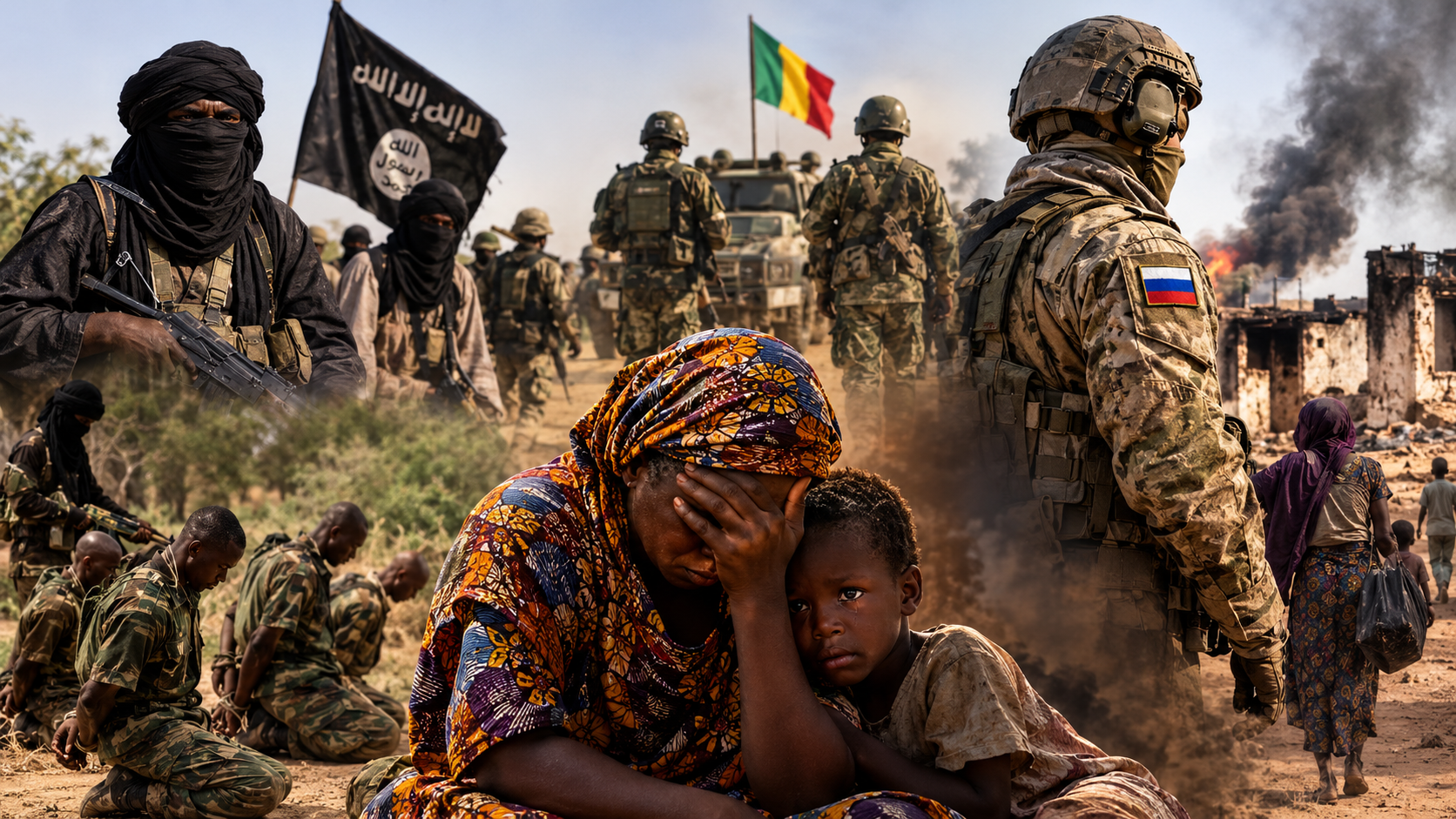
The critical shift in Mali’s counterterrorism strategy: soldiers fall while civilians bear the brunt
In Mali, the line between effective military operations and civilian protection is blurring. As the Group for the Support of Islam and Muslims (JNIM) continues its deadly campaigns against government forces, a growing number of reports indicate that Malian troops, backed by Africa Corps, are increasingly responsible for attacks on civilians. This disturbing trend raises urgent questions about the real objectives of Mali’s security strategy and whether it is safeguarding or endangering the very people it claims to protect.
How jihadist strikes expose the vulnerabilities of Mali’s armed forces
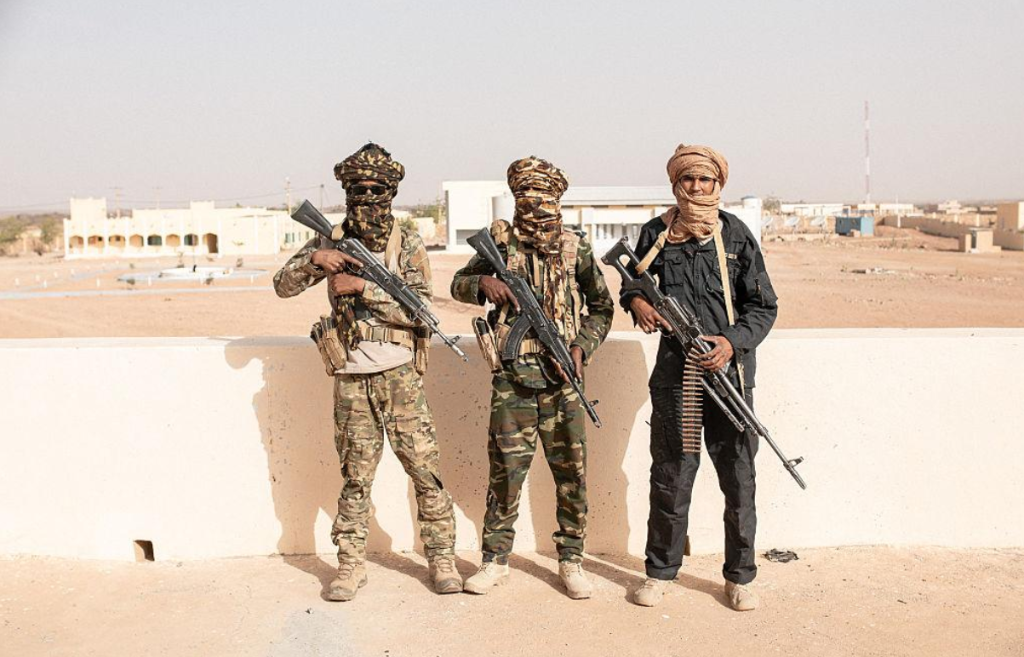
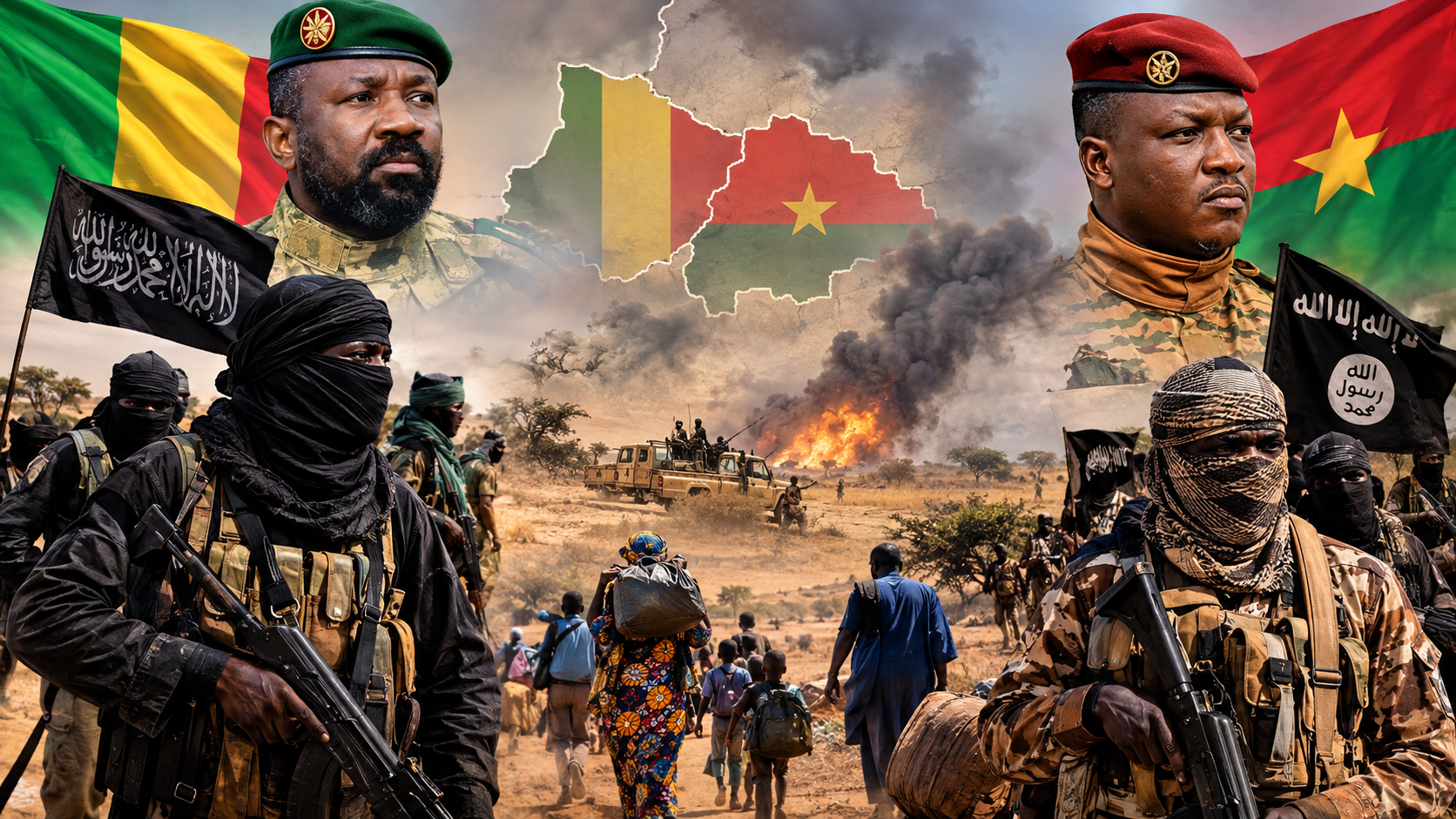
Government soldiers in Mali are under relentless pressure. The JNIM has intensified attacks, targeting military outposts and patrols across the central and northern regions. These assaults highlight the severe challenges faced by the Malian Armed Forces, struggling to maintain control in a rapidly deteriorating security environment. Yet, while the jihadist threat remains unchecked, the spotlight is now turning to the unintended consequences of these clashes: the civilians caught in the crossfire.
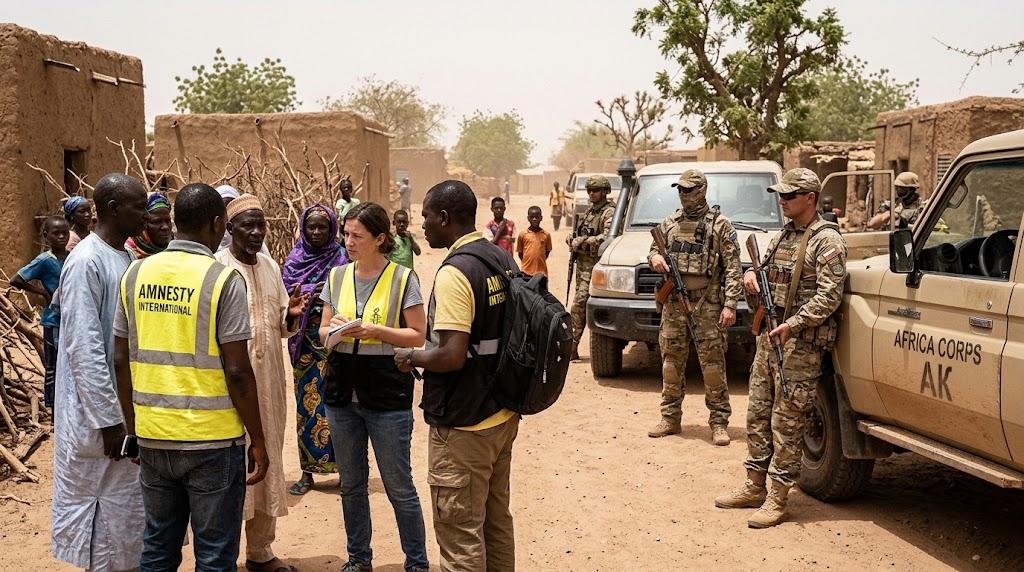
Human rights organizations have documented incidents where military operations conducted with the support of allied forces have resulted in civilian casualties. These cases challenge the narrative that external assistance, particularly from Africa Corps, is solely enhancing security. Instead, it is raising concerns about accountability and the true cost of Mali’s fight against terrorism.
Civilian casualties: a shadow over Mali’s security operations
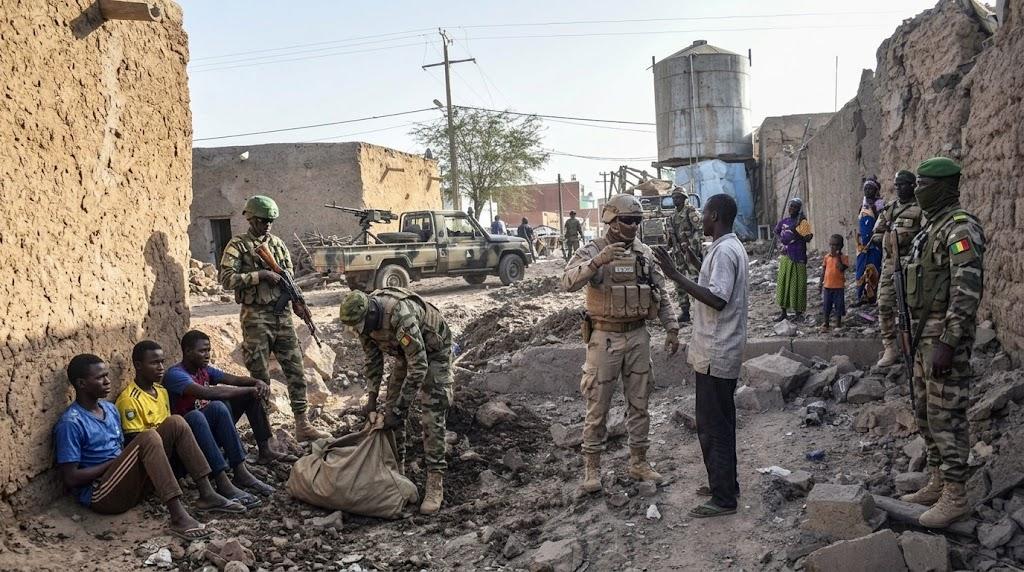
The Malian government’s counterterrorism strategy was designed to reclaim territory and restore stability. However, the growing number of civilian casualties attributed to military operations paints a grim picture. Reports suggest that in recent months, the majority of non-combatant deaths have occurred not only because of jihadist attacks but also due to indiscriminate use of force by government-aligned troops.
Local communities, already traumatized by years of insurgency, now describe a climate of fear. Many describe how military checkpoints, aerial bombardments, and ground operations have disrupted livelihoods, displaced families, and left scores of innocent lives shattered. For these civilians, the promise of safety remains elusive, overshadowed by the reality of violence emanating from all sides.
The Africa Corps factor: responsibility in a shifting alliance
The partnership between Mali and Africa Corps has redefined the country’s approach to counterterrorism. With Russian-backed forces embedded in key operational roles, the collaboration has delivered rapid battlefield gains. Yet, the alliance is now under scrutiny as civilian protection concerns mount.
The critical question is whether Africa Corps, as part of this strategic alignment, is inadvertently enabling or failing to prevent human rights violations. Military operations that disregard civilian life undermine both the legal and moral legitimacy of the fight against terrorism. International observers argue that strategic partnerships must be balanced with a clear commitment to protecting civilians, regardless of their geographic or ethnic background.
What accountability looks like in Mali’s fragmented war
Accountability in conflict zones is often elusive, but it is non-negotiable. Mali cannot afford to normalize civilian harm under the banner of national security. There must be transparent investigations into each incident, with consequences for those responsible whether they are members of jihadist groups, state forces, or foreign allies.
The path forward requires a dual approach: unrelenting pressure against armed groups while simultaneously enforcing strict adherence to international humanitarian law by government forces. This balance is not just ethical it is essential for long-term stability. Without it, Mali risks deepening the cycle of violence, where civilians are trapped between extremists and the very institutions meant to protect them.
Beyond military operations: rebuilding trust with local communities
No counterterrorism strategy can succeed without the trust of the population. The current surge in civilian casualties is eroding that trust at an alarming rate. To reverse this trend, Mali’s government and its foreign partners must prioritize civilian protection in every operation. This includes:
Implementing strict rules of engagement to minimize civilian harm
Ensuring independent investigations into all alleged abuses
Providing reparations and support to victims of military operations
Engaging with local leaders to address grievances and restore confidence
Ultimately, Mali’s security future hinges on more than firepower. It depends on a renewed commitment to human rights, transparency, and the protection of its people. Without these pillars, even the most aggressive military campaigns will fail to deliver the peace that so many civilians desperately seek.
By François Mvondo — Journalist