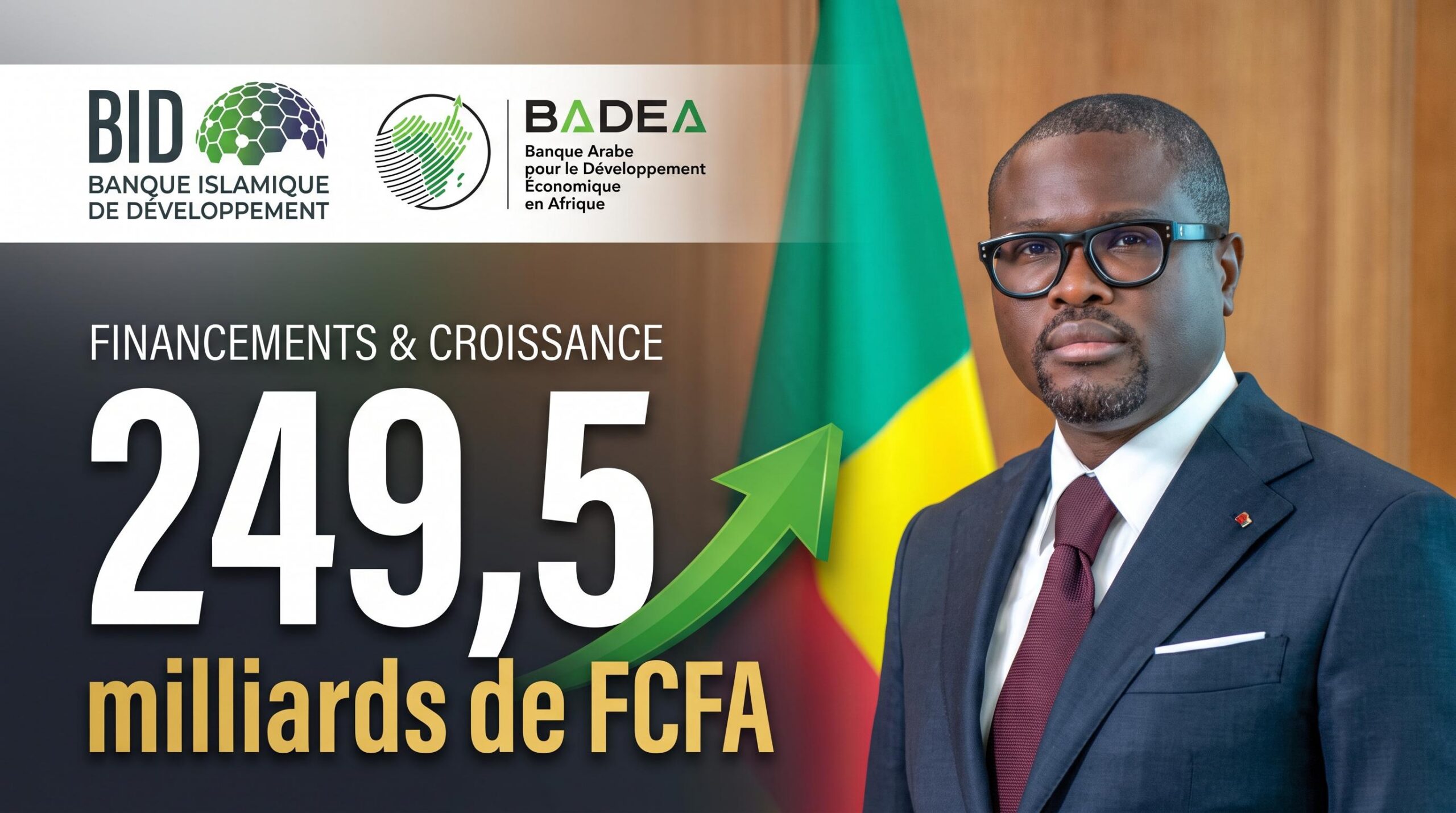
In a strategic shift signaling renewed confidence in Benin’s economic prospects, Ecobank has pledged $230.8 million (138.5 billion FCFA) to fund key national development projects. The announcement marks a pivotal moment for the West African nation as it seeks to accelerate growth through infrastructure, private sector support, and regional trade integration.
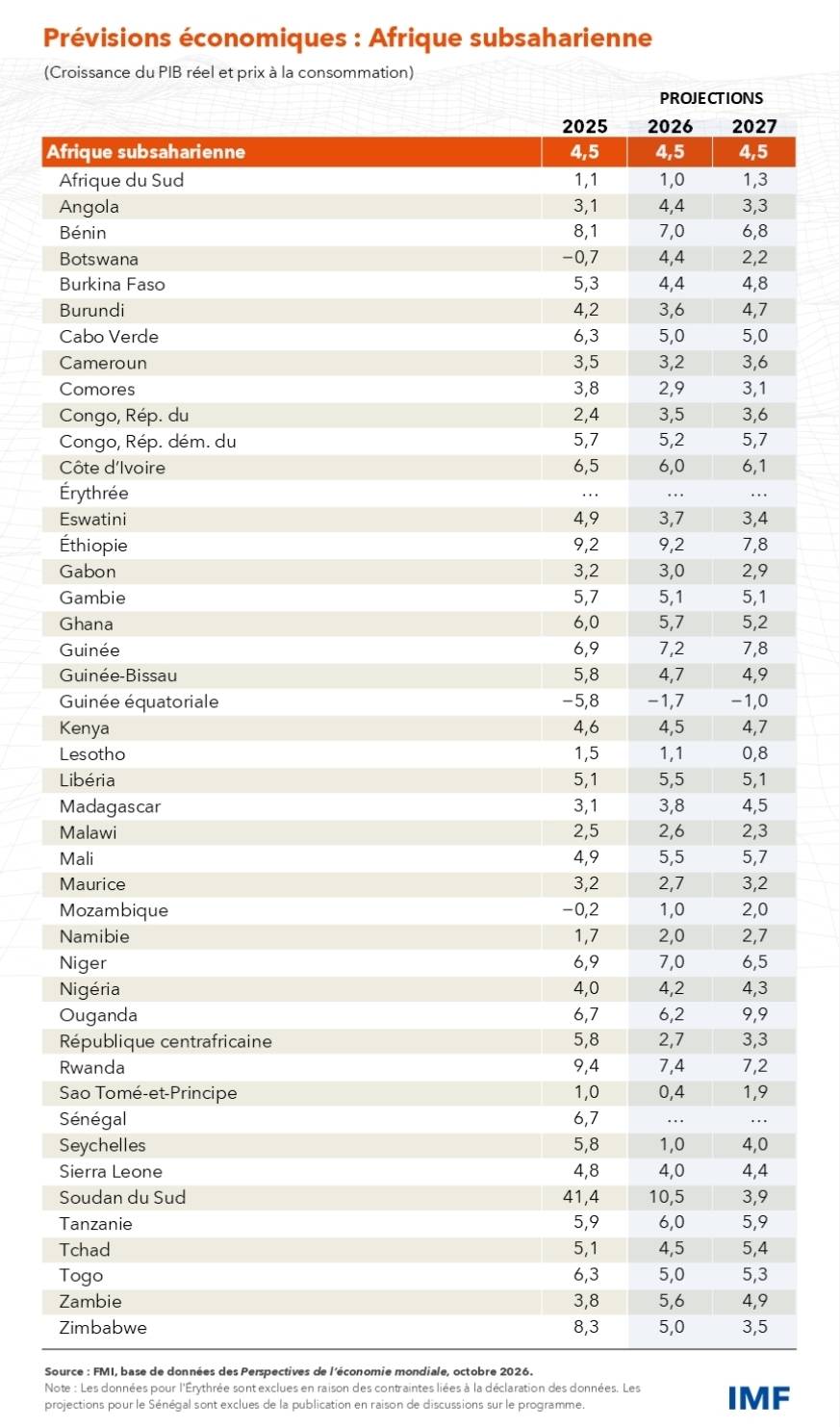
Why this Ecobank commitment signals a turning point for Benin
The $230.8 million pledge from Ecobank represents more than just a financial injection—it embodies a vote of confidence in Benin’s economic trajectory. Following high-level discussions between Ecobank Group CEO Jeremy Awori and President Romuald Wadagni, this funding commitment underscores Benin’s growing reputation as an emerging investment destination in West Africa.
This announcement builds on Ecobank’s existing financing footprint in Benin, where its cumulative investments now total 630 billion FCFA. Such a substantial commitment signals long-term partnership between the banking group and the Beninese government, with implications for economic stability and foreign investor perception.
Key sectors set to benefit from the landmark funding
The funds are earmarked for strategic sectors identified as critical to Benin’s economic transformation. The priorities include:
- Roads and utilities infrastructure: To enhance connectivity and reduce logistics costs
- Private sector financing: Expanding credit access for SMEs to stimulate job creation
- Agricultural value chains: Modernizing production and boosting food security
- Women-led entrepreneurship: Fueling economic inclusion through targeted financing programs
- Regional trade facilitation: Leveraging Ecobank’s African network to open new markets
These investments align with Benin’s national development agenda while addressing critical gaps in access to finance that have historically constrained growth in these sectors.
Financial credibility: the new competitive advantage for Benin
Good financial reputation—the ability of a country to meet its financial obligations reliably—has become a key differentiator in attracting international funding. Ecobank’s commitment validates Benin’s improving economic governance, transparent fiscal policies, and consistent debt management record.
This financial credibility doesn’t emerge overnight. It’s the result of years of fiscal discipline, improved business environment reforms, and consistent policy execution. For international lenders and investors, Benin is increasingly viewed as a lower-risk proposition compared to regional peers, making such large-scale commitments not just possible—but strategically sound.
Ecobank Bénin delivers strong financial performance amid growing engagement
Ecobank’s confidence in Benin’s future is backed by equally strong performance numbers. In 2025, the local subsidiary reported:
- Net profit of 18.96 billion FCFA — a 19% year-over-year increase
- Return on equity at 35%, significantly above national and regional benchmarks
- Cost of risk reduced to 0.29%, with non-performing loan ratios at just 1.94%
- Capital adequacy ratio of 17.29%, well above regulatory requirements
These metrics reflect a stable, well-managed financial institution—capable of scaling up operations to support national development goals while maintaining profitability and risk control.
Digital banking: the hidden driver behind Benin’s financial growth
Behind the scenes, Ecobank Bénin has quietly built one of the most advanced digital banking platforms in the region. In 2025 alone, mobile and online transactions surged by 62% in volume and 84% in value. For businesses, instant payment integration through the UEMOA system (PI-SPI API) has streamlined operations, reduced delays, and improved cash flow visibility.
Such digital innovation plays a crucial role in supporting the SME ecosystem—allowing smaller businesses to participate in regional trade, access credit faster, and compete on a continental level.
From pledge to action: how the funding becomes impact
While the $230.8 million commitment is significant, its real impact will be measured by how funds are deployed. The next steps include:
- Finalizing project pipelines and selection criteria
- Establishing transparent financing terms and disbursement schedules
- Ensuring alignment with Benin’s national development plan
- Monitoring implementation through independent audits
The success of this initiative will depend not only on capital allocation but on execution efficiency, project viability, and measurable outcomes in employment, productivity, and economic diversification.
What this means for Benin’s regional trade ambitions
Ecobank’s regional network positions it to help Benin tap into the African Continental Free Trade Area (AfCFTA). By connecting local businesses to markets across 54 countries, the bank can reduce trade barriers, simplify cross-border payments, and unlock new revenue streams for entrepreneurs.
For Benin—a nation with strategic port access and growing manufacturing capacity—this integration could transform it from a regional player into a continental trade hub. The timing aligns perfectly with the AfCFTA’s accelerated implementation phase, offering unprecedented opportunities for export-oriented growth.
As Ecobank prepares to translate its pledge into tangible investments, Benin stands at the threshold of a new economic era. The question now is not whether the funds will flow—but how effectively the nation can harness this momentum to build a sustainable, inclusive future.