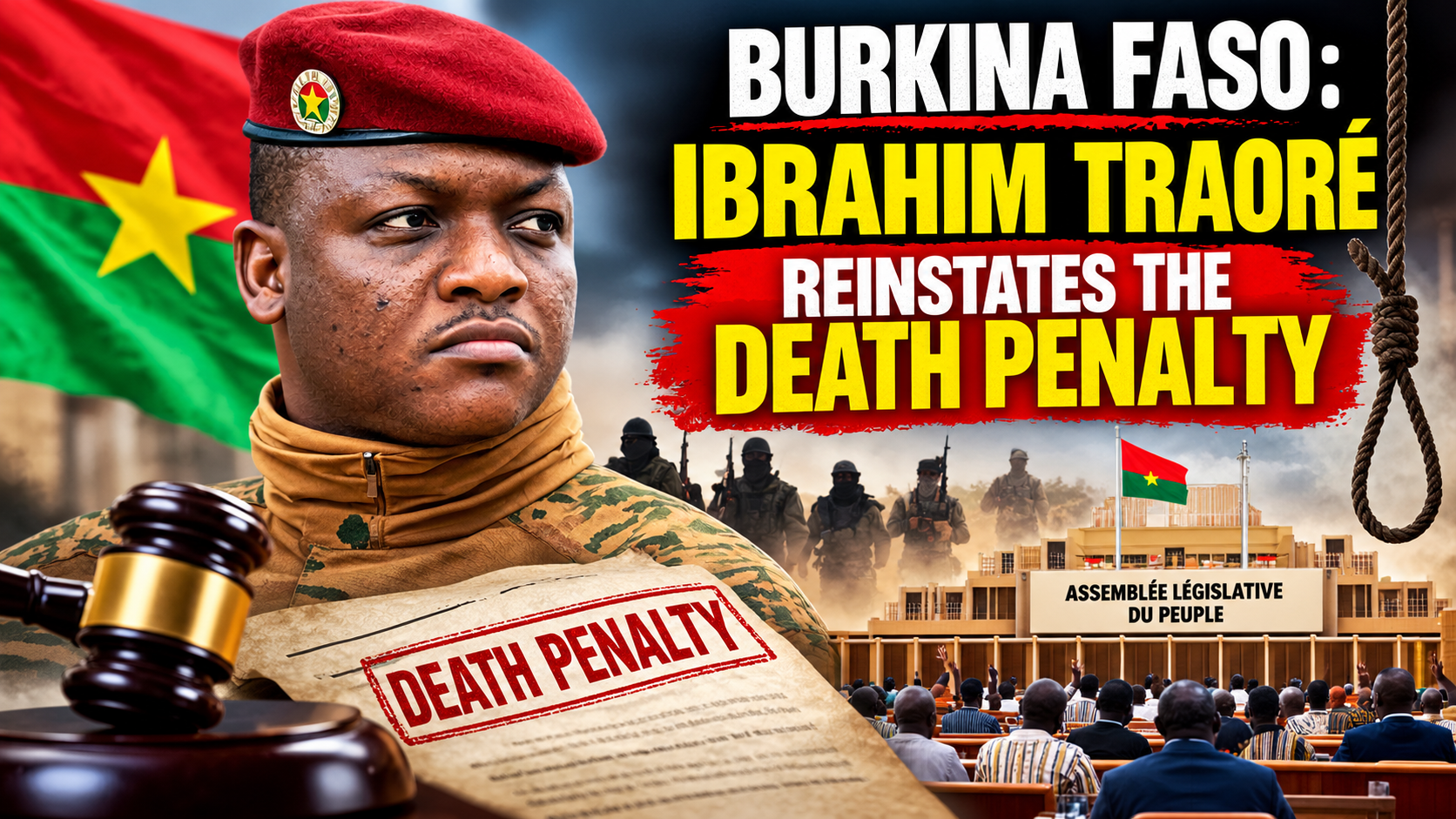
In a decisive move that marks a clear shift in its approach to national security, Burkina Faso has reinstated the death penalty, signaling a major turning point in the country’s fight against terrorism. The controversial measure, adopted unanimously by the legislative assembly, raises critical questions about whether extreme penalties can truly restore order or simply deepen a climate of fear in an already fragile society.
Breaking point: how extreme justice became the government’s new strategy
On October 20, 2026, the Burkina Faso Legislative Assembly adopted a sweeping reform of the Penal Code, bringing back the death penalty after an eight-year hiatus. While authorities argue the move is essential to strengthen public safety and deter grave crimes, critics warn that such a radical shift risks transforming fear into a tool of governance in a nation already struggling with civil liberties under military rule.
The new law targets crimes including terrorism, espionage, treason, and parricide, as well as the importation of hazardous materials that result in death. But beyond the stated goals of justice and deterrence, the reform’s deeper implications are sparking intense debate across the country.
Can harsher punishments truly curb terrorism?
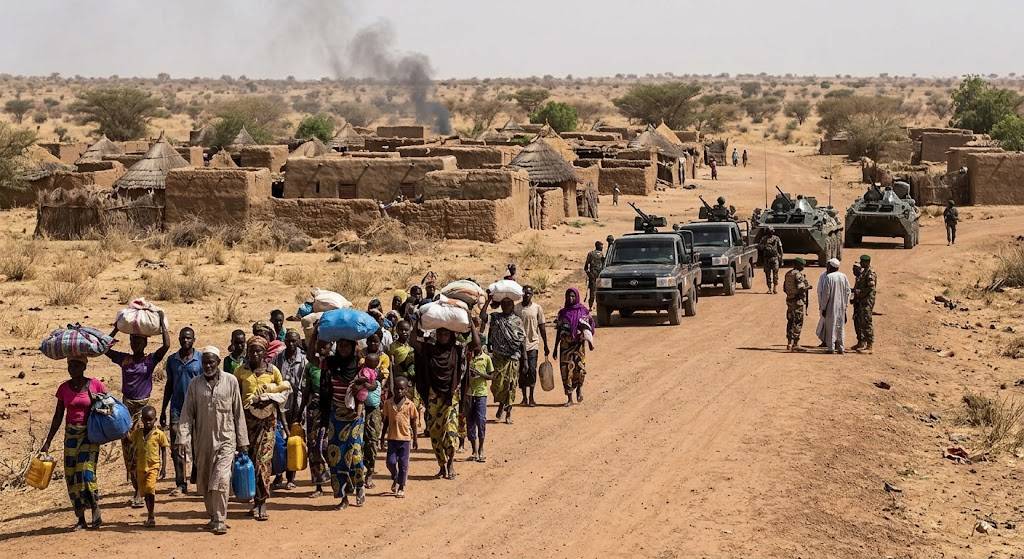
The Burkina Faso government faces relentless terrorist violence that has displaced thousands and eroded daily life in vast regions of the country. Citizens demand security: safe markets, functioning schools, and the ability to till their land without fearing sudden attacks. The regime’s response harsher penalties is rooted in this urgency. Yet, does severity alone ensure protection?
True safety depends not only on punitive measures but on intelligence, prevention, territorial control, and the rule of law. The death penalty may satisfy a political demand for firmness, but it does not inherently reduce attacks or restore stability. What matters most is whether the state can prevent massacres, protect communities, and restore everyday life not just impose maximum sentences.
Ibrahim Traoré’s hardline justice: power through punishment or real protection?
Captain Ibrahim Traoré’s military-led government has made no secret of its preference for decisive, uncompromising action. Recent public statements have emphasized zero tolerance for treason and espionage, framing punishment as a measure of authority and sovereignty. Yet, a justice system defined solely by severity risks overlooking core principles: independence, fair trials, and the right to defense.
In matters of capital punishment, justice must be flawless. There is no room for error, no possibility of reversal. When sanctions become irreversible, the stakes for due process skyrocket. The question is not whether the state can punish severely but whether it can do so fairly, transparently, and without abusing its power.
Press freedom and dissent under attack?
The new Penal Code doesn’t only bring back the death penalty it also reintroduces penalties for certain press offenses, according to official descriptions. In a nation already under scrutiny for alleged crackdowns on critics, journalists, and human rights defenders, these measures raise serious concerns. National security is a legitimate priority, but it must not become a pretext to silence dissent or intimidate those who question authority.
A functioning democracy, even in crisis, must allow criticism, transparency, and accountability. When penalties grow harsher while civic space shrinks, the line between defending the state and protecting the regime begins to blur. The real test is not the severity of the law but whether the public can trust the motives behind it.
A climate of fear will not secure the future
More severe penalties do not automatically translate into greater safety. Fear can silence voices, but it cannot build trust in institutions or bring lasting peace to communities under siege. For millions of Burkinabè, the true measure of the government’s success lies not in courtroom verdicts, but in tangible improvements: children safely attending school, farmers working their fields without fear, and families sleeping through the night without anticipation of violence.
Captain Traoré’s administration now faces a pivotal moment. Restoring the death penalty sends a strong message of resolve. But will it also restore the confidence of a population that has long endured terror? A strategy built solely on punishment risks leaving citizens feeling abandoned by the very institutions meant to protect them.
Justice or intimidation? The burden of proof lies with the state
The reinstatement of the death penalty is more than a legal amendment it is a political statement about how the state intends to confront crime and exercise power. To justify this bold and divisive choice, Burkina Faso must do more than defend it in principle. It must prove, through actions and results, that this approach enhances public safety without eroding fundamental freedoms.
In the fight against terrorism, a strong state is defined not only by its ability to punish, but by its commitment to fairness, transparency, and the protection of all citizens. The future of Burkina Faso will be shaped not by the weight of its sanctions, but by the trust it earns from its people.
By François Mvondo — Journalist