Breaking point: Senegal’s workers push back against unfulfilled pledges
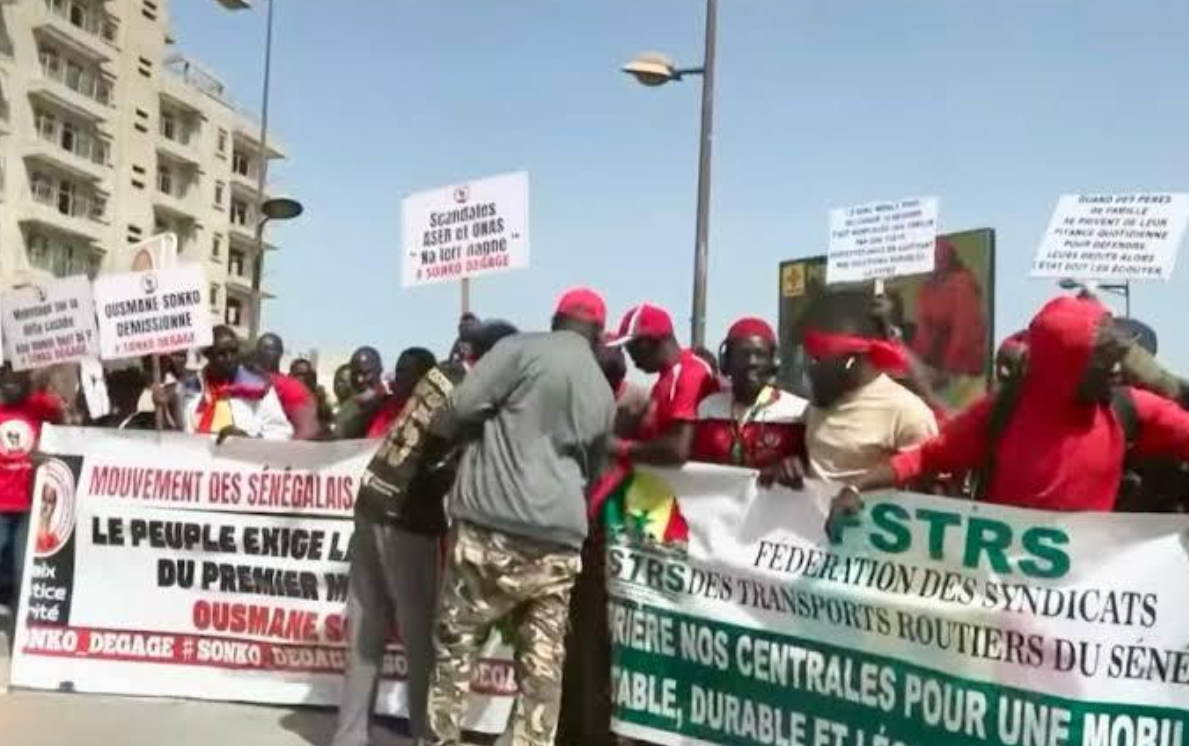
Dakar — A 72-hour general strike has plunged Senegal into uncharted territory as workers across public and private sectors unite to demand accountability from a government accused of systemic delays and unmet obligations. The walkout, which began on October 21, 2026, marks a decisive turning point in a simmering crisis of trust between authorities and labor organizations. At stake are critical issues: unpaid wages, neglected social agreements, and the erosion of worker protections in a country bracing for the Youth Olympic Games.
For union leaders, this is no longer just a protest—it is a last-resort action to force the government to honor commitments made months ago. The timing could not be more precarious, as political tensions and economic strains collide under the global spotlight of an upcoming international event.
Why the strike is more than a labor dispute
The strike is rooted in years of frustration. In education, the G7 coalition—which represents seven teacher unions—has called for an immediate resolution to long-standing issues: unpaid allowances, stalled administrative processes, and delayed training programs. Teachers hired on contract, in particular, have borne the brunt of administrative delays, with salaries and professional development funds consistently arriving weeks or months late.
But the G7’s demands extend beyond immediate financial relief. They are insisting on structural reforms that ensure future compliance with signed agreements. The union warns that without these changes, the 2026-2027 school year—already delayed by flooding—faces further disruptions. “This is about the credibility of the state,” stated a spokesperson for the G7. “Promises were signed; now we are demanding action.”
The broader labor movement, led by the Front syndical pour la défense des travailleurs (FSDT), has expanded the scope of the strike to include private sector workers. Their core demands center on fair wages, job security, and respect for labor rights—cornerstones of a social contract that many argue has been eroded by years of broken promises.
Broken agreements fuel deeper disillusionment
The roots of the strike trace back to April 16, 2026, when the government and unions signed a historic social pact. But implementation has been patchy at best. Teachers report unpaid allowances, delayed promotions, and bureaucratic bottlenecks that prevent the processing of essential documents. “We signed an agreement in good faith,” said one union representative. “Now we are seeing the same old delays. If words are no longer backed by deeds, what trust remains?”
The education sector isn’t alone. Workers in healthcare, transportation, and public administration have also seen their grievances grow unaddressed. From delayed salary payments to unfulfilled training commitments, the cumulative effect has created a perfect storm of labor unrest.
Government responds with carrot—and stick
The government has not remained silent. On October 15, Prime Minister Ahmadou Al Aminou Lo convened a tripartite crisis meeting, reaffirming the state’s commitment to dialogue. He proposed a three-month moratorium on strikes to allow negotiations to resume in earnest—an olive branch aimed at de-escalating tensions.
Yet beneath the conciliatory tone lies a firm warning. The Ministry of Public Service and Labor has cautioned that strikes launched without proper legal notice—or those that span multiple sectors—violate national labor laws. Violators could face wage deductions, disciplinary action, or legal ramifications. Earlier statements also pledged to protect non-striking workers and ensure the movement of people and goods during the strike period.
“We are open to dialogue,” stated a senior government official, “but we cannot allow our national priorities—including the upcoming Youth Olympic Games—to be derailed.”
Political fault lines intensify the crisis
The labor dispute is unfolding against a backdrop of deepening political divides. Budgetary disputes for 2027, public disagreements between the executive and parliament, and broader questions about national priorities have eroded public confidence. Labor leaders are now leveraging this moment not just to demand wage justice, but to challenge the very credibility of public institutions.
The Youth Olympic Games, scheduled for 2027, add pressure on all sides. The government wants to showcase Senegal as a stable, efficient host. Unions, however, argue that using the event as a shield to suppress legitimate demands would only deepen the crisis of public trust.
“We are not opposing progress,” clarified a union negotiator. “But progress cannot come at the expense of workers who have waited years for justice.”
What comes next: the path to resolution or escalation
The next 72 hours will determine whether this strike becomes a turning point—or a prolonged conflict. If negotiations resume with a clear, time-bound implementation plan for pending agreements, the crisis could de-escalate. But if silence follows the walkout, the message to workers will be clear: promises are temporary, but strikes have lasting consequences.
For students, families, and businesses, the impact is already palpable. Public services face disruption, schools may close, and private enterprises worry about lost productivity. The government risks more than economic loss—it risks losing the social license to govern.
One thing is certain: Senegal stands at a crossroads. Will it honor its word to workers? Or will the weight of unfulfilled promises push labor relations into uncharted and potentially volatile territory?
The answer will define not just the next chapter of Senegal’s labor history—but the future of its social compact.