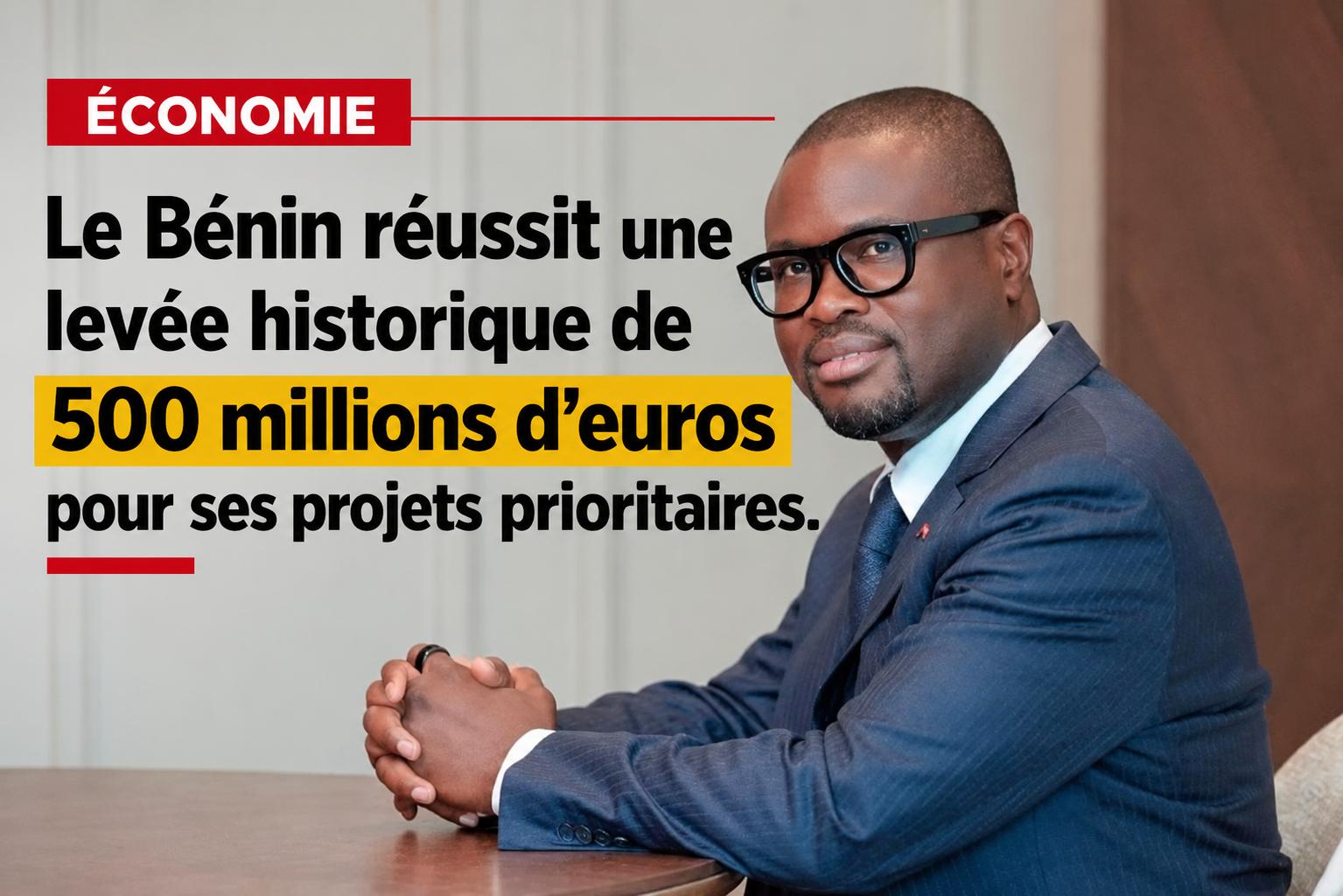
With an 8.1% growth rate in 2025 and strong future prospects, Benin continues its economic transformation. However, financing the next phase of development has sparked intense public debate about the country’s sustainable funding strategies. As discussions heat up, stakeholders are questioning: How will Benin meet its ambitious infrastructure, energy, and climate goals without overburdening its finances?
Navigating the financing landscape: what’s at stake for Benin
Benin’s rapid economic growth—projected to continue—demands massive annual investments. According to the African Development Bank, the country must mobilize approximately $2.43 billion per year until 2030 to accelerate its structural transformation. This covers critical sectors like energy, transportation, agriculture, digital services, and water infrastructure, all of which require substantial funding.
While public funds remain essential, they cannot cover everything. Private investors, financial markets, and development partners play a crucial role in bridging the gap. The challenge now lies in aligning these diverse funding sources with projects that drive sustainable growth.
Sustainable finance in action: Benin’s bold experiments
Benin has already taken steps to diversify its financing models. In 2021, the country issued a 500 million euro bond linked to the Sustainable Development Goals (SDGs)—making it the first African nation to launch an international SDG Eurobond. This initiative earmarked funds exclusively for SDG-aligned projects, setting a precedent for targeted financing.
Two years later, in June 2023, Benin raised an additional 350 million euros through Deutsche Bank to support SDG-focused expenditures. These moves demonstrate the feasibility of connecting market-driven finance to precise development objectives.
Green financing takes center stage
In September 2025, Benin launched its Green Financing Framework, a blueprint for identifying and funding projects that reduce environmental impact. Key sectors include renewable energy, clean transport, water management, biodiversity, and climate adaptation. This framework provides investors with clear criteria for sustainable investments.
The government has also finalized its climate taxonomy—a set of rules classifying economic activities as climate-friendly. Officially adopted in January 2026, this system covers sectors like energy, agriculture, waste management, and forestry. By defining these standards, Benin aims to attract capital for projects that align with its climate goals.
Mixed finance and private investment: reducing risk, unlocking potential
Public funds alone cannot sustain all critical projects, particularly those with long-term profitability timelines or high risk. This is where blended finance steps in—a strategy that combines public, development partner, and private capital to mitigate risk and attract investors.
Benin’s Green Investment Vehicle, supported by the African Development Bank and Climate Investment Funds, exemplifies this approach. Working alongside the World Bank and Global Green Growth Institute, Benin is also developing a platform to help banks and microfinance institutions access climate finance. This ensures that small and medium enterprises (SMEs) can participate in sustainable growth, not just large-scale infrastructure projects.
Climate financing: protecting growth from environmental threats
Climate change poses additional financial risks to Benin’s economy. The country must invest in resilience while maintaining its development momentum. In July 2024, Benin hosted a climate finance roundtable in Cotonou, leading to a cooperative framework involving the World Bank, IMF, African Development Bank, and other partners. This initiative aims to coordinate reforms and mobilize both public and private funds for climate priorities, including green bonds, blended finance, and mechanisms under the Paris Agreement’s Article 6.
For example, the OPEC Fund for International Development pledged 30 million euros to support Benin’s climate adaptation efforts. These funds target sectors like renewable energy, water management, agricultural resilience, and energy efficiency. Additionally, a national agricultural insurance system, piloted with the IMF’s support, has already benefited over 100,000 rice, cotton, and livestock farmers. Expanding this system could protect millions more against climate-related losses.
The road ahead: scaling up sustainable financing
Benin’s progress is clear, but the real test lies in scaling these tools effectively. The debate now centers on integration—how to align financing mechanisms with specific projects, share risks equitably, and ensure that resources deliver measurable results. The government’s next steps will determine whether sustainable finance can drive inclusive growth, reduce poverty, and accelerate ecological transition.
The country’s ability to mobilize and direct capital over the coming years will shape its economic trajectory. Will these innovations reach local businesses and communities, or remain confined to high-profile projects? The answer will define Benin’s future.