After decades of conflict in DR Congo: six million voices demand accountability now
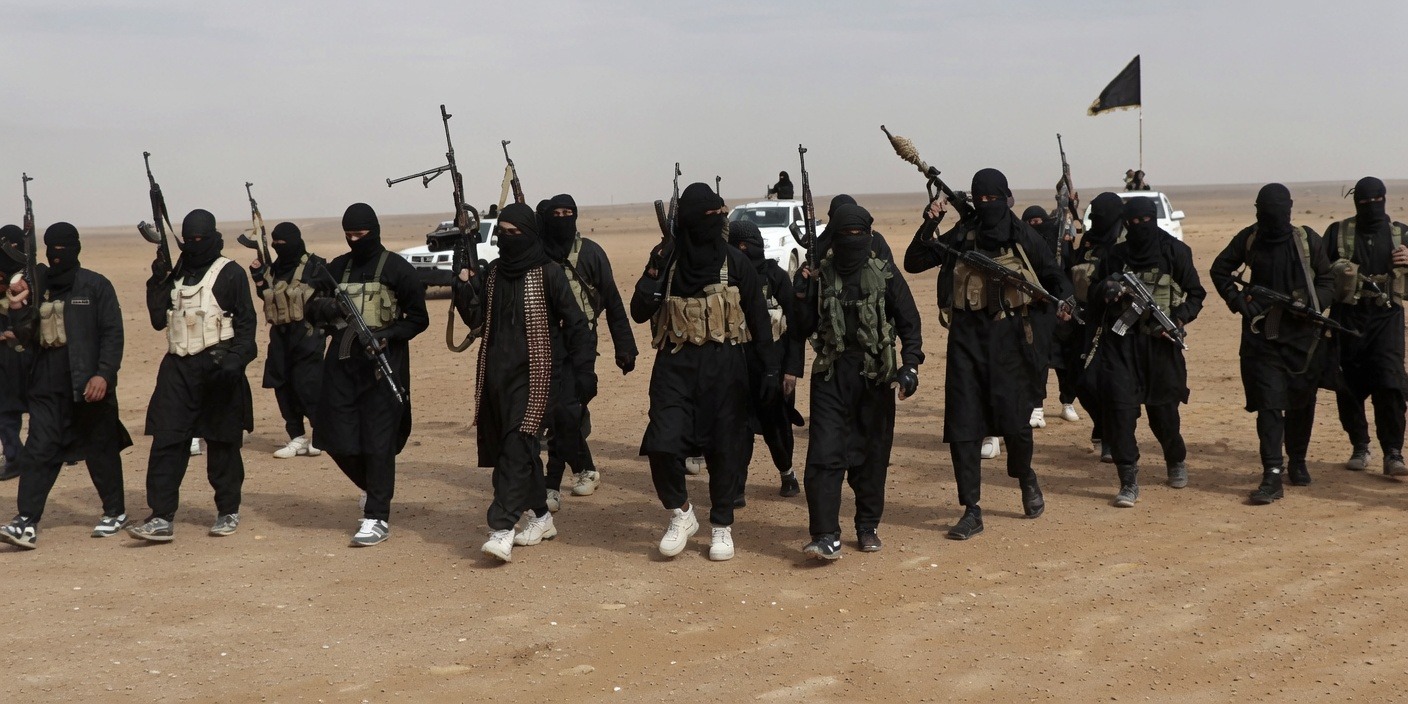
Thousands of Congolese citizens who survived decades of conflict are still waiting for justice, while perpetrators of war crimes continue to evade consequences. Now, a bold campaign led by Amnesty International is amplifying their voices, pushing for systemic change in a nation long plagued by systemic impunity.
This unprecedented movement places public pressure on institutions to address the root causes of violence and restore faith in justice for survivors across the Democratic Republic of Congo.
Voices that refuse to be silenced: the human cost of unanswered violence
In Goma’s Kasika district, 37-year-old Noël Chiza has known only war in his lifetime. A father of five and survivor of multiple atrocities, he speaks for a generation born into violence.
“We were born in war, we grew up in war, and we face atrocities of every kind. To watch those who committed these crimes now hold positions of power—local or national—without facing justice? That is not justice. It is a second betrayal,” Chiza reflects.
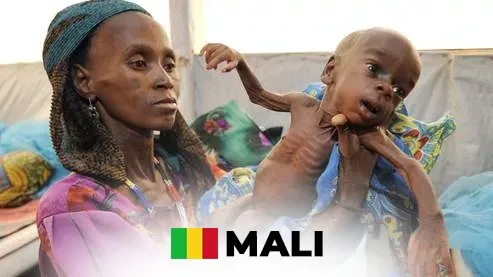
The campaign, titled “6 Million Voices for Justice in Congo,” aims to collect signatures from a number of people equal to the estimated death toll from decades of conflict in eastern DRC. But the movement’s reach extends beyond statistics—it is a call to recognize the millions still living with trauma, displacement, and unhealed wounds.
Survivors at the heart of the movement
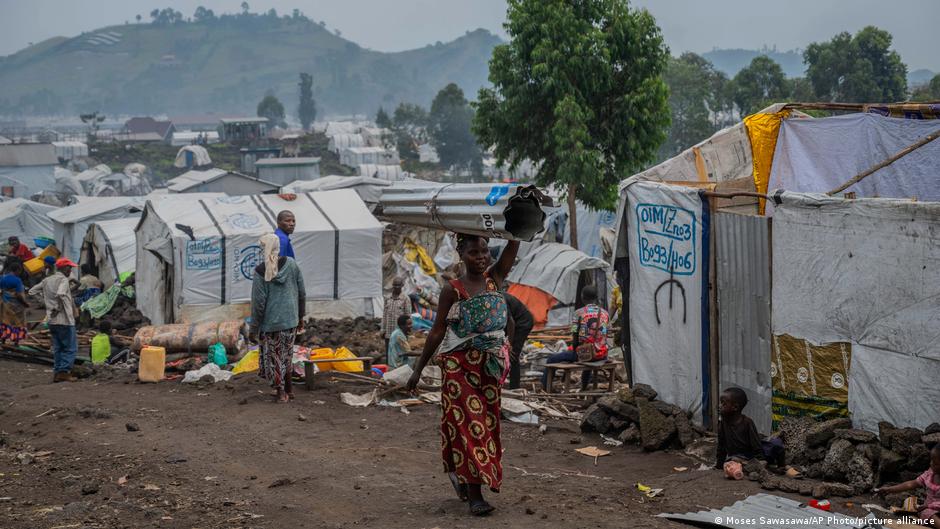
Among those whose lives remain deeply altered is Josué Wallay, forced from his eastern village and now displaced in Kinshasa. He describes the loss not just of home, but of identity, community, and purpose.
“Displacement was not a choice. It broke my life into pieces. I lost my community, my work, my daily rhythm. The conflict didn’t just take my home—it took my future,” he says.
Stories like his highlight the daily reality for millions: justice is not an abstract demand, but a lifeline to reclaim dignity and rebuild.
Can justice bring lasting peace in Congo?
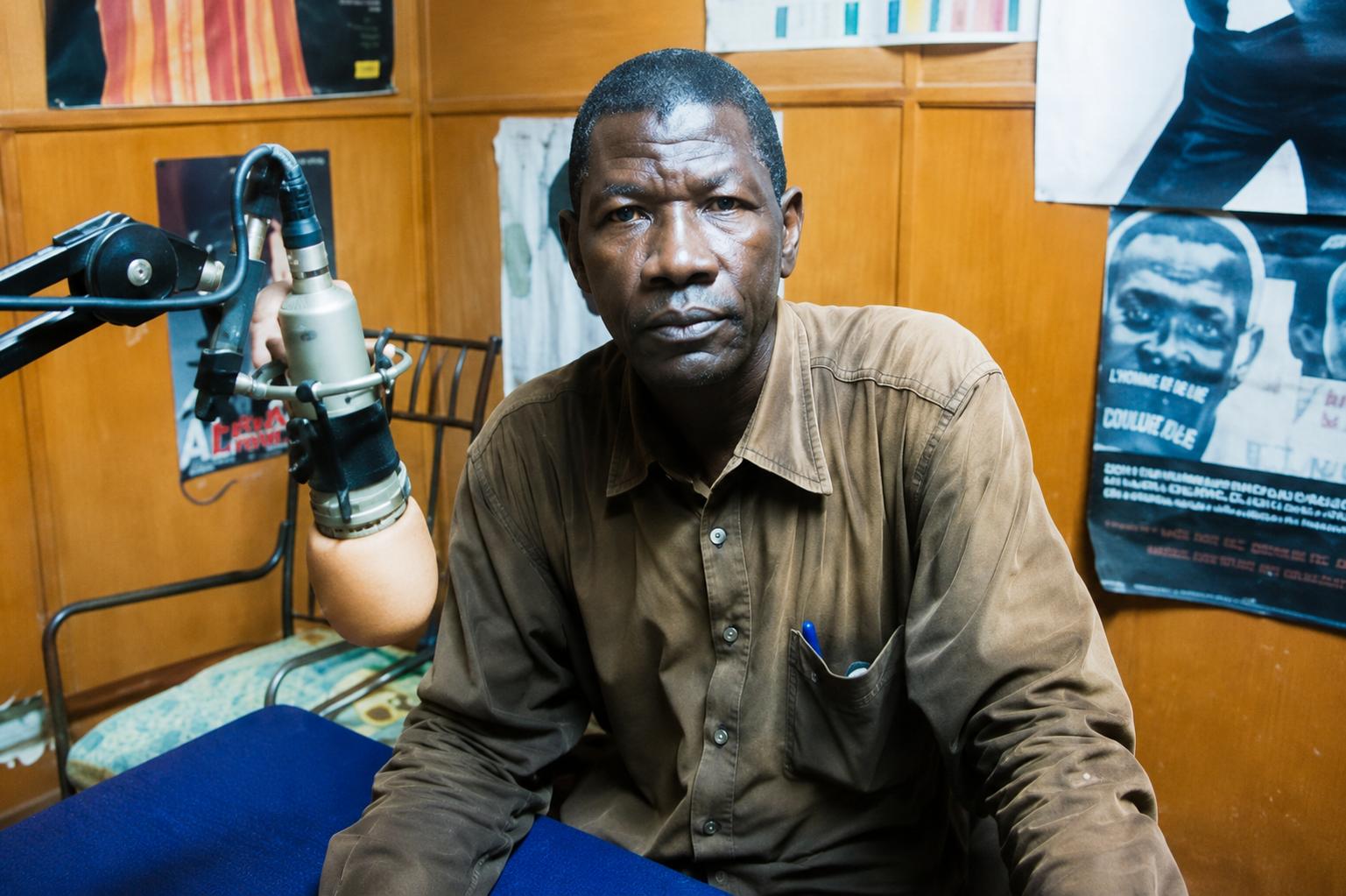
Raphaël Wakenge, a human rights defender involved in the campaign, insists that accountability is not optional—it is foundational to peace.
“The Congolese justice system suffers from both limited capacity and political will. Victims deserve more than silence. They need reparations. They need acknowledgment. And they need real change,” Wakenge states.
The campaign also calls for October 1st to be recognized nationwide as a day of reflection and action on international crimes committed in the DRC—transforming memory into a catalyst for systemic reform.
The road ahead: what change looks like
Breaking the cycle of impunity
For decades, cycles of violence have been fueled by unchecked impunity. This campaign challenges that norm by uniting survivors, activists, and global supporters to demand that perpetrators face consequences.
Healing begins with truth
Beyond legal accountability, healing in Congo requires truth-telling and reparative justice. Survivors like Chiza and Wallay are not asking for sympathy—they are demanding justice as a right, not a privilege.
A global call to action
With six million signatures as a symbolic and practical milestone, the campaign leverages public pressure to compel institutions to act. But its greatest power lies in its message: no one in Congo should be forced to live another generation in the shadow of unresolved crimes.
What comes next for justice in Congo
- Institutional accountability: The campaign pushes for the prosecution of war criminals and the removal of perpetrators from public office.
- National reflection: October 1st could become a day of national reckoning on war crimes and their legacy.
- Reparative justice: Survivors deserve compensation, support, and the restoration of dignity.
The message is clear: the era of living with impunity is ending. The question now is—will institutions listen, and will justice finally follow?