Burkina Faso’s eastern sector faces a critical turning point after a devastating assault on a police outpost in Balga that has left security forces reeling and local communities on edge. The brazen attack, attributed to the Group for the Support of Islam and Muslims (JNIM), has not only resulted in significant loss of life but also crippled the operational capacity of a key security installation.
Unprecedented attack leaves police post in ruins
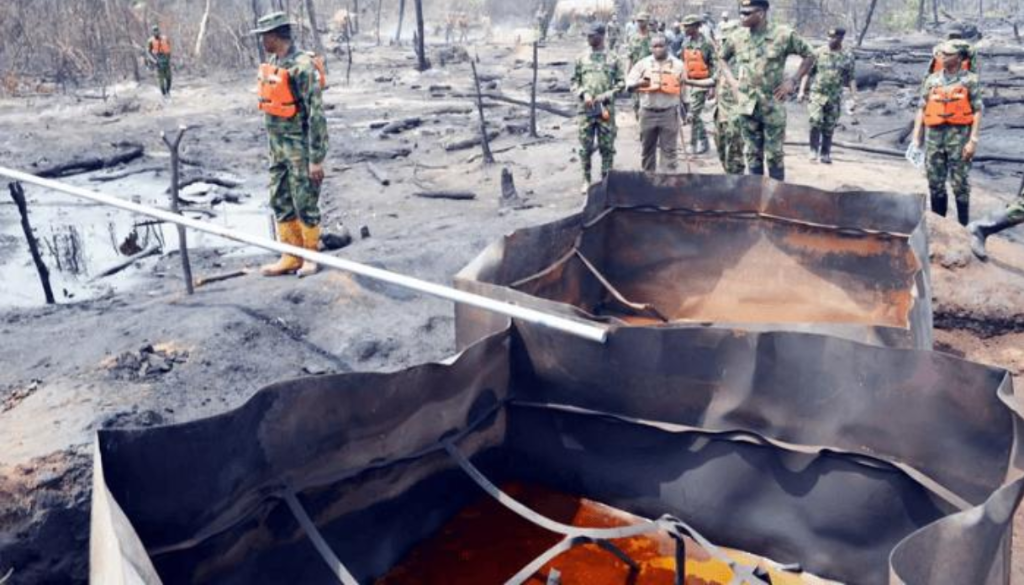
Early this morning, armed militants launched a coordinated assault on the national police detachment in Balga, located roughly 25 kilometers from Fada-N’Gourma. The assault was swift and devastating—attackers completely demolished the facility, set fire to the infrastructure, and made off with weapons, ammunition, and vehicles. Officials are still tallying the human toll, but reports indicate a high number of casualties among security personnel, with several officers reported missing.
Eastern region’s fragile security framework under siege
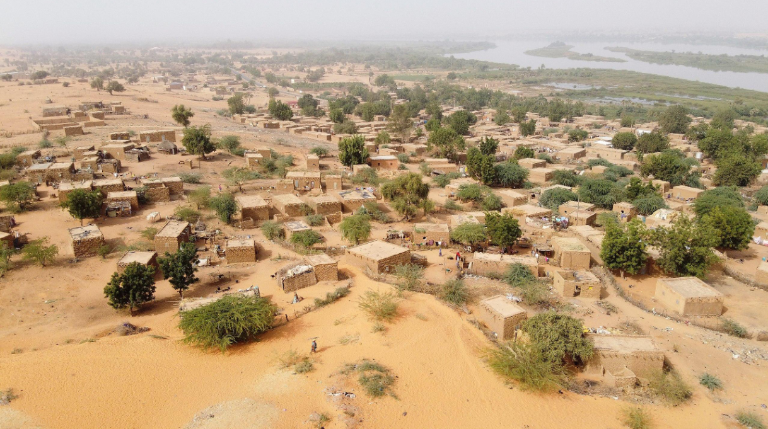
Balga’s strategic proximity to a major urban center like Fada-N’Gourma amplifies concerns about the reach and capabilities of militant groups operating in the area. The destruction of a police post does more than deplete material resources—it signals a dangerous erosion of public protection and state authority in already vulnerable zones.
The attack highlights systemic vulnerabilities in Burkina Faso’s security approach, particularly regarding isolated detachments. Questions persist over supply lines, reinforcement capabilities, and the ability of isolated units to withstand large-scale offensives. Each time a security outpost falls, the ripple effects are felt far beyond the immediate area, deepening instability and undermining civilian confidence.
Life interrupted: how insecurity reshapes communities
The impact of the Balga attack extends far beyond the loss of infrastructure and personnel. For residents, it represents a stark deterioration of daily life. With a vital security presence removed, civilian movements become riskier, economic activities stall, and access to essential services is threatened. Families of the missing officers face not only emotional distress but also uncertainty about the fate of loved ones and the broader security situation.
Economic and social ripple effects
- Market disruptions: Local trade grinds to a halt as fear of movement halts commerce.
- Public service gaps: Schools, health centers, and administrative offices in affected areas struggle to maintain operations.
- Forced displacement: Residents may flee to safer areas, further straining resources in neighboring regions.
Government response and long-term resilience
The attack underscores an urgent need for comprehensive strategies to secure not just territory, but people. While military responses are immediate priorities, sustainable solutions must address structural weaknesses—reinforcing isolated posts, improving logistics, and restoring public trust. The destruction in Balga is not just a setback; it’s a call to action for Burkina Faso to reinforce its defenses before the next assault.
As authorities work to confirm the full extent of the losses, one thing remains clear: the attack marks another critical moment in the escalating security crisis gripping Burkina Faso’s eastern region. The path forward demands not only resilience but decisive measures to prevent further breakdowns in the state’s fragile security framework.