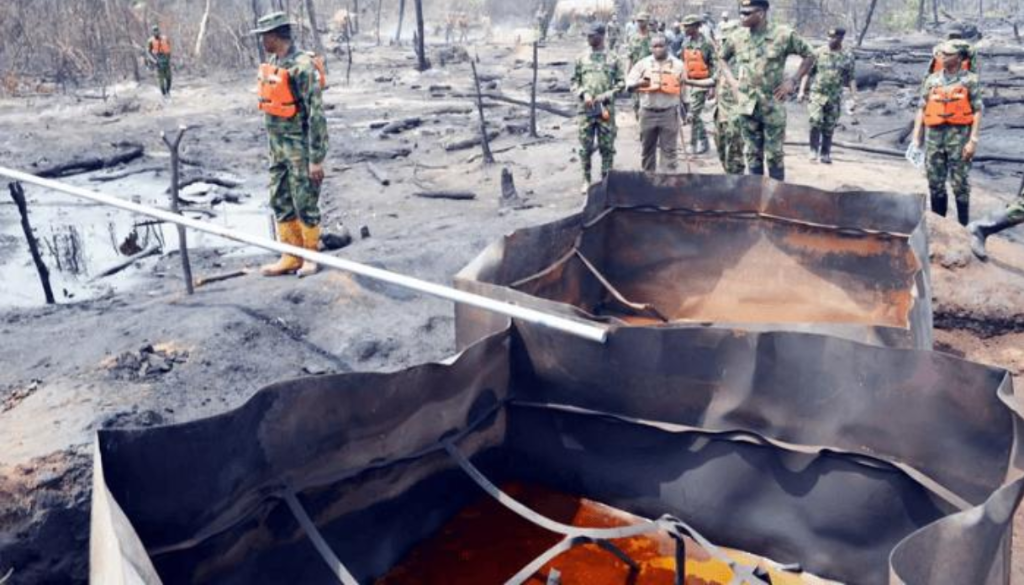
The unearthing of a sprawling illegal oil refinery in Nigeria’s Ogun State marks a critical turning point in the nation’s fight against petroleum theft and economic sabotage. The clandestine facility, tied to foreign operators, has exposed glaring vulnerabilities in the country’s resource governance, raising urgent questions about illegal fuel trade, regulatory oversight, and Nigeria’s ability to safeguard its oil wealth.
Breaking point: how a covert refinery operation evaded detection
Law enforcement’s raid on a hidden industrial site in Ogere, Ogun State, has revealed an illegal refining operation operating on an industrial scale. The Nigerian Economic and Financial Crimes Commission (EFCC) uncovered a network of hidden tanks, heating systems, and separation units designed to process crude oil residues into adulterated diesel. The discovery underscores the sophistication and audacity of black-market oil refining in Africa’s largest crude producer.
The facility spanned over three hectares, with one underground tank alone holding an estimated 90,000 liters. Investigators believe the plant processed “black sludge”—a heavy residue from crude oil—smuggled in from Warri (Delta State) and Port Harcourt (Rivers State). Through heating and chemical separation, operators allegedly produced substandard diesel, known locally as AGO, to supply informal fuel markets.
Despite the scale of the operation, no arrests were made during the raid. The site had been abandoned, leaving authorities scrambling to trace the operators, financiers, and distribution networks fueling this illicit industry.
Fueling the black market: tracing the supply chain of illegal oil
The existence of such a large-scale refinery raises serious concerns about the supply chain behind illegal fuel production. The logistics involved—sourcing raw material, transporting it hundreds of kilometers, storing it undetected, and distributing the final product—point to a well-organized criminal syndicate.
Key questions remain unanswered: Who supplied the crude residues? Who funded the construction and operation of the plant? Who purchased the adulterated diesel, and where was it sold?
Without regulatory oversight, these operations generate massive profits while depriving the Nigerian government of tax revenue and undermining legitimate fuel industries. The lack of transparency in sourcing and sales channels suggests deep-rooted corruption within local and regional networks.
Environmental and economic fallout: the hidden cost of illegal refining
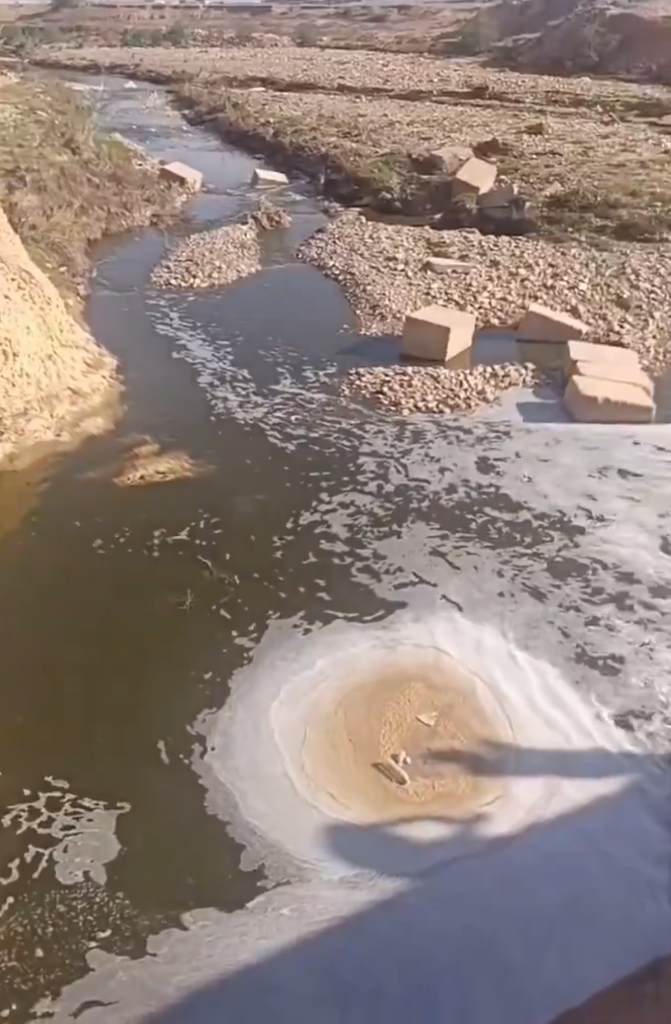
Beyond financial losses, illegal refineries pose severe threats to public health and the environment. Artisanal refining processes often involve rudimentary equipment and hazardous practices, leading to toxic emissions, soil contamination, and water pollution. Communities near such sites face elevated risks of fire, explosions, and long-term exposure to carcinogenic substances.
Economically, these operations distort the market. They sell unregulated, often contaminated fuel at lower prices, undercutting licensed operators and eroding consumer trust in official fuel supplies. Poor-quality diesel damages engines and industrial machinery, increasing repair costs and reducing productivity.
The Nigerian government loses billions annually due to oil theft and illegal refining. More alarmingly, this illicit trade fuels armed groups and criminal syndicates that destabilize already fragile regions.
Foreign involvement and Nigeria’s sovereignty challenge
The discovery of a facility allegedly operated by foreign nationals—particularly those linked to China—has reignited debates about the role of international actors in Nigeria’s informal oil economy. While Chinese enterprises are active across strategic sectors in Africa, this case demands scrutiny without conflating individual culpability with national policy.
However, the operation’s scale and technical execution suggest foreign expertise and financing. This raises concerns about how multinational networks bypass customs, regulatory agencies, and oil sector controls. The real issue is not nationality, but Nigeria’s inability to enforce its own laws across its territory.Restoring control will require strengthening border security, auditing oil sector compliance, and cracking down on local complicity where it exists. The federal government must demonstrate that no actor—domestic or foreign—is above the law.
From discovery to action: what happens next?
This is more than a policing operation—it’s a test of Nigeria’s sovereignty over its most valuable natural resource. Authorities face the daunting task of dismantling the entire syndicate: tracing financial flows, identifying financiers, tracking distributors, and prosecuting those responsible.
Civil society and energy analysts warn that without decisive action, illegal refining will continue to flourish. Nigeria’s oil wealth is a national treasure, but its value is meaningless if it cannot be secured, refined, and monetized legally.The Ogun State refinery bust signals that the moment for accountability has arrived. The nation now stands at a crossroads—will it reclaim control over its petroleum industry, or allow black-market cartels to dictate the future of its energy economy?