In a decisive move to confront escalating climate threats, Benin has launched a transformative initiative targeting nine of its most vulnerable districts. The Integrated Project for Strengthening Climate Resilience in Vulnerable and Border Communities (PIRRCF) marks a pivotal turning point, shifting from reactive measures to a robust, long-term strategy that integrates agriculture, water security, renewable energy, and digital innovation. With a commitment of $15.5 million, Benin is taking bold steps to safeguard rural livelihoods, boost agricultural productivity, and foster economic resilience by 2031.
From climate vulnerability to opportunity: a multi-sectoral approach
The PIRRCF initiative emerges as a response to the growing climate crisis affecting Benin’s rural communities. Frequent droughts, erratic rainfall, and devastating floods have crippled agricultural production, threatening food security and household incomes across the country. By adopting an integrated approach, the government aims to turn these challenges into opportunities through targeted interventions in nine key districts: Sèmè-Kpodji, Sakété, Kétou, Savalou, Dassa-Zoumè, Djougou, Copargo, Ouaké, and Malanville.
Speaking at the project’s launch in Sèmè-Podji, the Minister of Agriculture, Livestock, and Fisheries highlighted the urgent need for systemic solutions. « Climate disruptions have cost farmers dearly, wiping out entire maize and groundnut harvests,» he noted, underscoring the necessity of moving beyond temporary fixes. « This project is about building lasting resilience that equips communities to adapt and thrive. »
Water security and renewable energy: building the foundations of resilience
Central to the PIRRCF strategy is the enhancement of water access and the adoption of clean energy solutions. With climate change intensifying seasonal variability, farmers face unpredictable water supplies, directly impacting crop yields. The project addresses this through a series of targeted infrastructure developments:
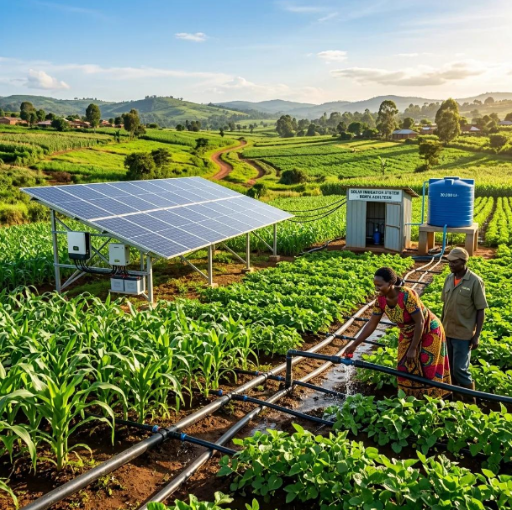
- Water management: Construction of three water retention dams, rehabilitation of two inland valleys, and installation of five drip irrigation systems to reduce dependence on erratic rainfall.
- Solar-powered solutions: Twelve pastoral boreholes will be equipped with solar pumps, lowering energy costs and ensuring reliable water access for livestock and irrigation.
These interventions are designed not only to stabilize agricultural production but also to support off-season farming, diversify income sources, and mitigate the risks associated with climate extremes.
Empowering farmers through technology and innovation
In addition to physical infrastructure, the PIRRCF places a strong emphasis on digital tools and capacity building. By integrating climate-smart practices and data-driven decision-making, the project seeks to enhance the resilience of over 20,000 farmers and rural entrepreneurs. Training programs will cover:
- Climate adaptation strategies tailored to local conditions
- Digital platforms for weather forecasting and market access
- Technical skills for sustainable land and water management
« Digital innovation is a game-changer,» the minister observed. « It bridges the information gap, empowers women and youth, and strengthens local value chains. »
Local materials: a sustainable building block
The project also promotes eco-friendly construction materials such as compressed earth bricks and stabilized soil blocks. This initiative supports local artisans, creates green jobs, and reduces the carbon footprint of construction activities. The Swiss Development Cooperation, a key partner, views this component as a dual win: economic empowerment and environmental stewardship.
Measurable outcomes and long-term impact
The PIRRCF is designed to deliver tangible results by 2031:
- Directly benefit 31,687 individuals, including over 12,300 women
- Indirectly impact approximately 1.5 million people across the nine districts
- Increase agricultural productivity by 20% and boost household incomes by 30% for 10,000 families
- Generate 5,000 direct jobs and 15,000 indirect jobs across agricultural, pastoral, energy, and digital sectors
These targets reflect a broader vision: transforming climate adaptation from a survival strategy into an engine for economic growth and social progress in rural Benin.
The road ahead: execution and accountability
While the financial commitment and project design are in place, success hinges on effective implementation. Key challenges include ensuring timely infrastructure delivery, equitable resource allocation across communities, and active participation from local stakeholders. Municipal authorities and beneficiary groups will play a critical role in monitoring progress and ensuring transparency.
The PIRRCF is more than a funding initiative—it is a promise to rural Benin. For farmers like those in Djougou or Malanville, the project represents a lifeline: reliable irrigation, resilient crops, and sustainable income sources. As the first spade hits the ground, the real test begins—not just in constructing dams or installing solar panels, but in changing lives.
Conclusion: A model for West African climate resilience
Benin’s bold approach to climate resilience could serve as a blueprint for neighboring countries grappling with similar challenges. By combining infrastructure, technology, and community engagement, the PIRRCF demonstrates how proactive adaptation can spur development rather than stifle it. The coming years will reveal whether Benin has turned the tide—but the foundation is now firmly in place.