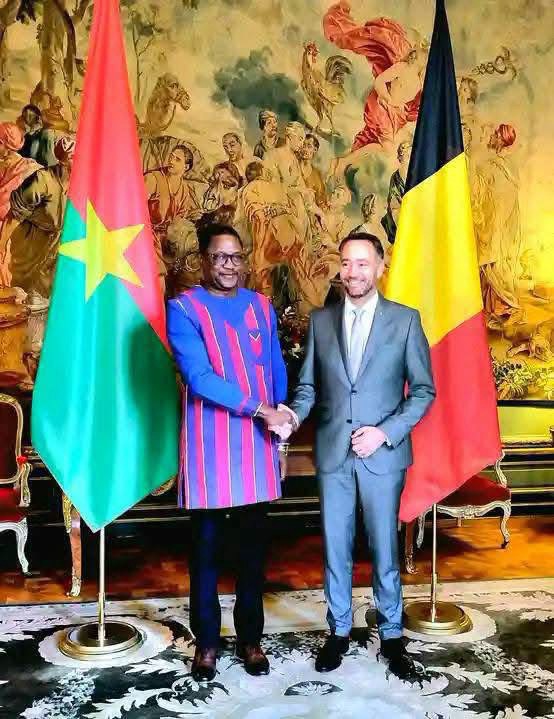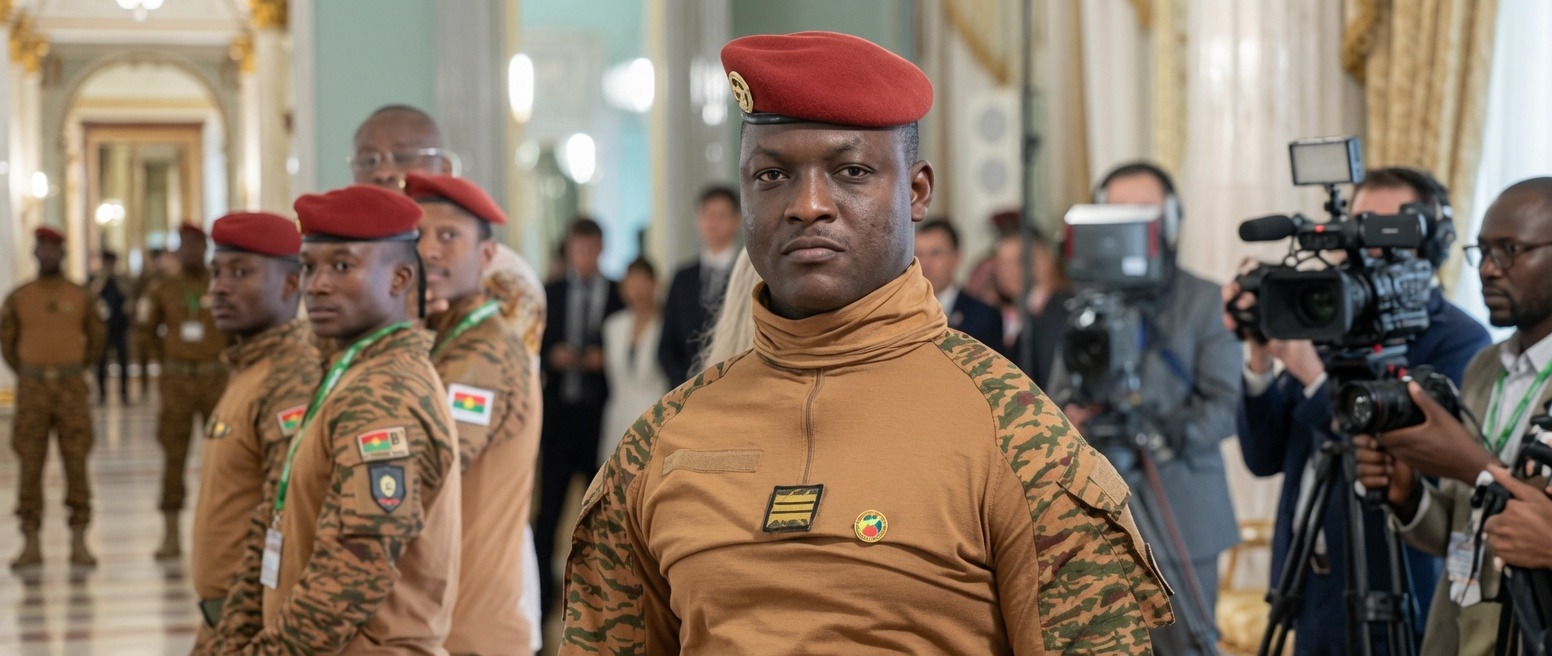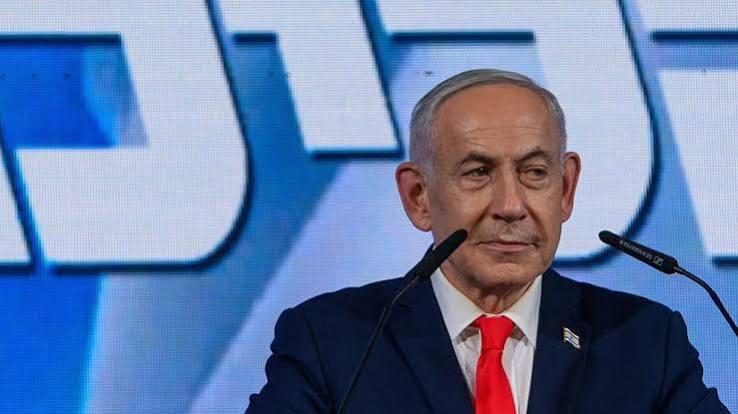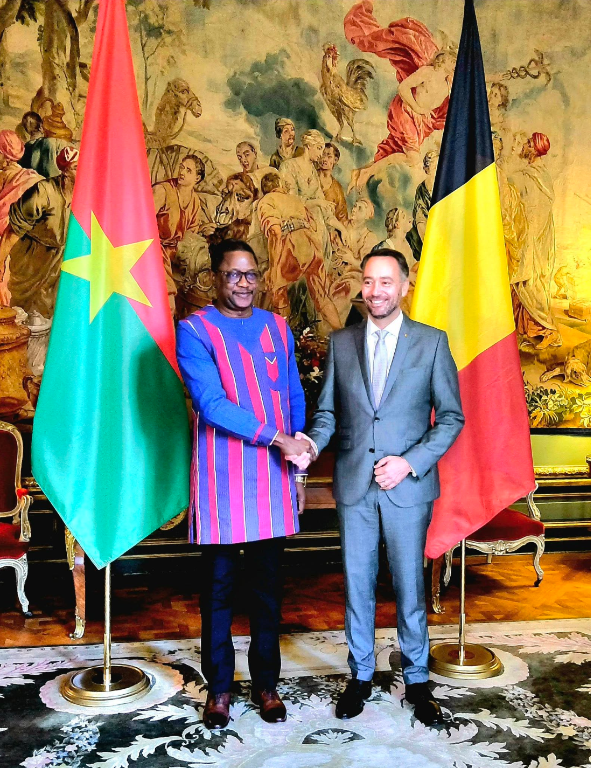
In a pivotal visit to Brussels on November 4 and 5, 2026, Burkina Faso’s Foreign Minister, Karamoko Jean-Marie Traoré, secured a landmark financial pledge from Belgium: €40 million in development aid for the post-2027 period. This announcement marks a decisive turning point in the bilateral relationship, coming at a time when Ouagadougou’s ties with Western capitals have grown increasingly strained.
Far from signaling a reversal of Burkina Faso’s stance on sovereignty, the €40 million commitment underscores the delicate balance between asserting independence and maintaining essential international partnerships. The pledge, made through Belgium’s International Cooperation Agency (Enabel), promises to sustain collaboration in critical sectors such as healthcare, education, and rural development, even as geopolitical alignments shift.
From diplomatic tensions to renewed cooperation
Foreign Minister Traoré’s visit to Brussels was not merely ceremonial. It unfolded against a backdrop of heightened political friction between Burkina Faso and its traditional Western allies, including France and the European Union. Yet, the Belgian government’s decision to extend financial support—despite these tensions—demonstrates that economic cooperation can coexist with political dissent.
The €40 million commitment extends the existing 2023-2027 cooperation program, which allocated €34.5 million to Burkina Faso. While the funds are earmarked for future projects rather than immediate disbursement, they send a clear signal: Belgium remains invested in Burkina Faso’s stability and development, even as Ouagadougou diversifies its alliances.
Sovereignty vs. necessity: Can Brussels and Ouagadougou find common ground?
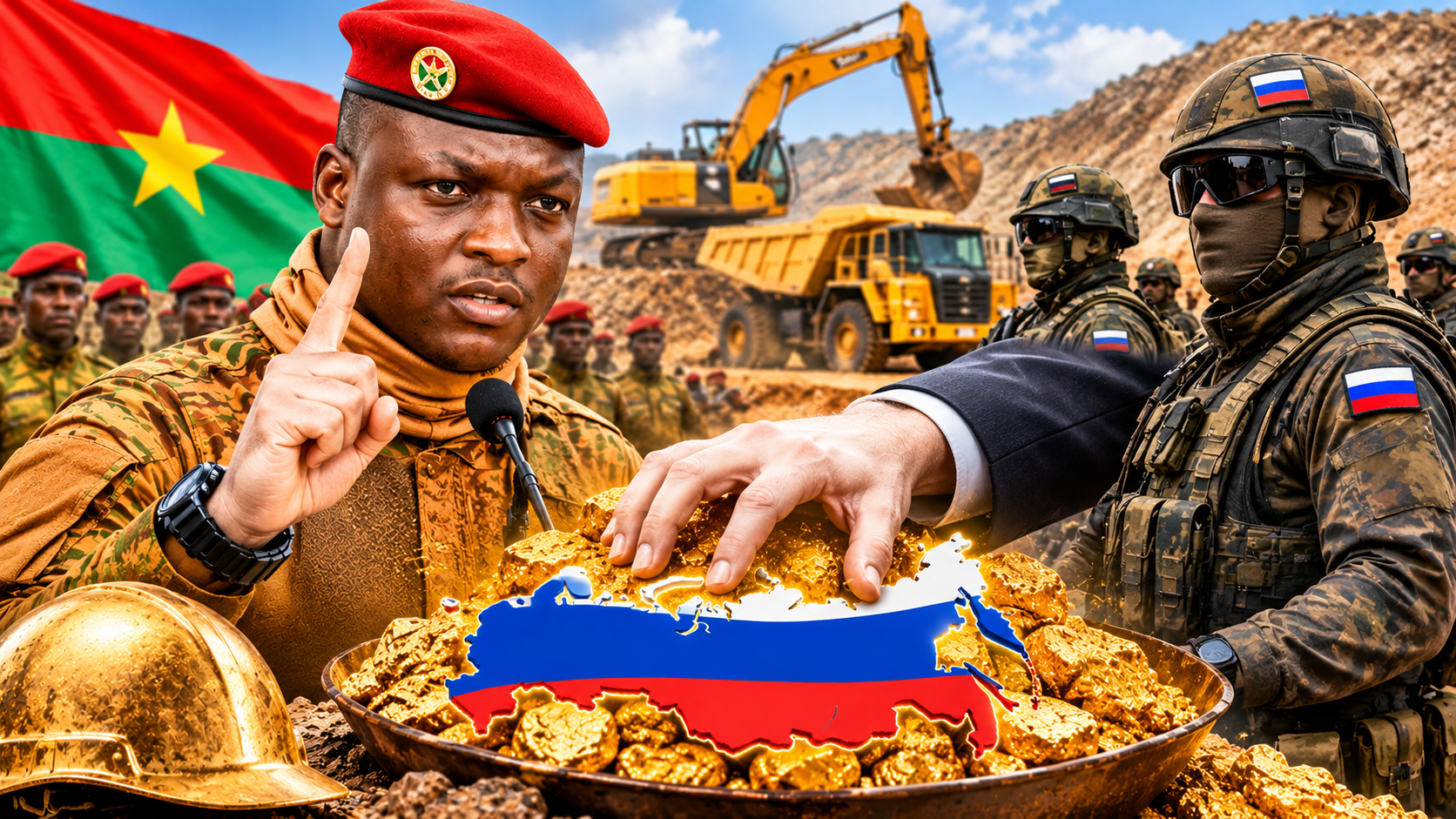
The Burkina Faso-Belgium dynamic reflects a broader paradox in global diplomacy today. President Ibrahim Traoré has positioned himself as a champion of national sovereignty, notably by reducing dependence on former colonial powers and expanding ties with Moscow. Yet, the country’s economic and social challenges—exacerbated by security threats and regional instability—demand external support.
This tension between rhetoric and reality is palpable in the Belgian aid pledge. For Brussels, maintaining dialogue with Burkina Faso is a strategic move in a region where jihadist violence and political instability threaten to destabilize the Sahel. For Ouagadougou, the €40 million represents a lifeline—one that allows it to pursue development goals without conceding to political pressures.
Analysts suggest this arrangement is less about ideological alignment and more about pragmatic diplomacy. Burkina Faso can critique Western policies while still accepting financial aid, provided it serves domestic priorities. Belgium, in turn, avoids a complete rupture, preserving influence in a country where other global players—notably Russia and China—are expanding their footprint.
A turning point for Burkina Faso’s foreign policy?
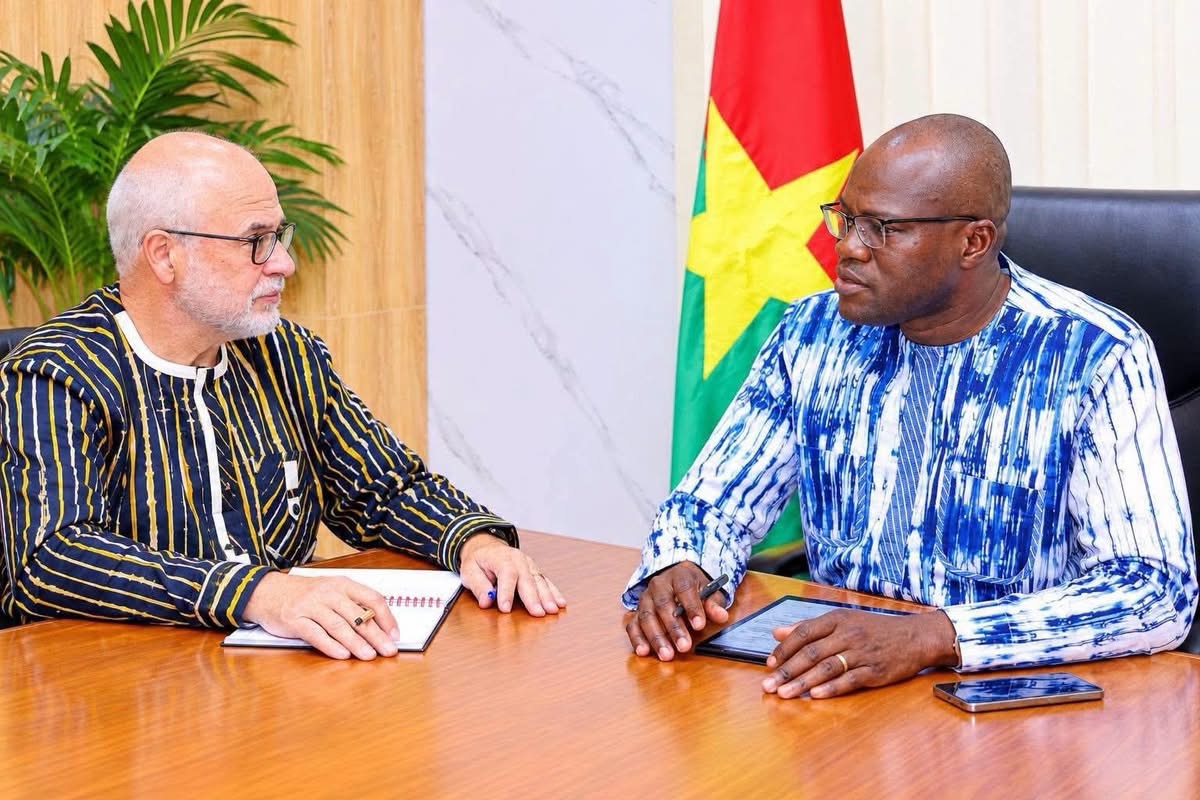
While the €40 million aid package is a significant development, it does not yet signal a full-blown diplomatic realignment. The visit between Traoré and Belgian Foreign Minister Maxime Prévot yielded discussions on regional security, economic cooperation, and sustainable development—all areas where mutual interests persist despite political disagreements.
Traoré also met with Kaja Kallas, the EU’s High Representative for Foreign Affairs and Security Policy, further emphasizing Burkina Faso’s willingness to engage with European institutions—albeit on its own terms. These exchanges suggest that Ouagadougou is not seeking to isolate itself from the West but rather to redefine its partnerships on more balanced terms.The question now is whether this momentum will translate into long-term cooperation. For Belgium, the path forward may involve navigating Burkina Faso’s shifting alliances without compromising its own values. For Burkina Faso, the challenge lies in leveraging foreign aid to reduce vulnerabilities while asserting its autonomy—a delicate balance that President Traoré’s government is still refining.
What’s next for Burkina Faso-Belgium relations?
The €40 million aid announcement is just the beginning. For Brussels, the next steps could include expanded trade agreements, joint infrastructure projects, or increased investment in renewable energy—sectors where both countries stand to benefit. For Ouagadougou, the focus will be on ensuring that these funds reach the communities most in need, particularly in conflict-affected regions.
One thing is clear: the Burkina Faso-Belgium relationship is entering a new phase—one defined by resilience, adaptability, and the pursuit of shared goals amid uncertain geopolitical waters. Whether this partnership can weather future storms remains to be seen, but for now, both sides appear committed to turning a page.