After ueno bank collapse triggers nationwide turmoil, Santiago Peña steps down
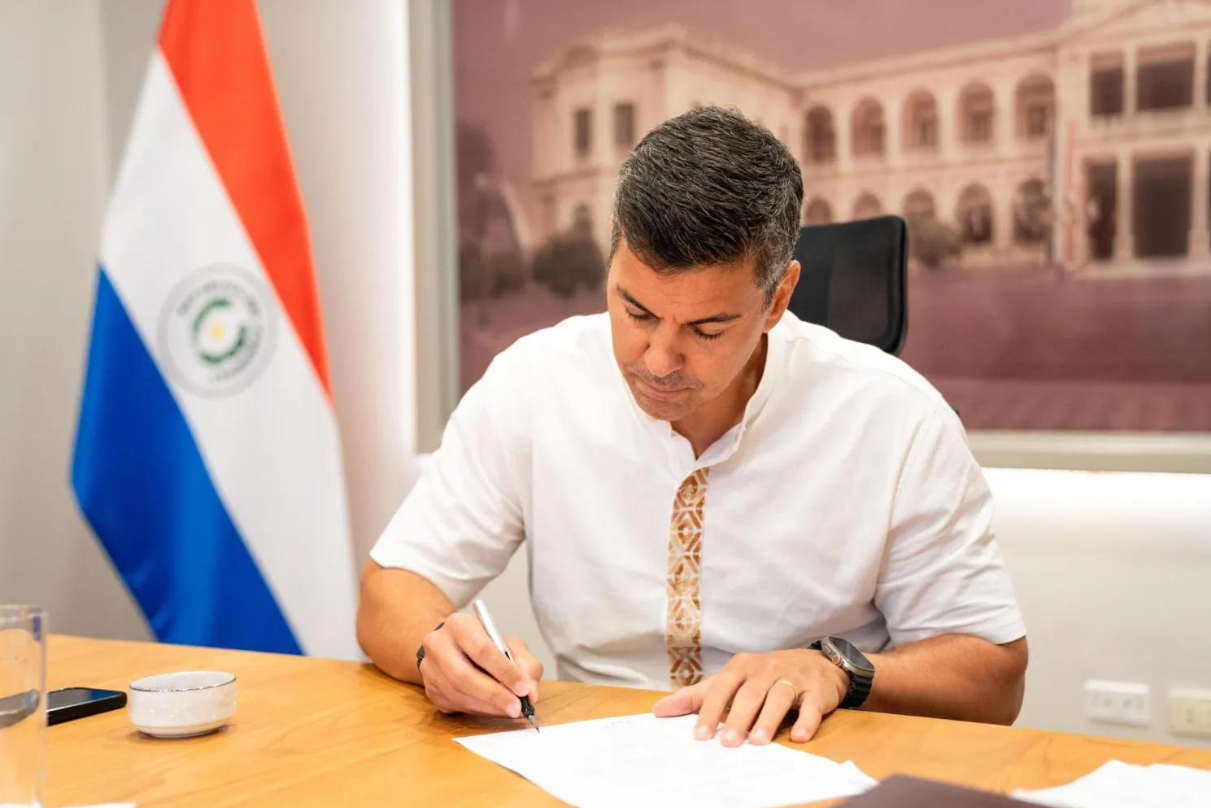
Asunción, 2026 — Under the weight of a devastating banking scandal, soaring public anger, and an imminent impeachment vote, Paraguayan President Santiago Peña has resigned, sending the nation into uncharted political and financial waters. His announcement Thursday marked a sudden and dramatic turning point for a leader whose presidency is now overshadowed by the catastrophic fall of Ueno Bank.
In a televised address, Peña cited the need to preserve national stability, social peace, and democratic institutions as his reasons for stepping down. “I have made the decision to submit my resignation from the presidency,” he stated, moments before lawmakers were set to vote on his removal.
From financial instability to political earthquake
The collapse of Ueno Bank did not begin as a political crisis — but it quickly became one. The seizure of the financial institution by Paraguay’s Central Bank exposed severe solvency issues, triggering a domino effect that has now upended the nation’s leadership.
Once hailed as one of the country’s most trusted banks, Ueno served nearly 3 million customers in a nation of 6 million people. But its financial health had deteriorated rapidly, with its solvency ratio plunging below the 50% regulatory threshold — rendering it unable to meet its obligations.
The sudden freeze on withdrawals left millions of depositors stranded, unable to access savings, wages, or essential payments. The damage extended beyond private accounts: Ueno managed critical public funds, including social security and pension payments totaling hundreds of millions of dollars.
A wave of national protests erupted across Asunción, with depositors, retirees, and workers taking to the streets in anger. The crisis had evolved from a banking failure into a crisis of trust — in government, in regulators, and in the institutions meant to protect the people.
Shadows of conflict: Peña’s past ties to ueno spark controversy
The president’s earlier financial involvement with the group that once controlled Ueno Bank has intensified scrutiny and fueled accusations of conflict of interest. Peña had previously held shares in the economic group before divesting in 2025, but questions linger about potential influence and regulatory leniency.
Opposition leaders accuse him of enabling the bank’s exposure to excessive risk, neglecting crucial oversight alerts, and prioritizing private interests over public welfare. While these claims are still under formal review, they have significantly weakened Peña’s standing and hastened his downfall.
Adding to the sense of systemic failure, the Central Bank’s former governor, Carlos Carvallo — a former Ueno executive — resigned amid growing concerns over regulatory oversight and independence. His departure underscored the depth of institutional vulnerability exposed by the crisis.
Impeachment vote seals Peña’s fate
The political pressure reached a boiling point when opposition legislators filed impeachment charges against both President Peña and Vice President Pedro Alliana. The move gained momentum as senior members of the ruling Colorado Party withdrew their support — a fatal blow to Peña’s ability to govern.
On the same day as his resignation announcement, the Chamber of Deputies voted to impeach Peña, according to legislative records. The Senate is expected to complete the constitutional process in the coming days.What began as a banking emergency has spiraled into a full-blown constitutional crisis, raising urgent questions about governance, transparency, and accountability in Paraguay.Pedro Alliana inherits a nation in crisis
With the presidency now vacant, Vice President Pedro Alliana assumes the leadership of a country facing multiple urgent challenges: restoring public trust in the banking system, securing depositors’ funds, safeguarding public finances, and delivering justice in the Ueno affair.
Authorities have pledged accelerated repayments to affected depositors, while judicial inquiries target key executives at the failed bank. Yet the deeper challenge remains: rebuilding faith in Paraguay’s institutions after this unprecedented institutional collapse.
The nation, long praised as a model of economic stability and investor confidence in the region, now faces an existential moment. The fall of Ueno Bank is not just a financial disaster — it is a reckoning for Paraguay’s governance.
A presidency erased, a country tested
For Santiago Peña, resignation ends a presidency defined not by policy achievements but by the specter of scandal. For Paraguay, it opens a precarious chapter where economic stabilization and democratic restoration are equally vital.
One truth stands clear: this crisis is not merely temporary. Its ripple effects will reshape the political landscape for years, redefining how Paraguayans view their leaders, their banks, and the very idea of trust in public life.