Drone assault on Novokouïbychevsk refinery signals a strategic shift in the conflict
In a decisive escalation of the war, Ukrainian drone strikes have set ablaze the Novokouïbychevsk refinery in Russia’s Samara region, marking a significant shift in the conflict’s dynamics. The attack, which followed a deadly Russian drone strike on a Dnipro railway station, underscores the intensification of long-range assaults on critical infrastructure—both military and civilian—with no end to the reciprocal violence in sight.
A dual blow: Railways and refineries become battlegrounds
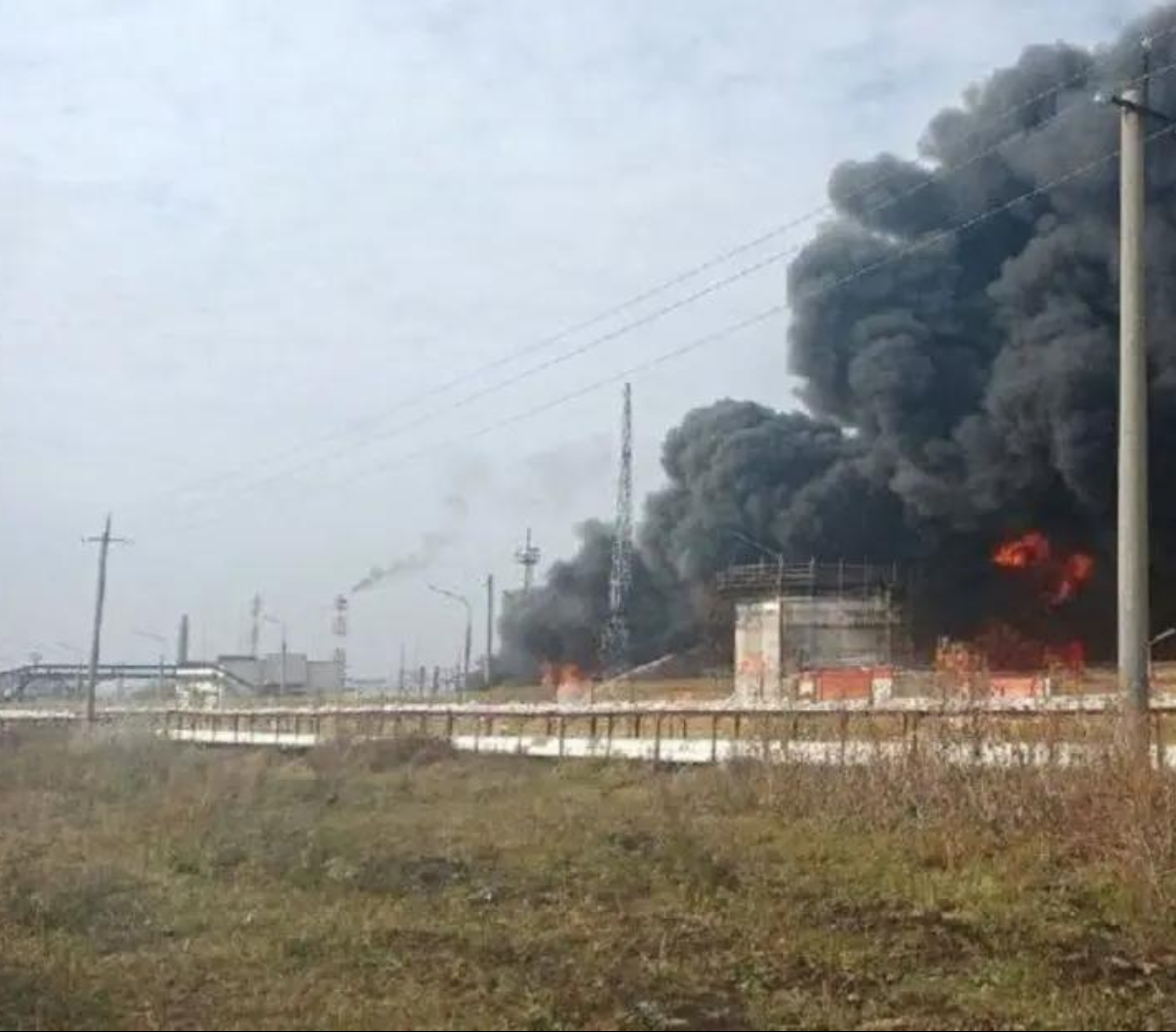
The Novokouïbychevsk refinery, a key node in Russia’s energy infrastructure operated by Rosneft, suffered a catastrophic fire after being targeted in the early hours of October 30. Local reports describe towering black smoke plumes rising over the facility, while regional authorities confirmed the attack without providing detailed damage assessments. Though the full extent of the destruction remains unclear, the blaze signals Ukraine’s expanding campaign to cripple Russia’s economic lifelines.
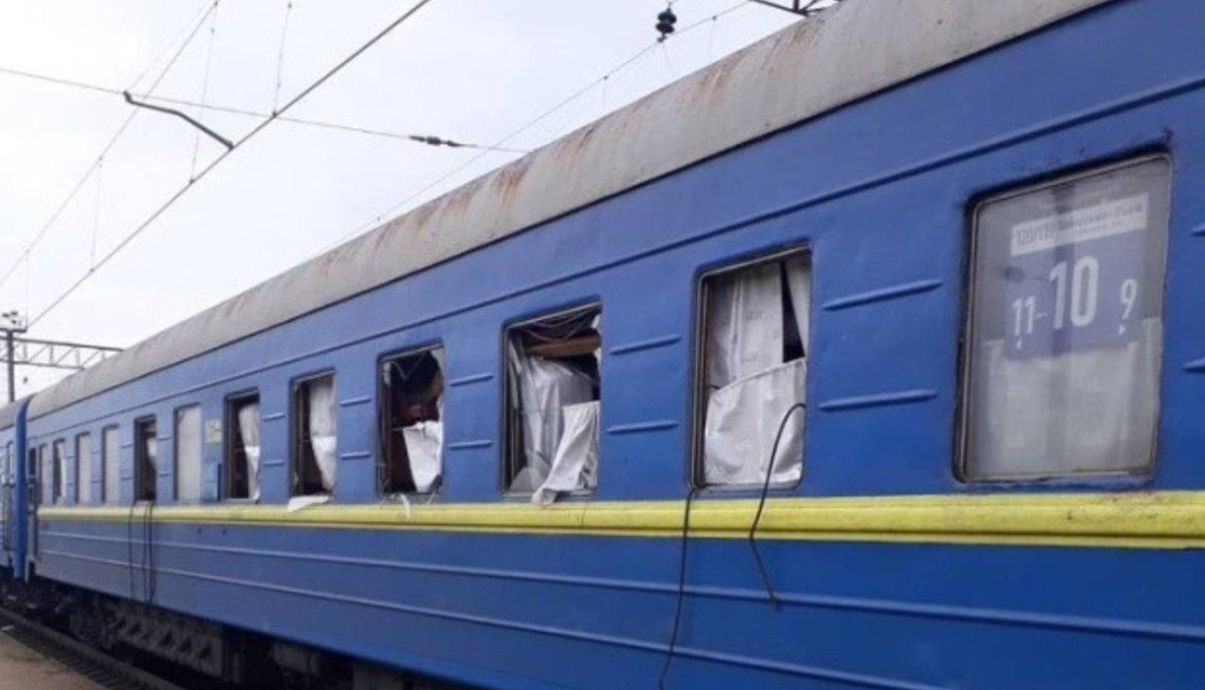
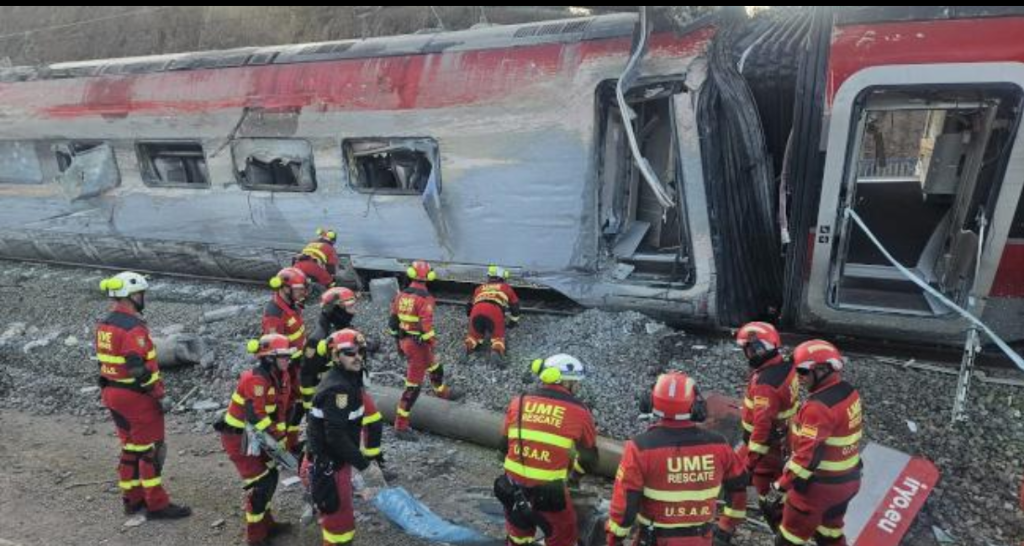
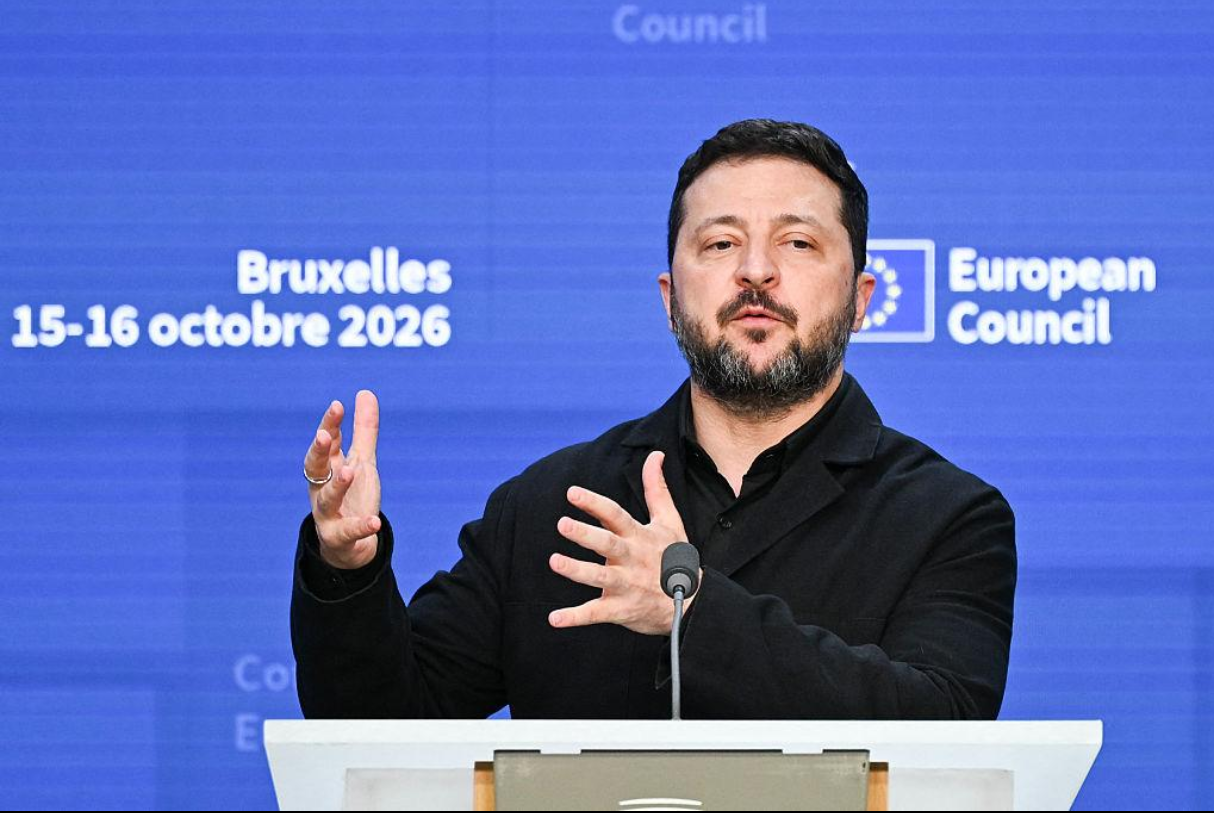
The strike comes just hours after a Russian drone attack on Dnipro’s railway station in central Ukraine, where at least 14 civilians were killed, including an 11-year-old child. The assault on the bustling station left two passenger trains in ruins, with graphic images showing shattered windows and emergency crews sifting through debris. Ukrainian President Volodymyr Zelensky condemned the attack as a blatant violation of civilian safety, urging Western allies to escalate pressure on Moscow.
Energy infrastructure in the crosshairs: Why refineries matter
Ukraine’s focus on striking Russian oil refineries is no accident—these facilities are the backbone of Moscow’s war machine and economic resilience. The Novokouïbychevsk plant processes millions of tons of crude annually, producing jet fuel and other critical fuels that power Russia’s military and civilian sectors. Its repeated targeting suggests a deliberate strategy to erode Russia’s capacity to sustain its war effort.
Meanwhile, Russia has also ratcheted up attacks on Ukraine’s energy grid, leaving millions without power and disrupting essential services. The reciprocal targeting of infrastructure—railways, refineries, and power grids—has transformed the war into a contest of endurance, where civilians bear the heaviest burden. In Dnipro, the aftermath of the strike left communities reeling, with survivors recounting the horror of the sudden attack.
No diplomatic off-ramp in sight as strikes escalate
Despite growing calls for de-escalation, the simultaneous attacks on Dnipro and Novokouïbychevsk reveal the deepening impasse in negotiations. Reports of U.S. pressure on Kyiv to pause strikes on Russian refineries highlight the complexity of balancing military strategy with diplomatic efforts. Yet Ukraine’s latest operation demonstrates that Moscow’s energy sector remains firmly in the crosshairs.
As drones evolve with longer ranges and greater precision, the war’s reach extends far beyond the front lines. No longer confined to military sites, these attacks now threaten industrial hubs and civilian hubs alike. With both sides locked in a cycle of retaliation, the prospect of peace remains distant for the populations caught in the crossfire.
What’s next for the energy war?
The Novokouïbychevsk blaze is more than an isolated incident—it’s a turning point that could reshape the conflict’s trajectory. If Ukraine sustains its offensive on Russia’s energy infrastructure, Moscow may face mounting pressure to divert resources from the battlefield to protect critical facilities. Yet the civilian toll—seen in the wreckage of Dnipro’s railway station and the smoke over Samara—serves as a grim reminder that war’s human cost is escalating in tandem with its technological sophistication.