UN vote reveals shifting diplomatic currents over Cuba embargo
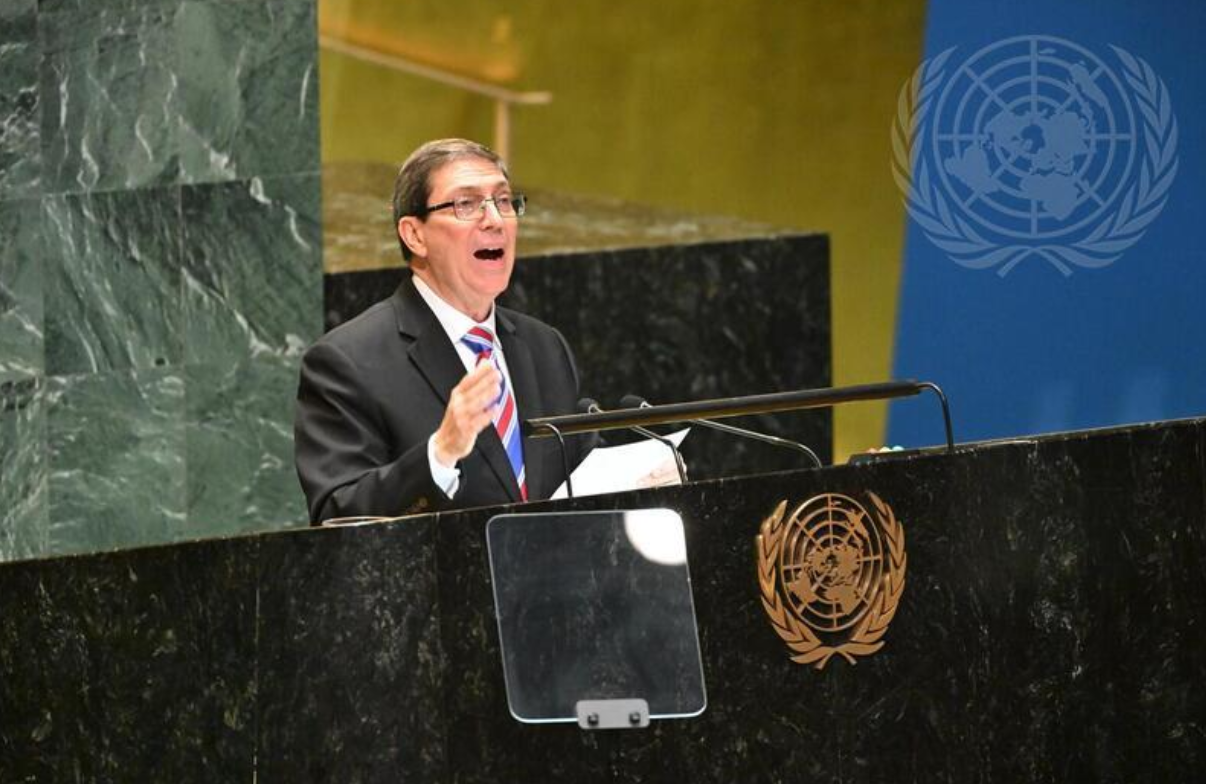
In a decisive moment at the United Nations, Member States delivered a clear message on October 28, 2026, by adopting a resolution calling for the end of the decades-long U.S. embargo on Cuba. The vote—130 in favor, 17 against, and 25 abstentions—revealed a growing but fragmented global consensus. Yet it was Morocco’s singular stance that captured global attention, marking the only African nation to oppose the resolution and underscoring a potential realignment in continental diplomacy.
A strategic break from African consensus
Traditionally, African countries have stood united in supporting Cuba at the UN, advocating for an end to unilateral economic sanctions. From Angola to Senegal, capitals across the continent have echoed Havana’s call for sovereignty and non-interference. Morocco’s vote against the resolution, however, signals a departure from this longstanding alignment. While 130 nations endorsed lifting the embargo—a drop of 35 votes compared to last year—Morocco joined a small group of opponents, including the United States and Israel, in rejecting the text.
Analysts suggest this shift may reflect evolving priorities. Morocco, a strategic partner to both the U.S. and several Gulf states, could be recalibrating its foreign policy to align with new geopolitical realities. But without an official explanation, the move remains shrouded in ambiguity, raising questions about its long-term implications for Morocco’s role in Africa and on the global stage.
From abstention to opposition: a notable reversal
What makes Morocco’s position even more striking is its evolution from the previous year. In 2025, the country abstained. This year, it voted against, joining countries like Germany and Italy, which also switched from support to opposition. The shift coincides with intensified U.S. lobbying efforts to undermine the resolution, as Washington seeks to reduce international pressure on its Cuban policy. While some nations may have reconsidered their stance due to bilateral pressures, others, like Morocco, appear to have made a deliberate choice—one that goes beyond mere diplomatic convenience.
Cuba’s enduring struggle and the debate over sovereignty
The U.S. embargo, first imposed in 1962, remains one of the most contentious unilateral measures in modern diplomacy. Washington argues it is a response to human rights violations and Cuba’s political system. Havana, in turn, condemns the sanctions as economic warfare that exacerbates food and energy shortages, deepening hardship for its citizens. The embargo restricts everything from trade to financial transactions, affecting not only Cuba but also foreign businesses operating in or with the island.
At the heart of the debate lies a fundamental question: Does economic coercion serve as a legitimate tool of foreign policy, or does it violate the sovereignty of nations? For many African states, the answer has been clear—unilateral sanctions infringe upon their collective vision of international law and self-determination. Morocco’s vote challenges this long-held belief, placing it at odds with a continental tradition that has, for decades, defended Cuba’s right to unrestricted engagement with the world.
What the resolution actually achieves—and what it doesn’t
The UN resolution, though adopted by a majority, is non-binding. It carries moral weight but no legal authority to force the U.S. to lift the embargo. That decision ultimately rests with Washington’s Congress. Still, the vote serves as a barometer of global sentiment, and its growing support—even amid fluctuations—reflects broader international fatigue with economic isolation as a foreign policy tool.
For Cuba, the 2026 vote represents another symbolic victory in its decades-long campaign to isolate the embargo diplomatically. Yet without concrete changes in U.S. policy, the resolution’s impact remains limited. Morocco’s decision to oppose it, however, sends a different signal—one that may resonate far beyond the confines of the General Assembly.
What’s next for Morocco’s diplomatic identity?
Morocco’s vote raises more questions than it answers. Is this a temporary tactical move, or the start of a new foreign policy direction? Will Rabat face pressure from fellow African nations? Could this signal a broader realignment in North-South relations, where traditional alliances are being tested by new economic and security priorities?
One thing is certain: in an era of shifting global power structures, Morocco’s choice to stand apart on a longstanding issue has drawn attention. Whether it foreshadows a larger continental divide or remains an isolated incident will depend on future diplomatic developments—and on Rabat’s willingness to clarify its position in the months ahead.