The Benin–UAE trade partnership has reached a pivotal moment, unlocking unprecedented opportunities for local industries, farmers, and entrepreneurs. With over 3,000 products set to enter the UAE market duty-free, this agreement marks a decisive shift in Benin’s economic trajectory, promising new export routes, job creation, and rural income growth.
From negotiations to action: a deal with transformative potential
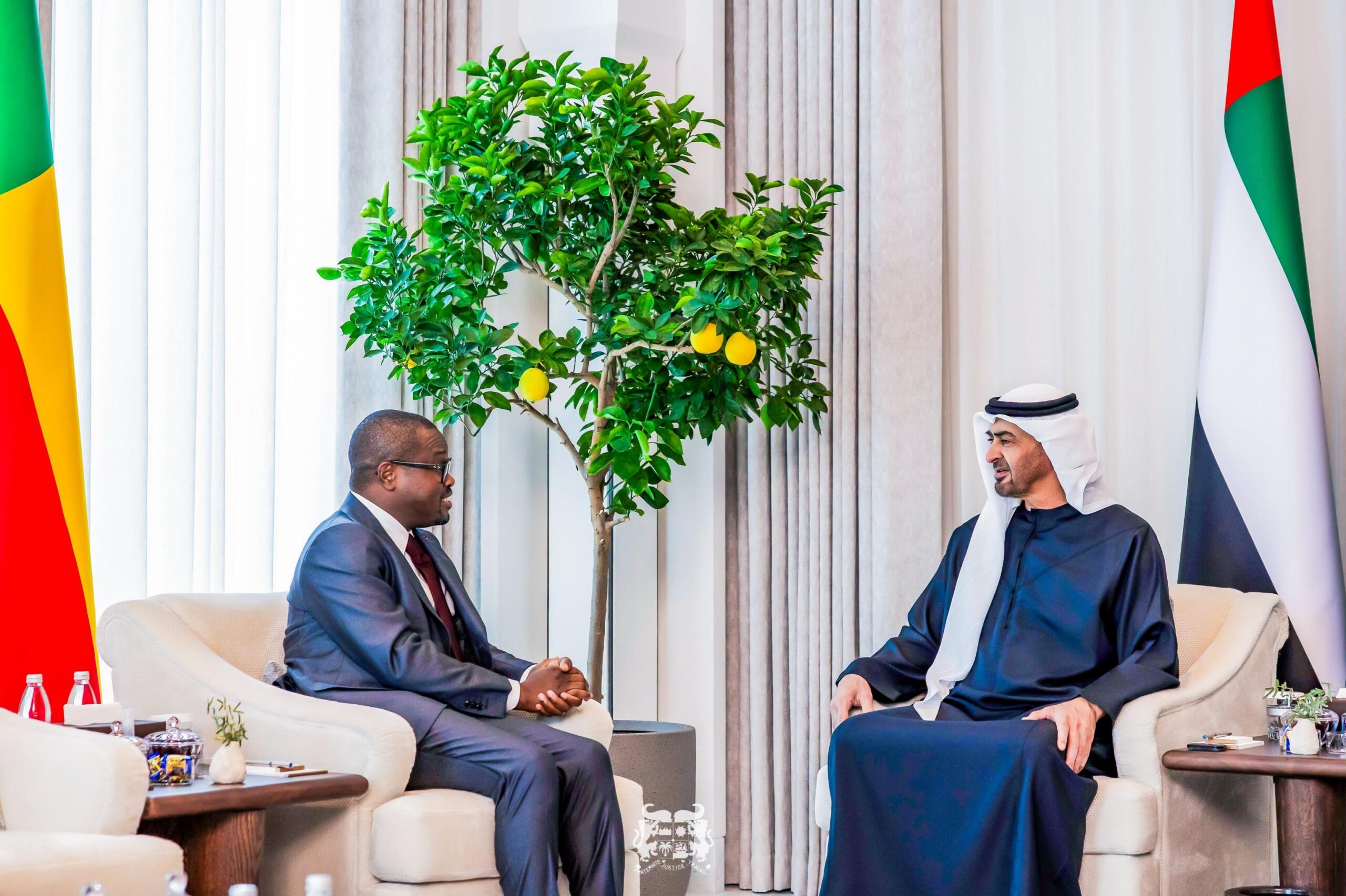
During a high-level visit to Abu Dhabi, Benin’s Finance Minister Romuald Wadagni joined UAE leaders to finalize a groundbreaking economic partnership that eliminates tariffs on thousands of Beninese goods. The agreement reflects a shared commitment to deepen trade ties, reduce barriers, and position Benin as a key supplier in the Gulf market.
While the pact holds immense promise, its full benefits will depend on swift ratification and implementation. Industry leaders emphasize that timing matters—delayed enforcement could stall the anticipated economic momentum. Yet, with UAE-Al Nahyan leadership visibly backing the initiative, the stage is set for accelerated progress.
Key sectors prime for growth under the new deal
The duty-free access could supercharge several of Benin’s most promising sectors:
- Cotton and textiles – Positioning Benin as a high-quality supplier to a market that values premium fabrics.
- Cashews and agro-processing – Enabling smallholder farmers to access higher-value markets for their raw and processed products.
- Shea butter and natural products – Expanding demand for sustainable, organic goods in the UAE’s beauty and wellness sector.
- Soybean derivatives – Enhancing competitiveness for food manufacturers targeting Middle Eastern consumers.
A major test will be whether Benin can move beyond raw material exports. Transforming agricultural output into finished goods—like packaged foods, textiles, and processed shea—could capture greater value and reduce reliance on volatile commodity prices.
Local jobs and income: the human impact of trade expansion
Beyond corporate balance sheets, the deal could ripple through local economies, reaching communities where it matters most:
- Rural cooperatives may see increased orders for cashews or cotton, boosting farmer incomes.
- Women-led agro-businesses, which dominate small-scale processing, could expand into formal export channels with proper training and certification.
- Logistics and transport workers in ports and warehouses may face rising demand as trade volumes climb.
- Young professionals in manufacturing, quality control, and export logistics could find new career paths in growing agri-industrial zones.
The challenge now is ensuring these gains reach the ground. Small businesses must secure financing, upgrade facilities, and meet stringent UAE sanitary and technical standards—barriers that can exclude less-prepared exporters.
Numbers that tell the story: trade momentum before the deal
Trade data reveals why both countries are doubling down on this partnership:
- Bilateral trade (excluding oil) surged to $2.15 billion in 2025—up 65% from 2024.
- In the first half of 2026 alone, exchanges hit $1.29 billion, growing 37.4% year-over-year.
- UAE officials project Beninese exports could rise by over $100 million by 2033, driven by non-oil goods.
These trends predate the latest pact, suggesting underlying demand. The new agreement could amplify this momentum—but only if Benin strengthens its supply chains and export readiness.
Beyond tariffs: unlocking investment and innovation
While duty exemptions grab headlines, the broader partnership aims deeper. UAE investors have expressed interest in sectors like:
- Renewable energy infrastructure—Benin’s solar potential aligns with UAE’s clean energy goals.
- Agri-tech and cold-chain logistics—to preserve perishable goods during transit.
- Light manufacturing—establishing assembly plants near ports to process exports on-site.
Such investments could transfer skills, modernize local industries, and create high-skilled jobs, diversifying Benin’s economy beyond agriculture.
The road ahead: turning potential into prosperity
For every success story of trade deals gone wrong, there’s one where preparation meets opportunity. To capitalize on this moment, Benin must:
- Invest in quality control – Ensuring products meet UAE’s strict safety and labeling standards.
- Expand financing access – Supporting SMEs through low-interest loans and export credit guarantees.
- Train the workforce – Preparing farmers, processors, and logistics teams for international markets.
- Streamline logistics – Reducing transit times and costs between Benin’s farms and UAE shelves.
Public and private sectors must collaborate closely. Government agencies can negotiate infrastructure upgrades, while industry associations can organize certification workshops and buyer-seller matchmaking events.
The Benin–UAE trade accord isn’t just about tariff cuts—it’s a catalyst for systemic change. If executed well, it could redefine Benin’s role in global trade, turning its agricultural strengths into industrial power and its rural workforce into a skilled export force. The breakthrough is here. The question is whether Benin will seize it.