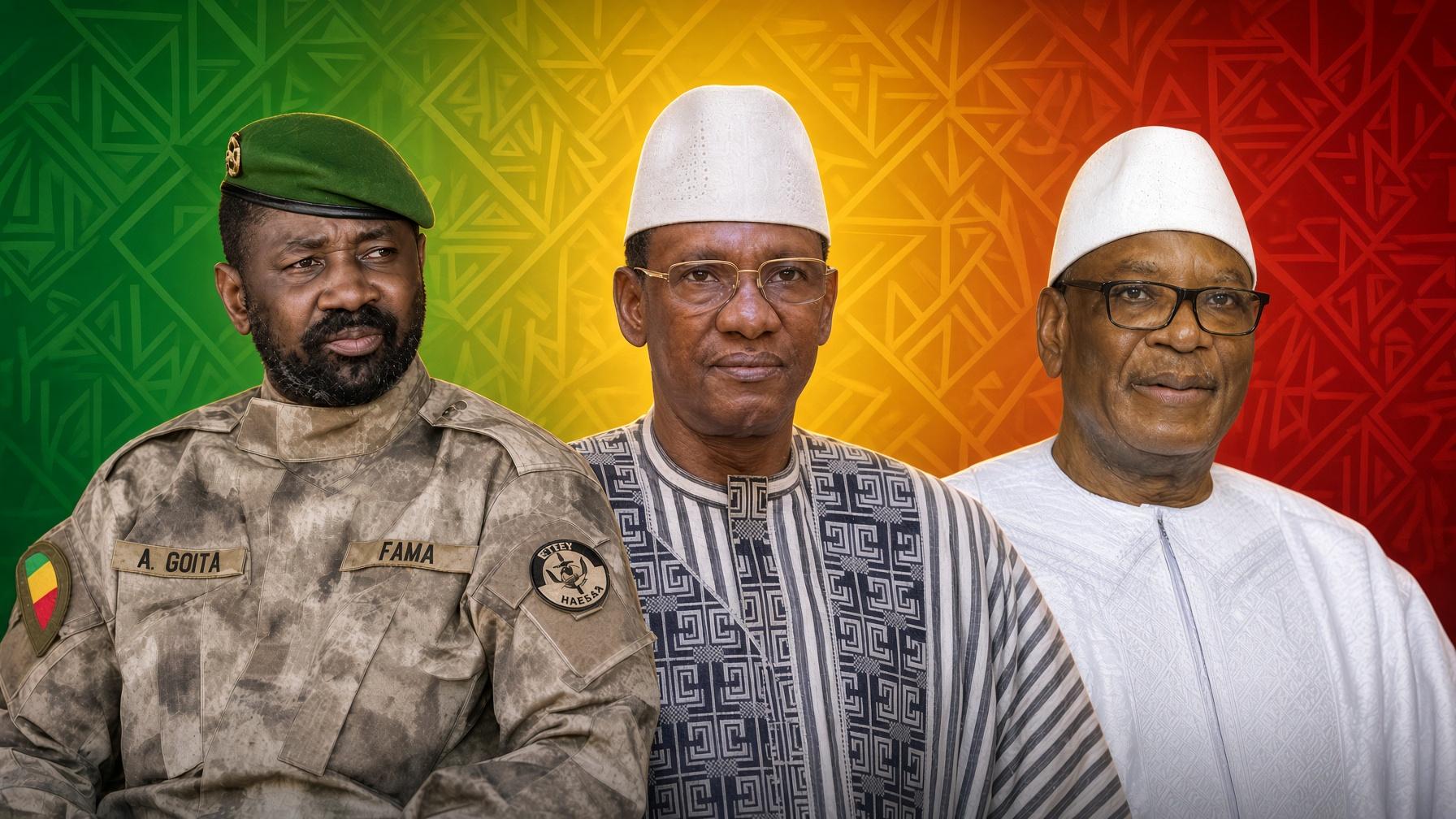
The once-dominant political figures of Mali, who once controlled government appointments, dominated television debates, and filled conference halls for decades, have not merely lost influence under General Assimi Goïta’s military rule—they have been systematically erased from the national stage. What began as a campaign to address widespread dissatisfaction with three decades of democratic governance has evolved into a sweeping purge of the political elite, leaving the country’s traditional power brokers silenced, scattered, and irrelevant.
From dominance to disappearance: the strategic dismantling of Mali’s political class
The trajectory of Mali’s political elite—from influential kingmakers within parties like ADEMA, RPM, and URD to marginalized figures in exile—reflects a deliberate and multi-pronged strategy of neutralization implemented by the junta. This campaign has been executed with surgical precision, targeting not only individual leaders but the very foundations of multi-party democracy that once defined Malian politics.
This transformation didn’t happen overnight. It represents the culmination of years of mounting public frustration over endemic corruption, chronic mismanagement, and the inability to curb escalating insecurity. By framing the nation’s woes as the exclusive fault of the traditional political class, General Goïta positioned himself not just as a reformer, but as the sole credible architect of Mali’s future—ushering in a new era where old political structures have been forcibly retired.
Three strategies of exclusion: prison, exile, and enforced silence
The junta’s approach to dismantling the political opposition has unfolded along three clear but interlocking pathways—each designed to eliminate dissent, disrupt continuity, and discourage future resistance.
Judicial persecution as a tool of control
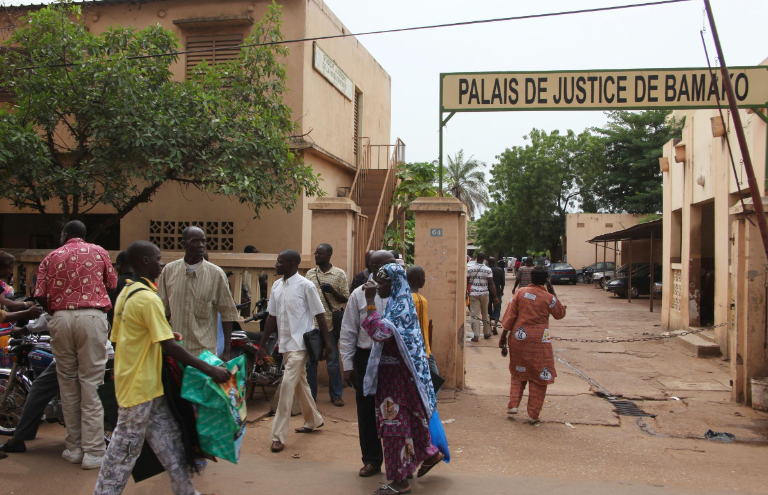
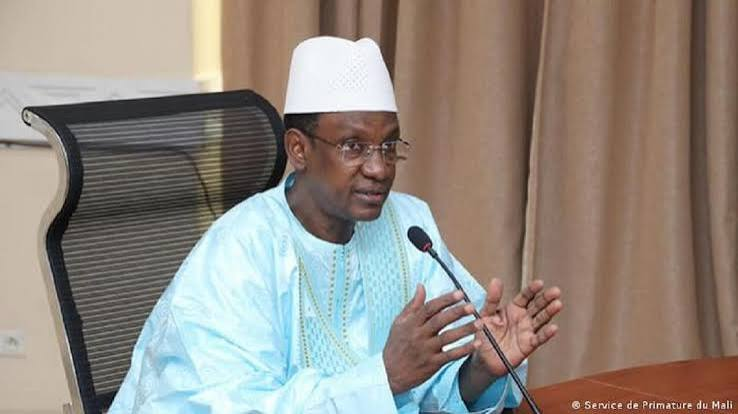
The courts have become instruments of political containment. High-profile figures—once central to Mali’s governance—now face prolonged detention or protracted legal proceedings under charges ranging from “threats to state security” to “financial malfeasance.” Even those who once shaped the regime’s own ideological narratives, such as former Prime Minister Choguel Maïga, have not been spared. His prolonged pretrial detention, despite his prior alignment with the junta, underscores a harsh new reality: loyalty to the old system offers no protection—only the possibility of imprisonment remains.
The silence of exile: how absence speaks louder than opposition
For many in the political class, staying meant risking arrest. Forcing a choice between prison and departure, dozens of former ministers, party leaders, and civil society voices have fled to neighboring or distant capitals—Abidjan, Dakar, Paris. While they continue to coordinate from abroad, their ability to shape national discourse has been drastically diminished. Without access to domestic media or platforms, their influence is effectively neutralized in a country where the junta tightly controls the narrative through state-controlled outlets and aligned networks.
Self-censorship and survival under military rule
Those who remain in Mali face an environment of reinforced control. Political gatherings are banned. Opposition parties have been suspended. Civil society groups have been dissolved. Criticism of the regime, even in private, carries severe consequences—often framed as “treason” or complicity with “destabilizing forces.” The message is clear: speak, and you risk not just your reputation—but your freedom. In such conditions, survival often means silence, and silence has become the unofficial currency of political life in Bamako.
From scapegoat to system: how the junta turned public anger into institutional lock-in
The junta’s campaign against the political elite was not launched in a vacuum. It was fueled by years of growing public disillusionment with a political class widely viewed as corrupt, self-serving, and ineffective in the face of escalating jihadist violence and regional instability. By positioning itself as the antidote to this failure, the military leadership tapped into deep-seated national fatigue and redirected it against the old guard.
Yet what began as a populist critique of governance has hardened into a durable institutional shift. Elections have been indefinitely postponed. Democratic institutions have been sidelined. Transitional bodies with carefully curated memberships have been installed to oversee the country’s future—bodies from which the traditional opposition has been systematically excluded. In essence, the junta has not just removed the old players—it has rewritten the rules of engagement, ensuring that political power flows only through channels it approves.
A nation without political leaders: the risks of a hollowed-out democracy
The strategic removal of Mali’s political heavyweights has created a stark paradox: stability without legitimacy, authority without representation. While the junta has succeeded in silencing immediate dissent, it has also extinguished the possibility of constructive debate, institutional renewal, and peaceful political competition. In the absence of a structured opposition, the country confronts a vacuum in leadership and accountability.
More concerning still is the long-term danger posed by a political landscape stripped of its elders, mentors, and experienced negotiators. Without a functioning opposition or emerging generation of leaders, the risk is not just stagnation—but a dangerous concentration of power in the hands of a military elite increasingly isolated from the civic and economic realities of the nation they claim to serve.
As Mali stands at this turning point, one question remains unanswered: can a nation truly be rebuilt without its political architects—or will the silencing of the old guard only deepen the silence of the future?