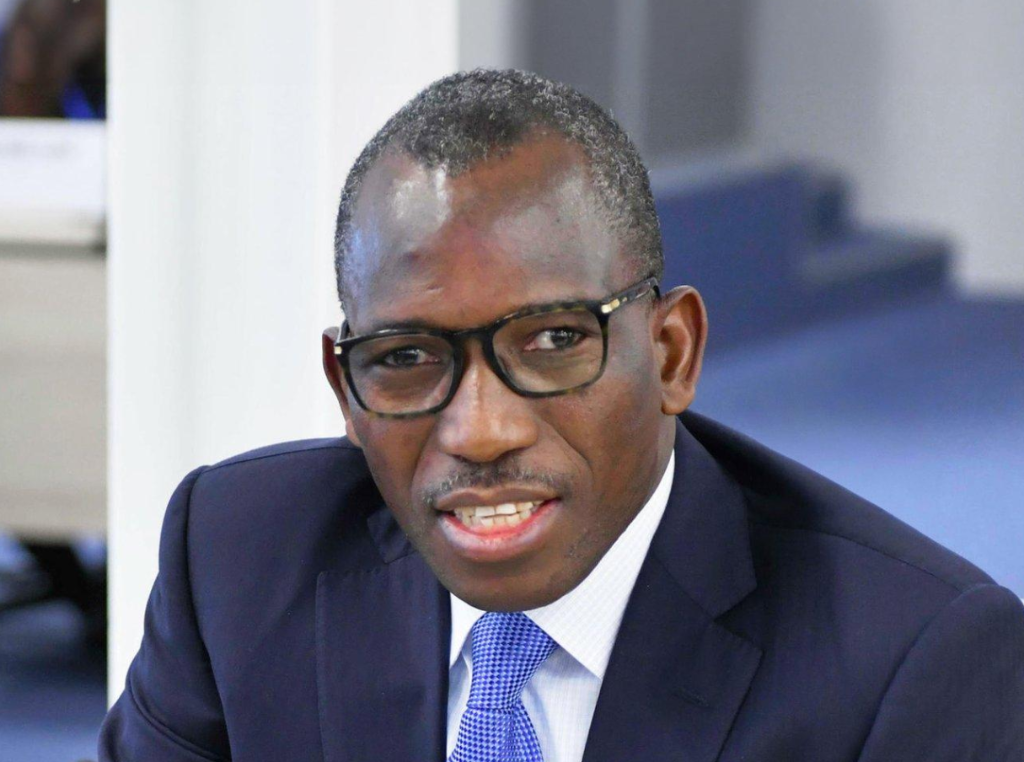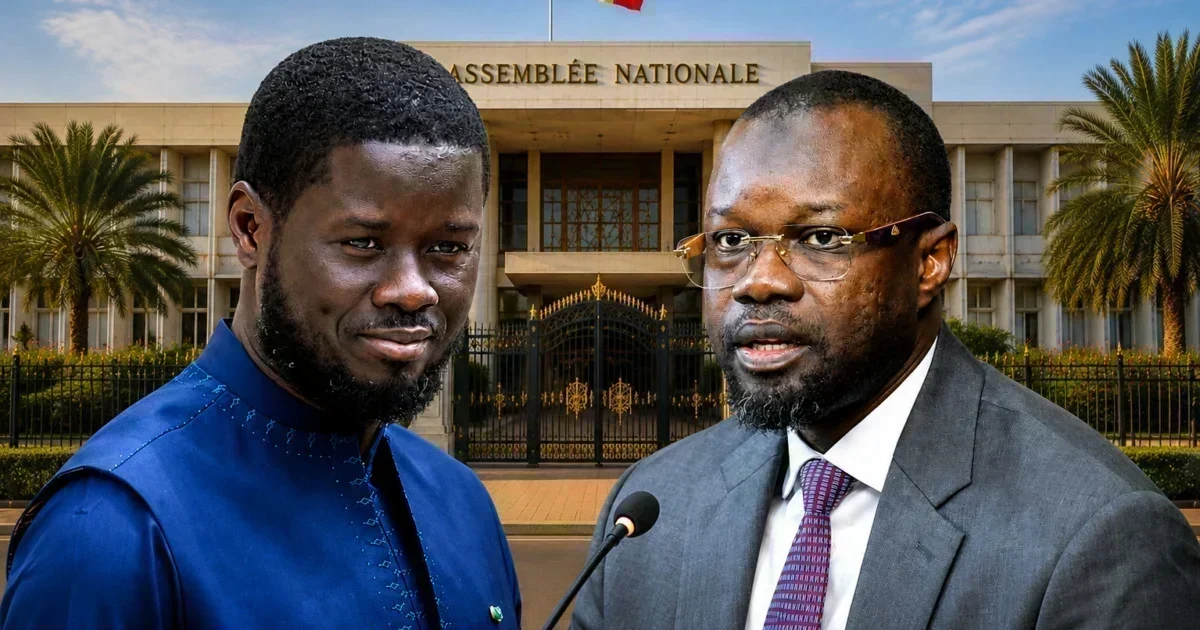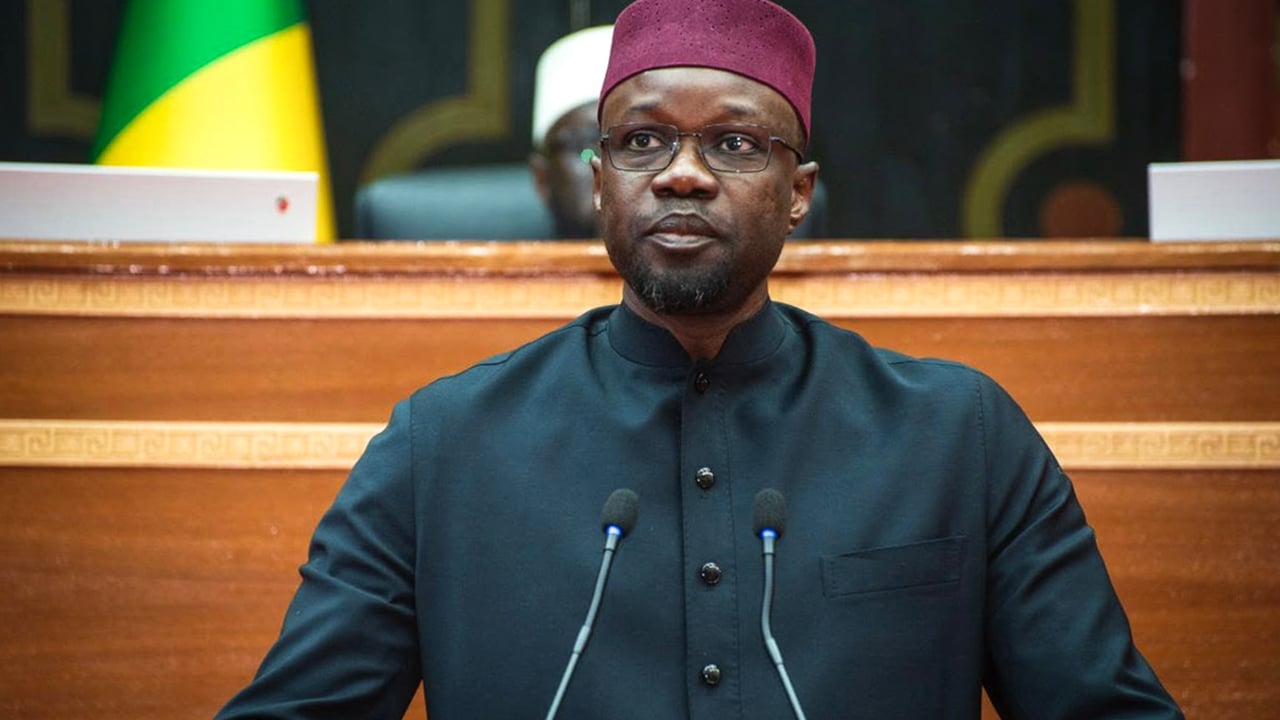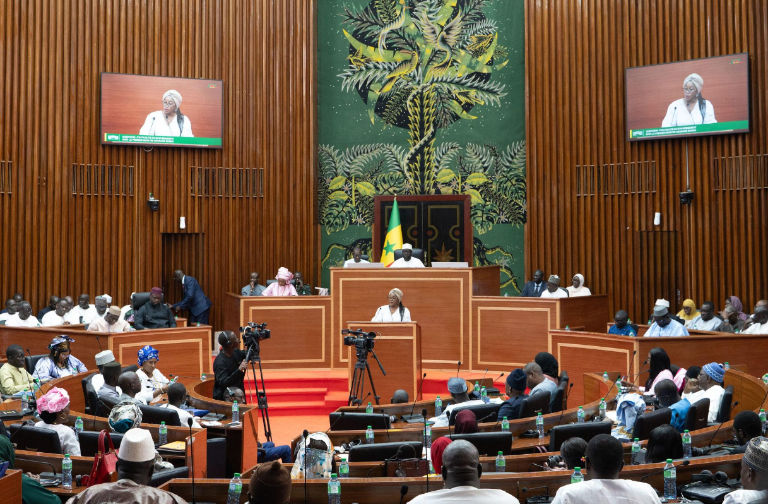
With a critical parliamentary vote looming, Senegal’s government faces an unprecedented challenge: securing approval for its revised budget from its own ruling party’s lawmakers. The rejection of the finance bill by the Pastef bloc in committee has shifted the political landscape, forcing Prime Minister Ahmadou Al Aminou Lô to scramble for a breakthrough before the full assembly debates the measure.
An unexpected political crossroads
The timing could not be worse for the executive. With economic strains mounting, the government’s ability to maintain fiscal discipline while navigating parliamentary approval has become its most pressing test. The committee rejection – coming from members of the same political coalition that controls the legislature – signals a deeper fracture within the ruling bloc that demands urgent resolution.
A watershed moment for legislative support
What makes this episode remarkable is its internal nature: a government struggling to secure backing from lawmakers who are supposed to share its political vision. The arithmetic in the National Assembly gives the Pastef bloc decisive influence, meaning their opposition could derail the entire budget adjustment effort. This is not just about numbers; it represents a fundamental challenge to how power is exercised within Senegal’s political system.
Unpacking the core dispute
The divergence appears rooted in competing priorities rather than outright disagreement with the government’s broad economic direction. While the government emphasizes fiscal discipline and resource allocation, parliamentary factions seem to be questioning specific budget choices and their impact on different segments of society. Without detailed explanations from either side, the debate remains shrouded in uncertainty.
The balancing act for the prime minister
For Ahmadou Al Aminou Lô, the challenge is double-edged: maintain fiscal responsibility while demonstrating sufficient flexibility to accommodate legitimate parliamentary concerns. The adjusted budget must reflect both economic realities and political imperatives, but finding this equilibrium will require significant diplomatic skill. Every compromise risks being seen as weakness by some quarters, while refusing to adapt could lead to legislative defeat.
The last-ditch diplomatic push
With the plenum vote approaching, the government has shifted into high diplomatic gear. The prime minister’s outreach to Pastef lawmakers represents a calculated gamble – one that could either defuse tensions or highlight the depth of the divide. The coming days will test whether Senegal’s institutions can transform disagreement into constructive dialogue before the situation escalates further.
Parliament’s pivotal role
The legislature now holds the key to Senegal’s economic stability. While opposition parties traditionally scrutinize government budgets, this internal rebellion presents a different kind of challenge. The Pastef bloc must decide whether their objections are tactical – aimed at extracting concessions – or principled enough to risk prolonging the stalemate. Their response will fundamentally shape how future budgetary processes unfold in Senegal.
Countdown to the decisive vote
The Tuesday assembly session arrives amid intense pressure on all sides. For the government, admission of failure would deal a severe blow to its credibility in managing public finances. For the dissident lawmakers, stubborn resistance could reinforce their influence but at the cost of heightened institutional friction. The broader implications extend beyond this single budget – they challenge the very foundations of executive-legislative relations in Senegal’s democracy.
What’s riding on the outcome
The immediate stakes are clear: either the revised budget passes with necessary adjustments, preserving some of the government’s key priorities, or the legislative deadlock forces more drastic fiscal measures. What’s less certain is how this power struggle will affect Senegal’s economic trajectory and social cohesion in the coming months. One thing is clear: Senegal’s political class now faces its most consequential test of leadership in years.