The West African Economic and Monetary Union (UEMOA) is charting a decisive course toward industrial transformation with a landmark phosphate-to-fertilizer initiative that positions Togo as a cornerstone of regional progress. With a 1.45 trillion FCFA investment package spanning 2026–2030, the UEMOA phosphate industrialization plan marks a turning point—one that could redefine agricultural autonomy across West Africa.
Why Togo stands at the forefront of this industrial shift
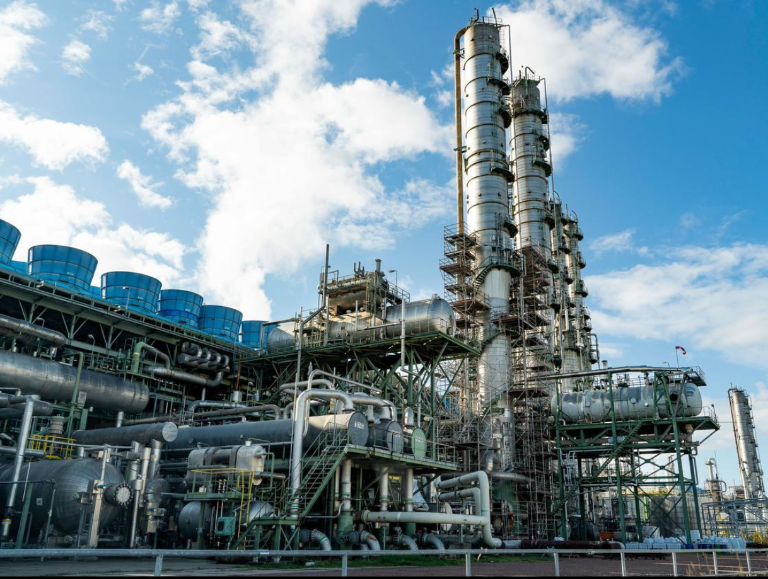
Togo has been selected as a key site for a new industrial fertilizer hub, leveraging its long-standing phosphate extraction expertise. Unlike traditional models focused solely on raw mineral exports, this project aims to catalyze local processing into high-value fertilizer components—shift from export dependency to regional self-sufficiency.
The initiative aligns with UEMOA’s IMPACT 2030 strategic plan, moving beyond national boundaries to create a cohesive, cross-border value chain. It’s not just about mining; it’s about industrialization, job creation, and food security.
More than a mine: building a full fertilizer ecosystem
While Togo’s phosphate reserves are well established, the real breakthrough lies in transforming them into intermediate products and finished fertilizers tailored to West African soils. This pivot could unlock multiple benefits:
- Local value addition: Moving from ore export to fertilizer production retains more economic value within the country.
- Agricultural productivity boost: Regionally adapted nutrient blends can improve crop yields and resilience.
- Supply chain resilience: Reducing reliance on imported fertilizers shields farmers from global price volatility.
- Industrial job growth: New plants create opportunities in engineering, logistics, and maintenance.
The strategy also includes blending units near major farming zones, ensuring fertilizers are accessible where they’re most needed.
Funding the transformation: A regional challenge
The 1.45 trillion FCFA budget is ambitious. Of this, 1.19 trillion will come from private investors, while public contributions total 239.5 billion. This split underscores a critical reality: government budgets alone can’t fund industrialization. Success hinges on mobilizing industrial partners, financial institutions, and development funds to back concrete projects.
Togo must now define clear investment frameworks, secure land rights, and streamline permitting to attract anchor industries. Speed and transparency in implementation will determine how quickly the vision becomes reality.
Regional coordination through UEMOA will ensure that Togo’s progress complements initiatives in other member states, creating a unified industrial network rather than isolated efforts.
From plan to plant: the next steps
Transforming phosphate into economic momentum requires more than approvals—it demands execution. Key milestones ahead include:
- Infrastructure readiness: Energy, transport, and utilities must scale in sync with plant construction.
- Technology transfer: Partnerships with fertilizer producers can bring advanced processing methods.
- Market alignment: Policies should incentivize use of locally produced fertilizers among farmers.
- Measurable outcomes: Clear KPIs will track fertilizer output, cost reduction, and agricultural impact.
The project’s regional scope amplifies its impact. By pooling phosphate resources, manufacturing capacity, and market access across UEMOA countries, the initiative has the potential to reduce fertilizer import dependence by 30 to 40% within the next decade.
What happens now: Togo’s role in shaping the future
The phosphate industrialization plan is not a done deal—it’s a turning point in motion. For Togo, the challenge is to turn potential into production. The country’s phosphate legacy gives it a head start, but sustained political will, investor confidence, and efficient project delivery will decide the outcome.
If successful, Togo won’t just become a phosphate exporter. It could become the engine of West Africa’s fertilizer independence—a model of how natural resources can drive industrial and agricultural sovereignty across the region.