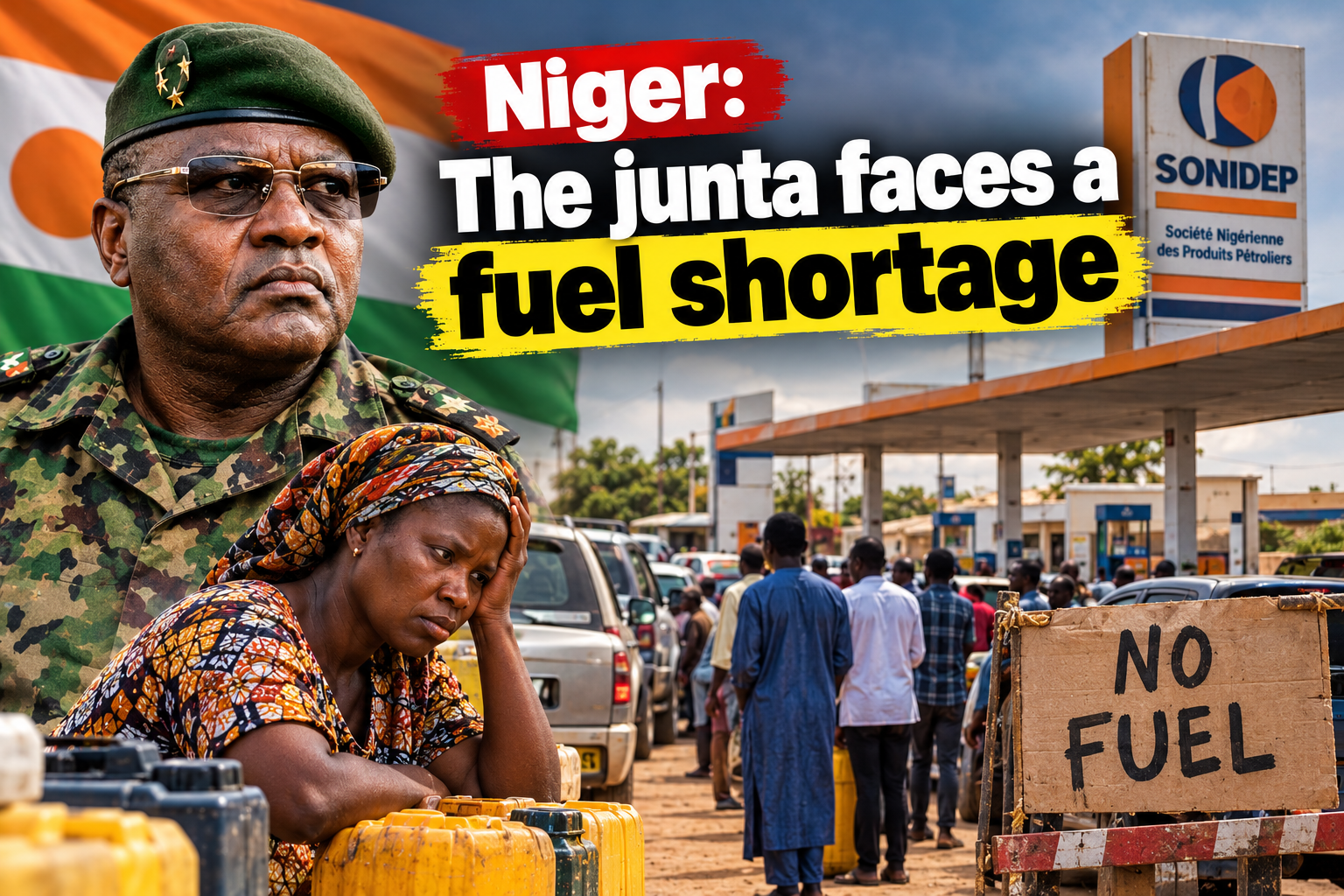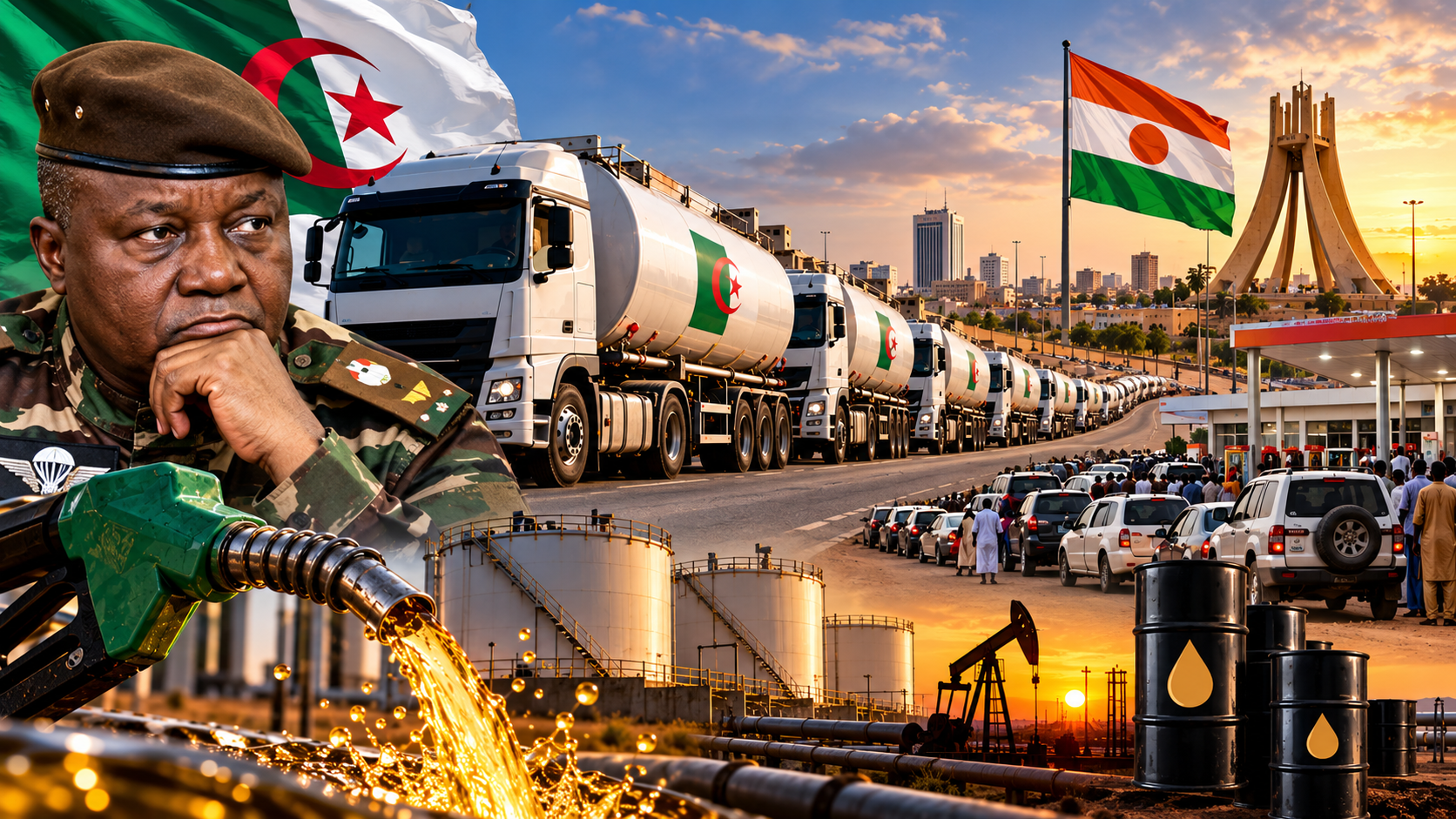
In a strategic pivot to address urgent fuel shortages, Niamey has received an emergency shipment of 3.75 million liters of Algerian petroleum, despite initial plans to deliver it to Agadez. The sudden redirection of 150 tankers, each carrying 25,000 liters, underscores the government’s rapid response to critical supply disruptions threatening the nation’s economic stability.
From Agadez to Niamey: a logistical about-face with high stakes
Originally negotiated to alleviate fuel shortages in the northern city of Agadez, the massive Algerian delivery was abruptly rerouted to the capital, Niamey. While official explanations remain scarce, the move highlights Niamey’s precarious position as the central hub for Niger’s energy needs. With Agadez’s immediate requirements now in question, stakeholders are questioning whether this pivot reflects an emergency response or a deeper reassessment of fuel distribution priorities.
The logistical shift comes at a critical juncture. Niamey’s daily fuel consumption fueling public transport, businesses, and essential services demands reliable supply chains. A single disruption can ripple across the economy, driving up costs and halting mobility. By securing this shipment, authorities appear to be prioritizing short-term stability over regional balance, though the long-term implications remain unclear.
A costly lifeline: unpacking Algeria’s fuel terms
Price disparity raises fiscal red flags
The Algerian fuel arrives at a premium: 800 FCFA per liter, far exceeding the 702 FCFA per liter previously paid for Nigerian imports. At this rate, the 3.75 million-liter delivery represents an immediate additional cost of approximately 367.5 million FCFA assuming the full volume is allocated at the higher price. While the agreement includes a deferred payment in crude oil, the economic trade-off demands closer scrutiny.
Critics argue that the price differential could strain Niger’s already stretched public finances. In a country where fuel subsidies are a contentious issue, the decision to opt for a more expensive supplier raises questions about fiscal prudence. However, proponents counter that reliability rather than cost alone justifies the switch, particularly when traditional supply routes falter.
More than just numbers: the value of deferred payment
The counter-payment mechanism, settled in crude oil, complicates cost analysis. While no immediate cash outlay is required, the exported petroleum must be valued at market rates to assess the true expense. Without transparent pricing benchmarks, it is impossible to determine whether this arrangement offers genuine value or merely defers financial pressure.
Moreover, the volatility of global oil markets introduces uncertainty. If crude prices decline, Niger may benefit; if they rise, the cost of this
By François Mvondo — Journalist