Algeria stands at a crossroads in its Sahel strategy, with its parliament’s urgent session on 25 October marking a potential turning point in regional military engagement. While speculation swirls over whether Algiers will escalate its involvement in Niger, the stakes extend far beyond troop deployment—reshaping sovereignty, regional rivalries, and security balances across the Sahel.
Momentum builds: a military partnership in the making
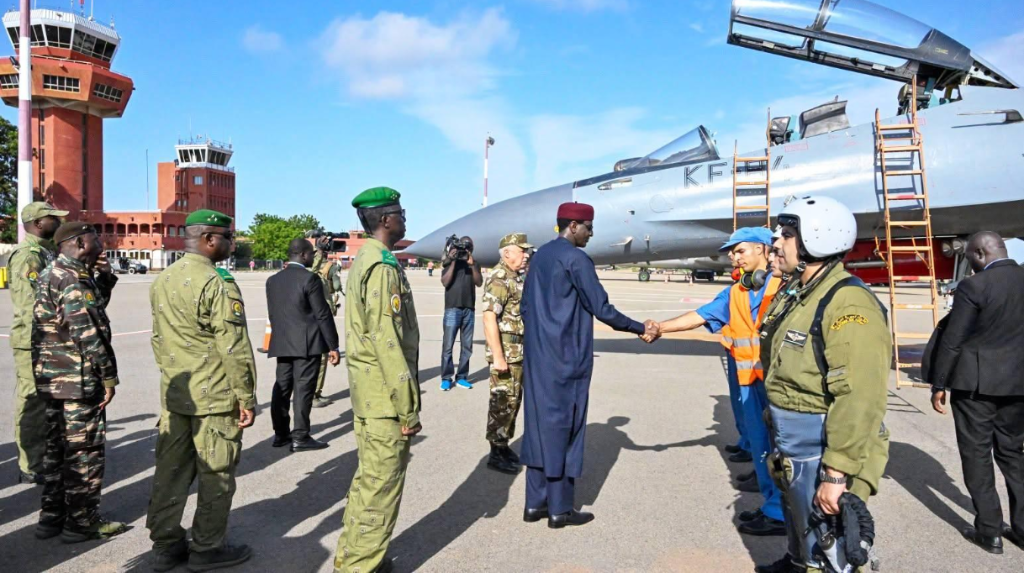
Recent weeks have seen rapid developments between Algeria and Niger. On 30 August 2026, Algiers deployed four Su-30 fighter jets and a refueling aircraft to Niamey at the request of Niger’s authorities—a move underscoring Algeria’s intent to maintain operational influence amid the Sahel’s growing instability. Then, on 21 October, both nations signed a military cooperation protocol, solidifying their deepening defense ties. While the agreement’s specifics remain undisclosed, its existence signals a strategic alignment that could redefine their diplomatic and security priorities.
Constitutional trigger: parliament’s role in a historic shift
The extraordinary parliamentary session takes on added weight under Algeria’s constitution. Article 91 mandates that any deployment of the National People’s Army abroad requires approval from both legislative chambers by a two-thirds majority. This legal framework fuels speculation that the session may address external military action—though without a published agenda, caution is warranted. The distinction between procedural formality, strategic deliberation, and operational decision-making remains critical; conflating these risks turning hypothesis into premature fact.
Niger’s strategic calculus: sovereignty and regional stability
For Niamey, a stronger partnership with Algeria offers a vital diversification of security support. In a Sahel plagued by persistent armed threats and shifting alliances, backing from a neighbor with substantial military capabilities presents clear strategic advantages. Geographically, Niger and Algeria share a border, making them jointly vulnerable to cross-border armed groups, trafficking, and destabilization risks. Algeria’s focus may lie more in preventing spillover threats than in launching offensive operations—a nuance that separates defensive cooperation from combat intervention.
Power plays: the shadow of geopolitical rivalries
Some analyses suggest Algeria might target Emirati interests in Niger amid broader influence competitions. Yet, no official evidence supports this claim. Direct confrontation with a third party would mark a dramatic strategic escalation, exposing Algeria to heightened diplomatic and security costs while deepening regional fractures. Distinguishing between competition for Sahel influence and targeted military planning is essential; assumptions require concrete documentation before validation.
25 October: a defining moment for Algeria’s Sahel strategy
Beyond intervention speculation, the parliament’s session poses a broader question: How far will Algeria go to safeguard its interests in the southern neighborhood? Any approval for foreign deployment would send a powerful political signal. Conversely, if the session addresses unrelated matters, it would underscore that chronological proximity does not imply causality. The immediate focus now rests on the agenda, potential resolutions, and post-meeting official statements—elements that will clarify whether Algiers aims to bolster Niger assistance or pursue a more assertive military stance.
Until then, one truth remains: the Algeria-Niger rapprochement is a political reality to watch, but confirmed military intervention is not yet a certainty. In a Sahel where every military move can reshape power dynamics, precise information is paramount to separate strategic signals from uncertain scenarios.