The Nigerien government’s decision to seek military backing from Algeria marks a decisive turning point in its security strategy, raising critical questions about transparency, accountability, and the true costs of external partnerships. As Niamey shifts reliance away from Russian mercenaries whose promised security dividends remain unfulfilled Algeria’s intervention arrives at a pivotal moment, one that could redefine the nation’s defense doctrine and financial obligations.
From Moscow to Algiers: a breakdown of Niger’s shifting security alliances
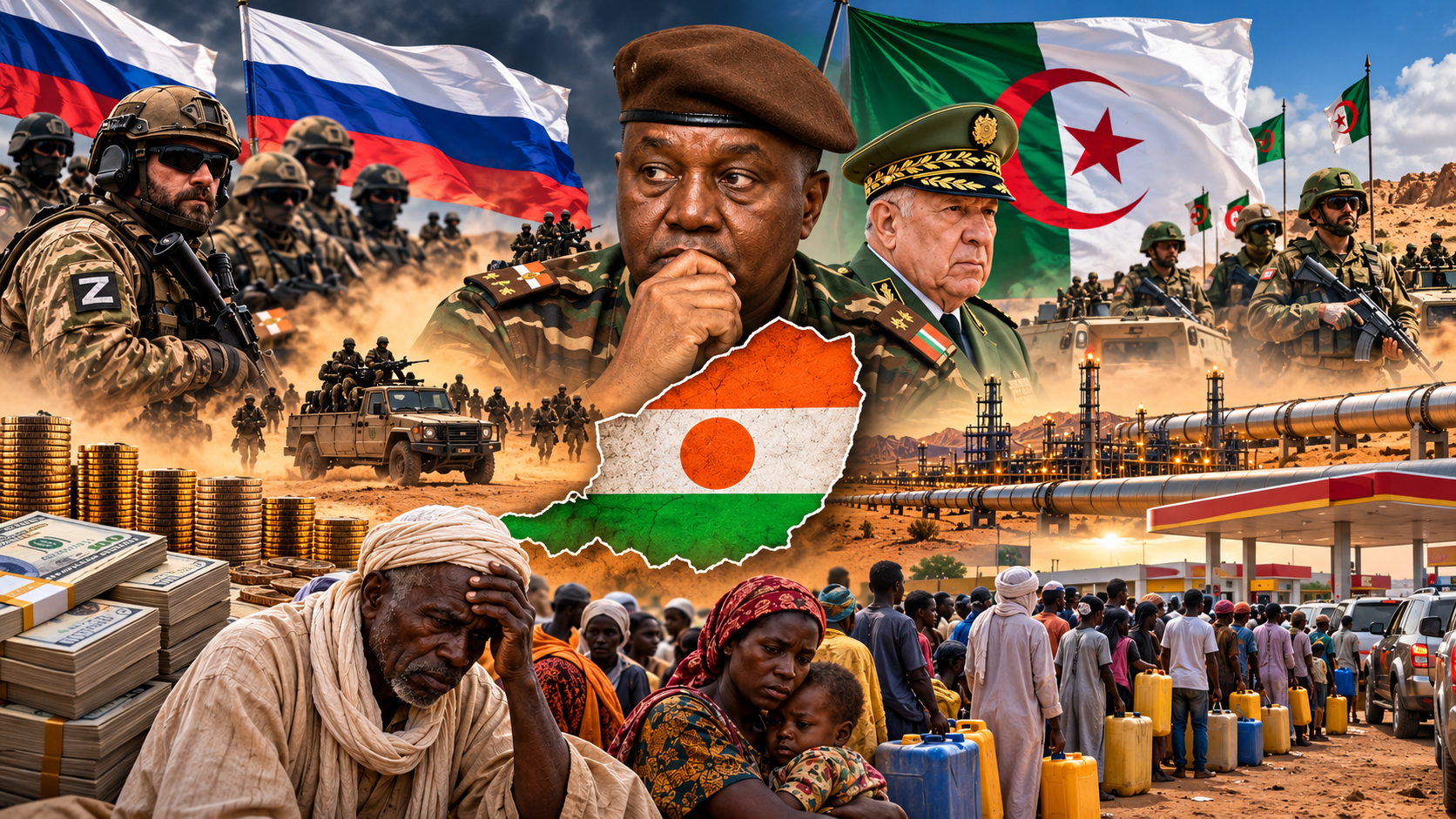
General Abdourahamane Tiani’s administration has long positioned itself as a champion of national sovereignty, rejecting historical alliances while forging new military partnerships. After initially leaning heavily on Russian security contractors including personnel linked to Africa Corps the regime has found itself in a precarious position. Despite the deployment of costly foreign fighters, measurable improvements in security have been scarce. Reports suggest these Russian forces command fees approaching $10,000 per mercenary monthly, though the absence of publicly available contracts obscures the true financial burden on Niger’s strained budget.
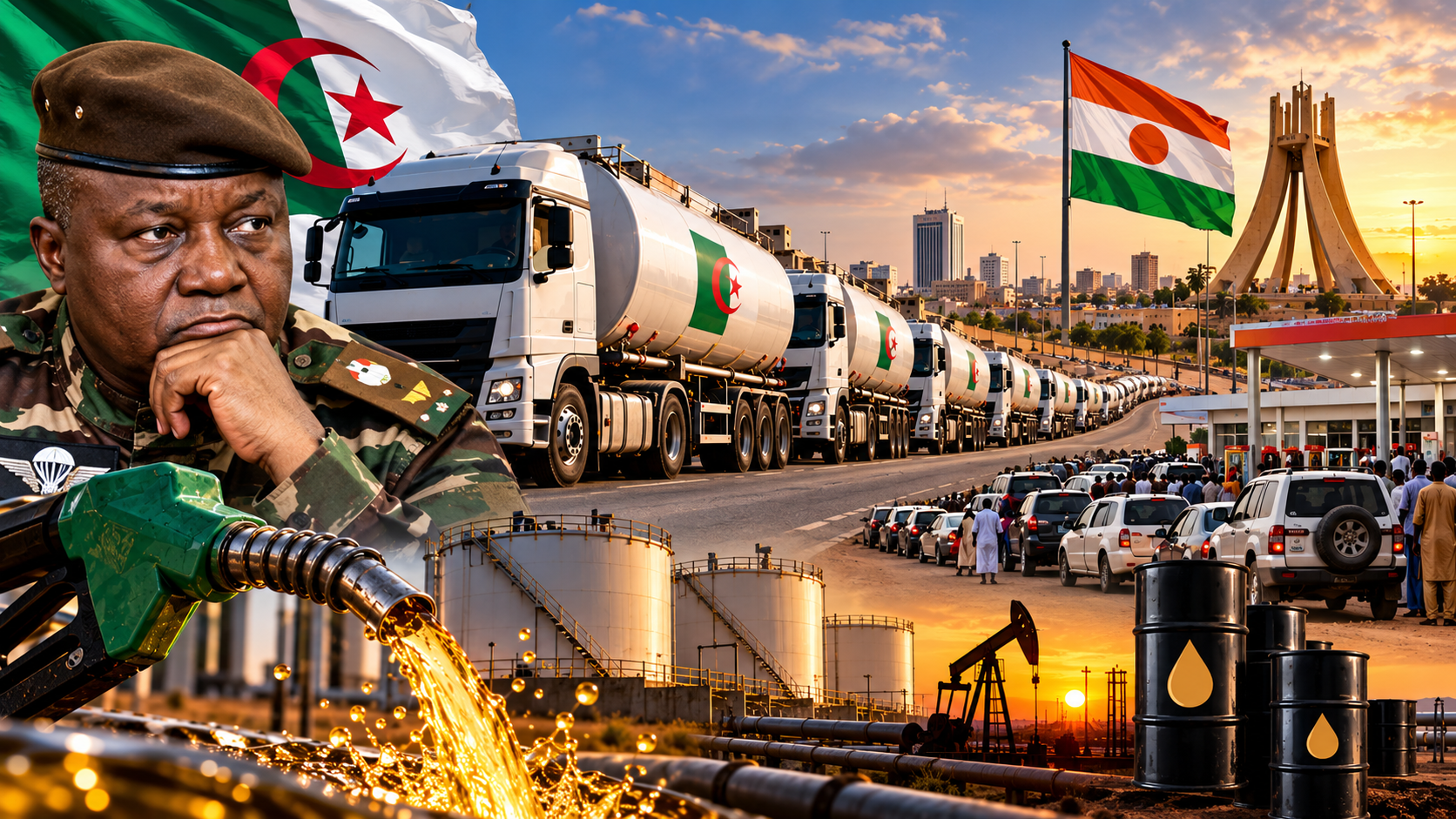
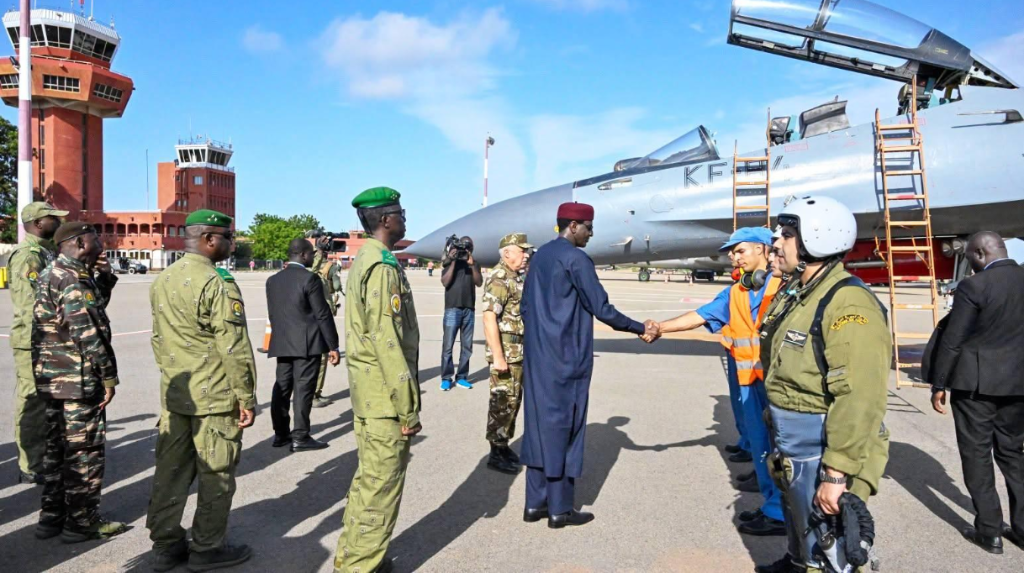
The October 25, 2026 parliamentary vote in Algiers, which authorized troop deployment to Niger, signals a strategic about-face. Algeria’s involvement introduces fresh variables into Niamey’s defense equation, but its motivations and operational scope remain shrouded in ambiguity. While Algerian officials emphasize regional stability and counterterrorism cooperation, undisclosed clauses in bilateral talks may prioritize economic interests tied to Niger’s energy sector including oil fields and the proposed Trans-Saharan Gas Pipeline. The question now is whether this partnership will serve Niger’s security needs or serve as a gateway for Algerian strategic influence.
Why Niamey turned to Algiers and what it means for regional dynamics
The urgency of Niamey’s outreach to Algeria underscores deeper challenges within Niger’s defense strategy. Russian forces, initially hailed as a solution to escalating insecurity, have failed to deliver on their promises of restored stability. Armed attacks persist, civilian protection remains inadequate, and state authority continues to erode in vulnerable regions. Against this backdrop, Algeria’s offer of military support represents not just a tactical shift but a potential recalibration of power structures in the Sahel.
Algeria’s involvement introduces geopolitical complexities. Financially, the Algerian state may assume certain costs, but Niger could still bear indirect expenses related to logistical support, infrastructure, and potential energy concessions. Meanwhile, Algeria’s stated goal of combating transnational threats aligns with its own security imperatives, particularly the protection of its burgeoning energy interests in Niger. The convergence of these objectives could create a mutually beneficial arrangement but only if both parties clarify the terms of engagement.
For now, the operational framework remains unclear. Will Algerian troops focus solely on border surveillance, or will their mandate expand to include direct combat, infrastructure defense, or intelligence-sharing? Who will command these forces, and how will their actions integrate with Niger’s own military operations? Without concrete answers, skepticism grows: is this a partnership built for the benefit of Niger’s people, or for the strategic interests of external players?
Financial stakes: who ultimately bears the cost of Algeria’s intervention?
Financial transparency has become the Achilles’ heel of Niamey’s security diplomacy. Each new military alliance carries economic consequences that ripple through Niger’s public finances, diverting resources from education, healthcare, and infrastructure. While Algeria may shoulder some operational expenses, the long-term fiscal implications for Niger are uncertain. Public scrutiny intensifies as citizens face a stark reality: every dollar spent on foreign fighters or foreign troops is a dollar not spent on domestic needs.
Key questions remain unanswered:
Will Algeria’s military assistance come with financial incentives or energy-related concessions that could long-term bind Niger’s economy?
Are the terms of this cooperation publicly documented, or are they being negotiated behind closed doors?
How will Niger’s government justify these expenditures when security outcomes remain unclear?
Public pressure mounts for a transparent breakdown of costs. The government must clarify whether Algeria will fully fund its deployment, or whether Niger will once again foot the bill through loans, resource concessions, or redirected budgets. Failure to provide these details risks eroding public trust and deepening dissatisfaction with a regime already grappling with legitimacy challenges.
The human cost: security promises versus citizen survival
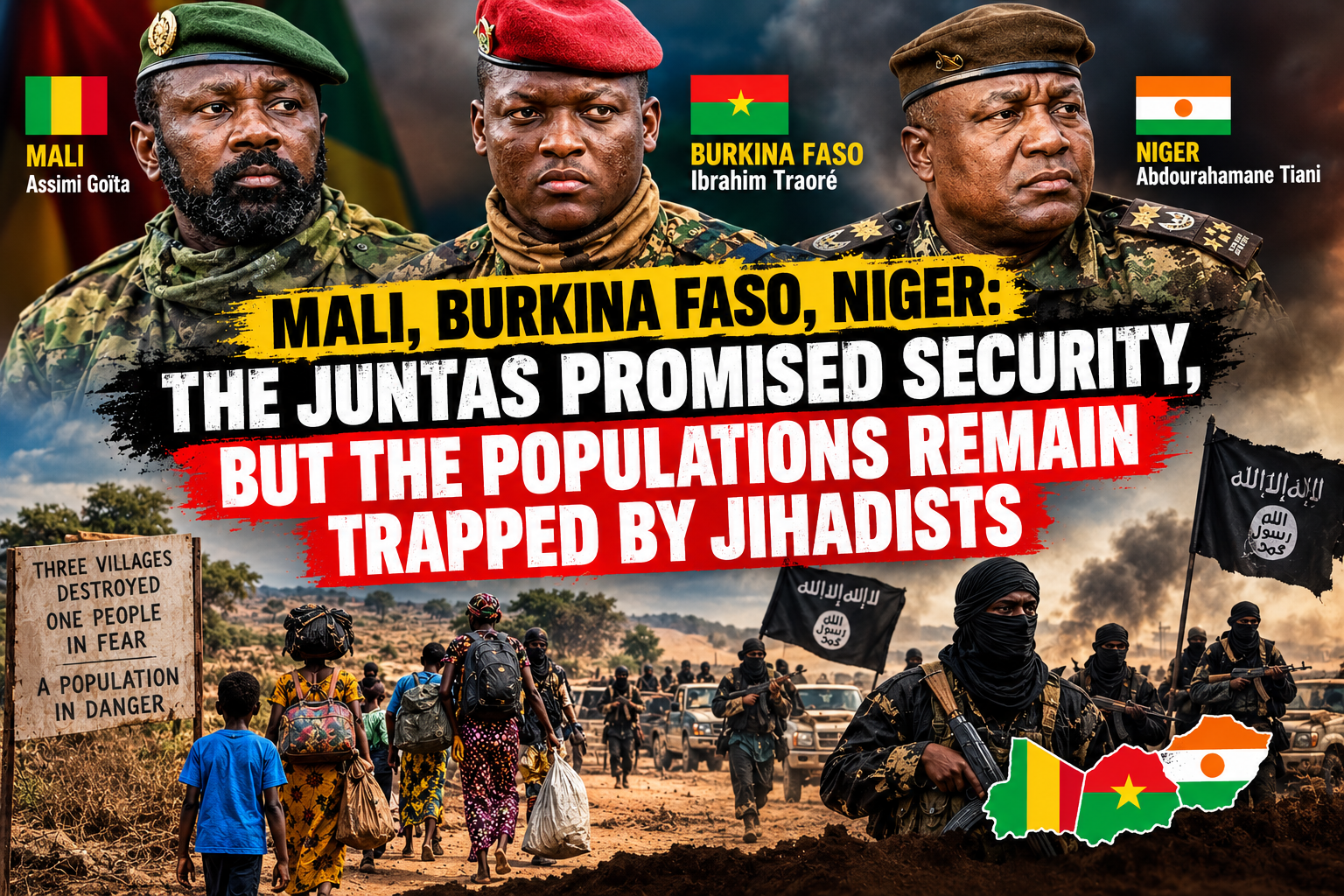
The people of Niger are caught in the crossfire of a security crisis that shows no sign of abating. Despite repeated pledges from successive military regimes, their safety, livelihoods, and future remain precarious. The arrival of Algerian troops offers a glimmer of hope but hope alone does not restore roads, protect civilians, or rebuild broken communities.
Security cannot be measured solely by the presence of foreign soldiers. It is defined by tangible outcomes: fewer attacks, safer markets, functional schools, and functioning hospitals. If the Algerian deployment does not translate into palpable improvements, the population will question the purpose of these costly alliances. The regime’s insistence on sovereignty rings hollow if its actions prioritize external partnerships over domestic solutions.
For General Tiani’s government, the calculus is clear: without visible results, military diplomacy risks becoming a liability. Citizens expect not just protection from armed groups but responsible governance that places their welfare above geopolitical maneuvering. The true test of this new partnership will not lie in press releases or parliamentary votes, but in the lives of Nigeriens it is supposed to safeguard.
Sovereignty in action: transparency as the ultimate measure of accountability
Niger’s proclaimed sovereignty demands more than the rejection of old alliances. It requires a demonstration of competence, transparency, and results. The government’s willingness to expose the terms, costs, and expected outcomes of its military agreements will define its credibility. Secrecy breeds suspicion; accountability fosters trust.
Algeria’s engagement presents an opportunity for Niamey to reassert its authority not through new dependencies, but through renewed focus on national priorities. If the partnership with Algeria yields real security gains, the population must be the first to benefit. If the costs outweigh the benefits, the government must acknowledge the failure of its strategy and adjust course.
At its core, this moment is not about choosing between Algeria and Russia. It is about choosing between opaque deals that burden the people and accountable policies that empower them. The Nigerien public deserves better than a revolving door of foreign patrons. It deserves a government that fights not only insurgents, but corruption, mismanagement, and neglect.
The true turning point has not yet arrived. It will come only when Niger’s leaders answer the most critical question of all: whose security comes first their own citizens, or the strategic interests of foreign powers?
By François Mvondo — Journalist