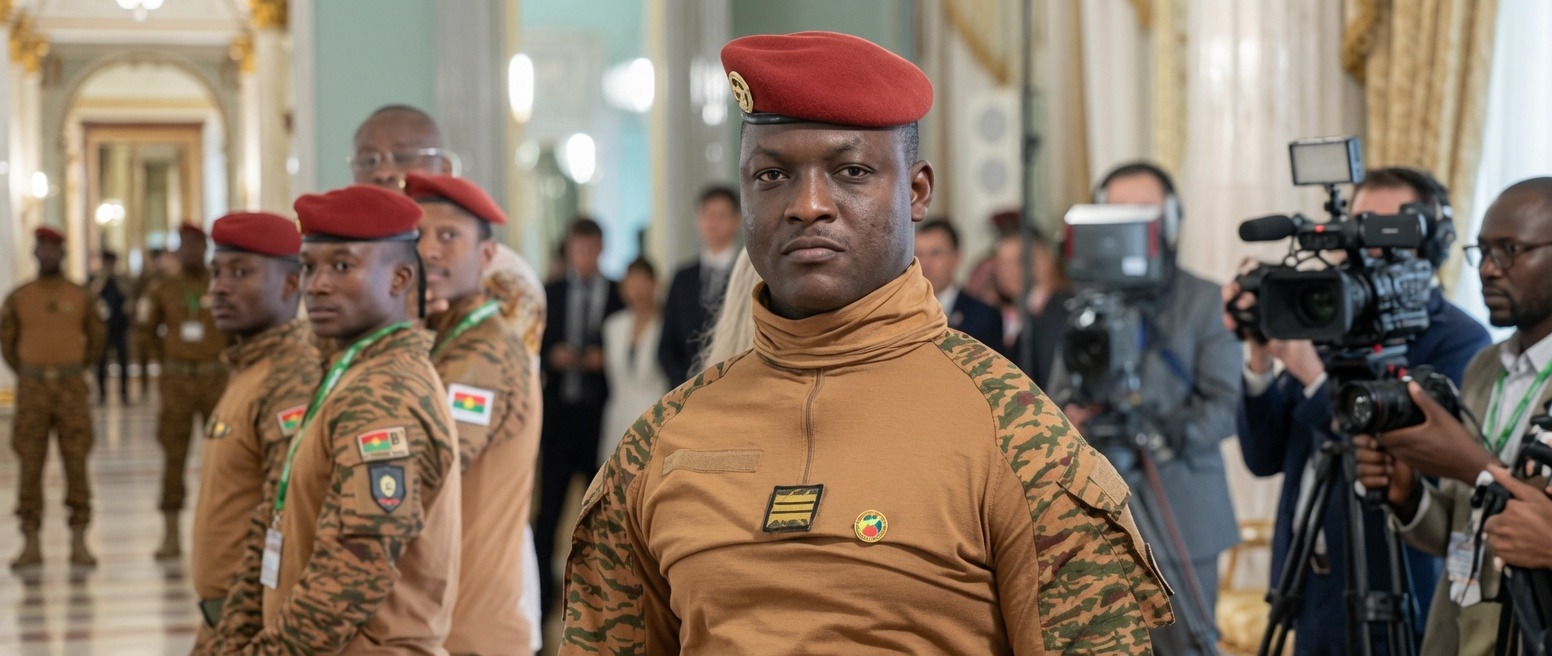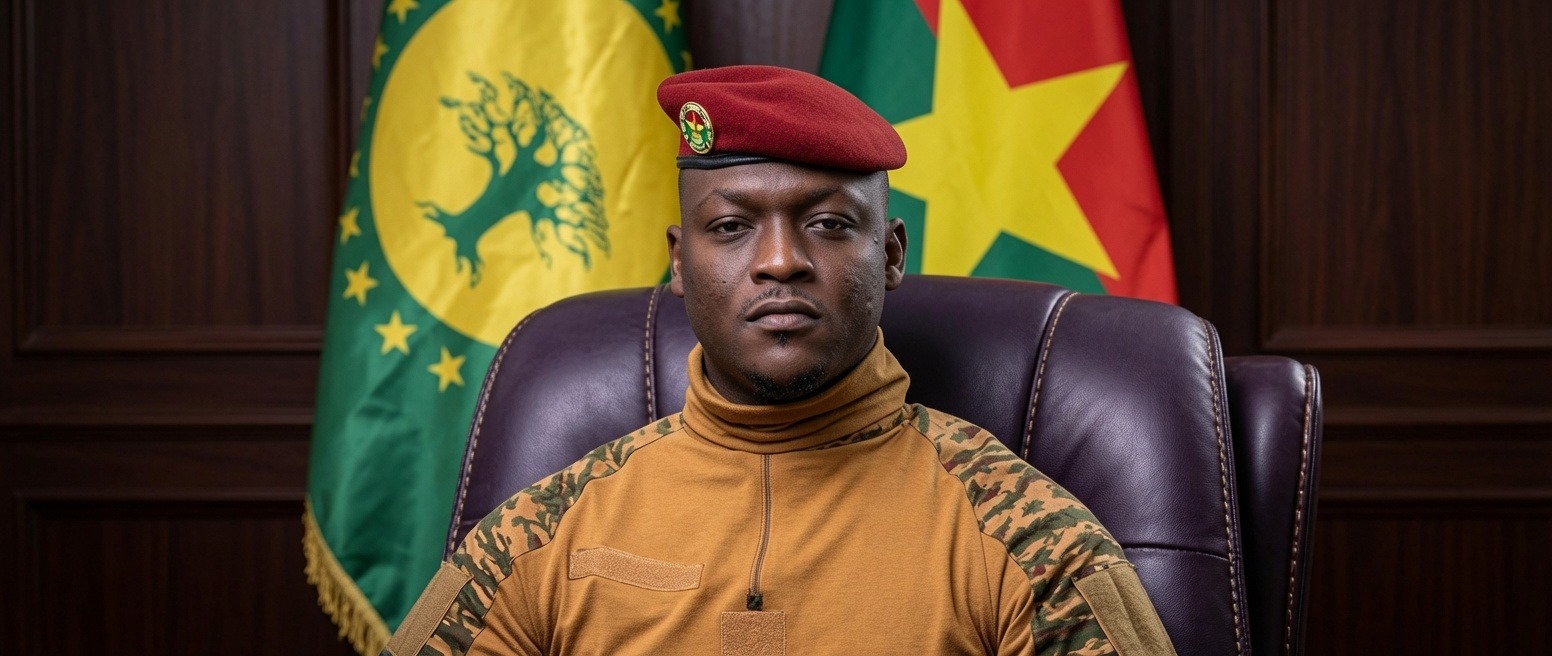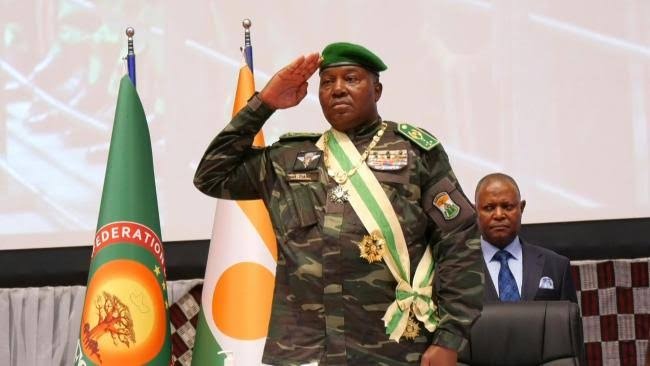
When the National Council for the Safeguarding of the Homeland (CNSP) overthrew President Mohamed Bazoum in July 2023, it framed its takeover as a turning point for Niger’s sovereignty, security, and governance. More than three years later, the verdict is clear: far from reversing the nation’s decline, the military regime has amplified the challenges it vowed to resolve, turning promises into peril and hope into hardship.
The illusion of regained sovereignty
The CNSP’s justification for seizing power centered on the need to reclaim Niger’s sovereignty, citing foreign influence, governance failures, and security breakdowns under Bazoum. Yet today, that very sovereignty is being reshaped—not reasserted—in ways that raise new questions of accountability and consent.
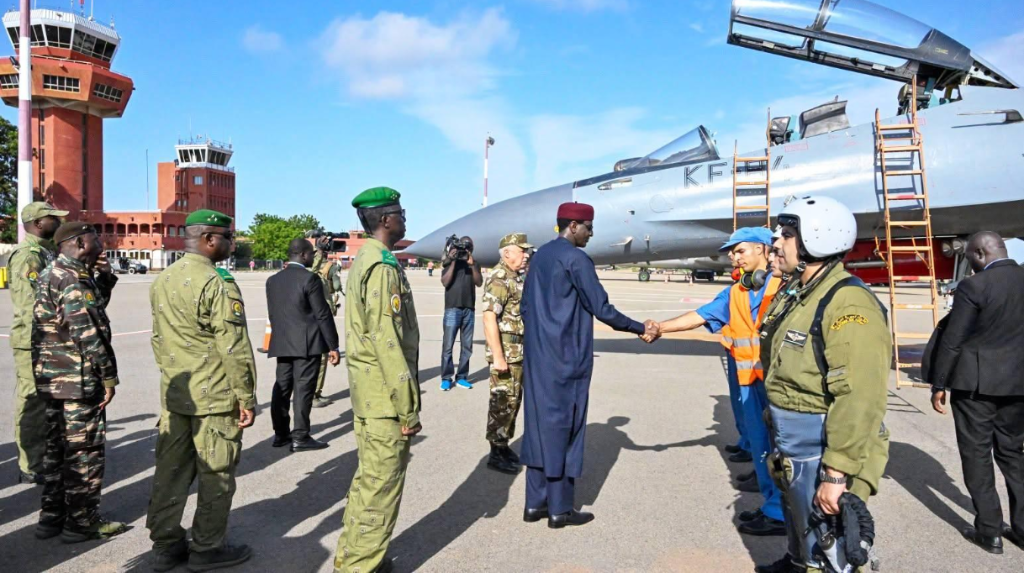
With the withdrawal of French and American forces positioned as a national triumph, Niamey’s pivot toward alternative alliances has unfolded in the absence of transparency. The arrival of Russian partners and the recent deployment of Algerian troops to Madama—over 200 kilometers inside Niger’s territory—were negotiated without parliamentary oversight or public debate. What began as a critique of external domination under the civilian government has evolved into a pattern of unchecked foreign presence, leaving citizens questioning who truly controls their nation’s future.
Border control in the balance
The militarization of borders, once framed as a restoration of national authority, now underscores a troubling paradox: Niger’s territory is increasingly managed by external actors, with little regard for democratic oversight. The lack of clarity surrounding these agreements threatens to erode public trust, turning what was sold as liberation into a new form of dependence.
A security crisis deepening, not easing
The CNSP’s coup was justified by the escalating threat of armed groups—Islamic State in the Greater Sahara (EIGS) and the Group for the Support of Islam and Muslims (JNIM)—and the need to restore stability. Yet the data tells a different story.
Rather than reversing the tide, the regime’s military efforts have done little to curb insecurity. In Diffa, Maradi, Tahoua, and Tillabéri, families continue to face brutal attacks, school closures, and shuttered health clinics. The frequency of assaults has not diminished; it has intensified. The CNSP’s air strikes and battlefield announcements offer fleeting victories, but the broader picture remains one of territorial vulnerability, where armed groups operate with impunity in vast swaths of the country.
When promises meet reality
The regime’s narrative promised decisive action to reclaim lost ground. Instead, communities remain trapped in cycles of violence, with little respite in sight. The contrast between official proclamations and lived reality has fueled frustration, as citizens grapple with the gap between words and deeds.
The cost of economic stagnation
Economic instability was a cornerstone of the coup’s justification—a chance to break free from foreign financial constraints and chart an independent path. Yet the evidence suggests a stalling economy, where bold declarations fail to translate into tangible progress.
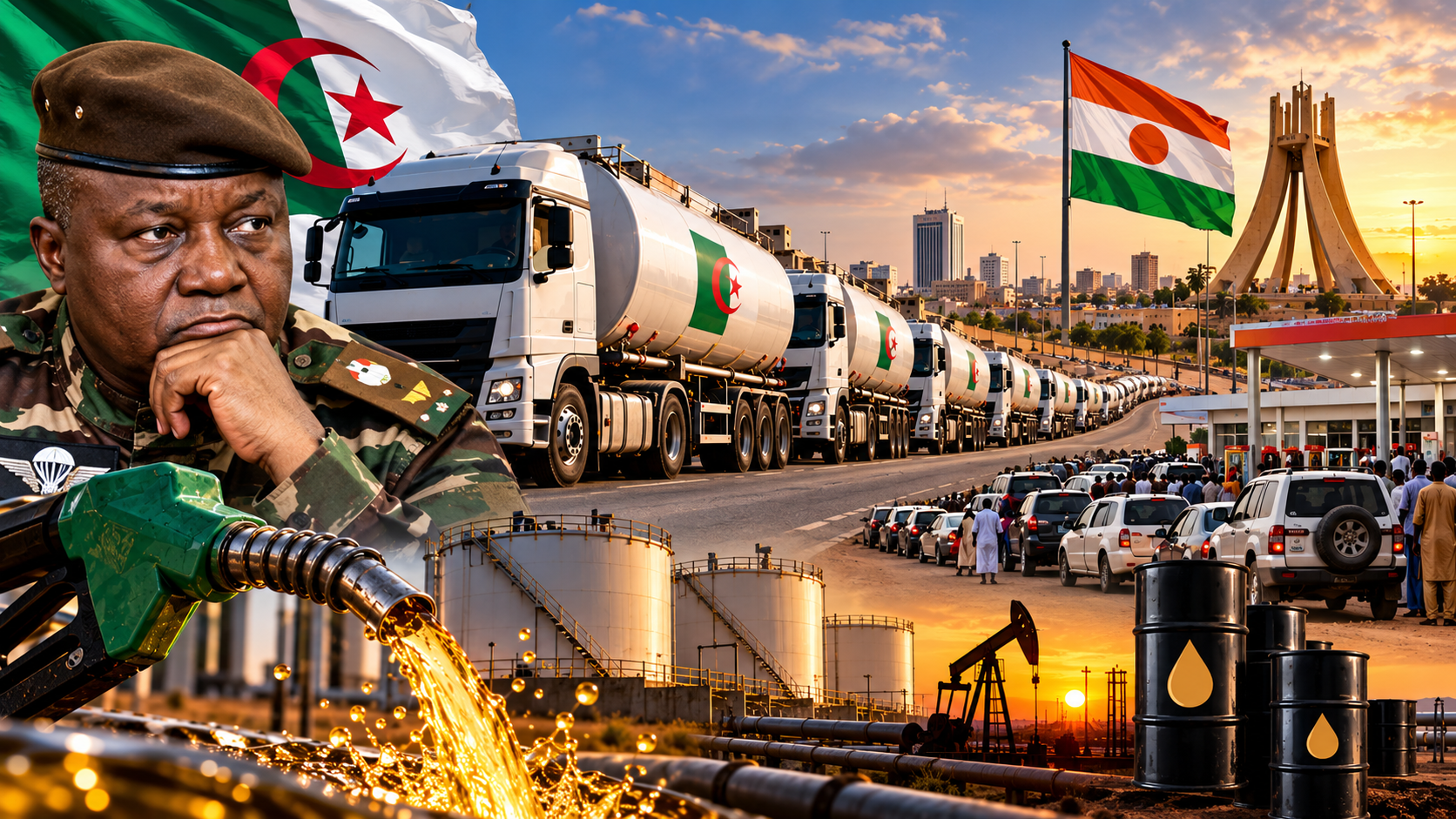
Key energy projects, including the stalled Kafra oil permit and the uncertain fate of the Trans-Saharan Gas Pipeline, remain mired in delays. The promise of self-sufficiency now clashes with financial stagnation, leaving Niger’s people bearing the brunt of a transition that has delivered neither security nor prosperity.
Where development meets deadlock
The regime’s focus on sovereignty has not been matched by domestic advancement. Infrastructure projects stall, investment slows, and the population faces rising costs with shrinking opportunities. The disconnect between nationalist rhetoric and economic reality has deepened disillusionment, as once-hopeful supporters of the coup now question the path forward.
The silence of erstwhile allies
The early days of the CNSP’s rule saw vocal support from sections of civil society and political figures who had criticized Bazoum’s administration. Yet as the regime’s shortcomings become impossible to ignore, this once-enthusiastic backing has curdled into silence—or complicity. Criticism that once sparked rallies now meets indifference or dismissal, as the space for dissent shrinks under the weight of military rule.
The paradox is striking: where mobilizations once targeted corruption and insecurity, today’s dissent faces suppression. The same voices that decried the previous government’s failures now find themselves marginalized, while the regime tightens its grip under the banner of sovereignty.
Trapped in transition: the road ahead for Niger
Niger stands at a crossroads, but the path chosen by the military rulers has led not to renewal, but to repetition—of old mistakes, new dependencies, and a crisis without end. With sovereignty redefined in opaque terms and security unachieved, the regime’s bid to reset the nation has instead entrenched instability, leaving the population to pay the price of a transition that refuses to turn the page.