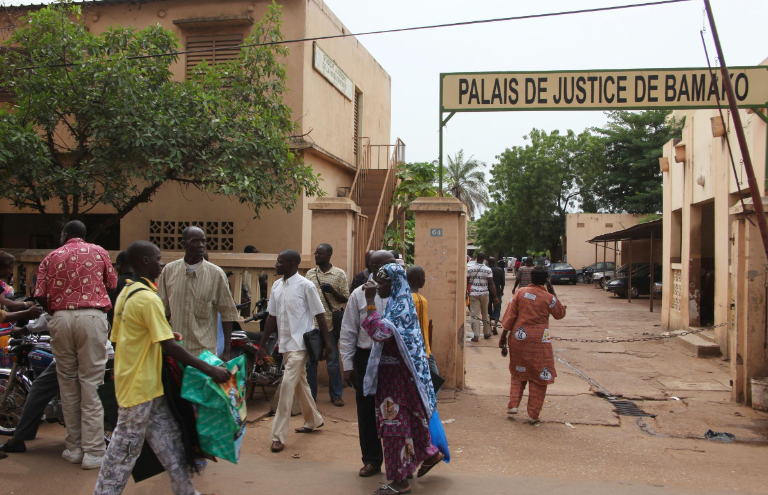
The turning point: Adama Sangaré’s appeal revives dormant land dispute in Bamako
After a decade behind bars, former Bamako district mayor Adama Sangaré is gearing up for a high-stakes appeal that could reshape the narrative around Mali’s most contentious land scandal. The October 2026 conviction — ten years for fraud and embezzlement tied to parcels near Bamako-Sénou International Airport — is now under scrutiny as his defense team challenges both the legal grounds and the political context of the ruling. At the heart of the appeal: whether administrative decisions can be criminalized and whether verbal directives from a former president absolve officials of liability.

From administrative act to criminal conviction: the legal dispute over land allocations
The case hinges on a fundamental disagreement: Was the disputed land partitioning and allocation an administrative function — or did it cross into criminal territory? The defense argues that Sangaré’s actions during his term were rooted in municipal authority, subject to administrative oversight, not penal law. His legal team has consistently challenged the jurisdiction of the Economic and Financial Crimes Chamber, pointing to prior Supreme Court rulings that allegedly support this position. Yet, despite objections, the court proceeded, and the conviction stands — for now.
The Ibrahim Boubacar Keïta directive: a shield or a red herring?
Central to Sangaré’s defense is his claim that he acted on a verbal instruction from former President Ibrahim Boubacar Keïta, who passed away in 2022. According to testimony, these operations were part of a broader national reconciliation effort aimed at resettling northern Mali citizens. While this narrative attempts to place the land allocations in a political context, prosecutors have dismissed it as inconclusive. They contend that the procedures violated public procurement laws and led to significant financial losses, regardless of any alleged higher-order directive.
Financial fallout: millions in disputed fees and demolition costs
Prosecutors have levied staggering financial claims against the former mayor: 483.964 million FCFA in damages, 49.39 million in unpaid édilité fees, and 50 million in civil damages to the state. Sangaré disputes the figures, asserting that parcel exemptions fell within his remit and that demolition fund mismanagement lay with state agencies. Still, the court ordered joint liability for the demolition costs, a decision now under appeal.
Other defendants face the same sentence — except one
Sangaré is not alone in his legal fight. Former deputies Daha Keïta and Ibrahim Koïta also received ten-year sentences, along with lesser officials like Adam Aïché Traoré and Bourama Komagara. Souleymane Dagnon, former mayor of Bamako’s Commune VI — tried in absentia — received twenty years, while Sékou Keïta was acquitted. These penalties reflect the court’s stance on the severity of the alleged infractions, though appeals may alter the outcomes.
What’s next: appeal or acquittal? The battle over public land management enters a new phase
The appeal process now takes center stage, with the defense poised to contest both the legal basis of the conviction and the proportionality of the sentence. This appeal isn’t just about one man’s fate — it’s about defining the boundary between administrative discretion and criminal misconduct, and whether political contexts can shield officials from accountability. As the debate unfolds, it raises urgent questions about transparency and integrity in Mali’s public land management, especially in zones of strategic and developmental importance like Bamako-Sénou.
Why this case matters beyond Bamako
Beyond the courtroom drama, the Sangaré case has become a touchstone for broader discussions on land reform and governance in Mali. It underscores the need for clear legal frameworks that separate routine administrative decisions from criminal offenses, protect whistleblowers, and ensure that public resources are managed with accountability and fairness. With appeals pending and public scrutiny intensifying, this legal turning point could redefine not only who holds title to contested parcels — but who is ultimately responsible for Mali’s land future.