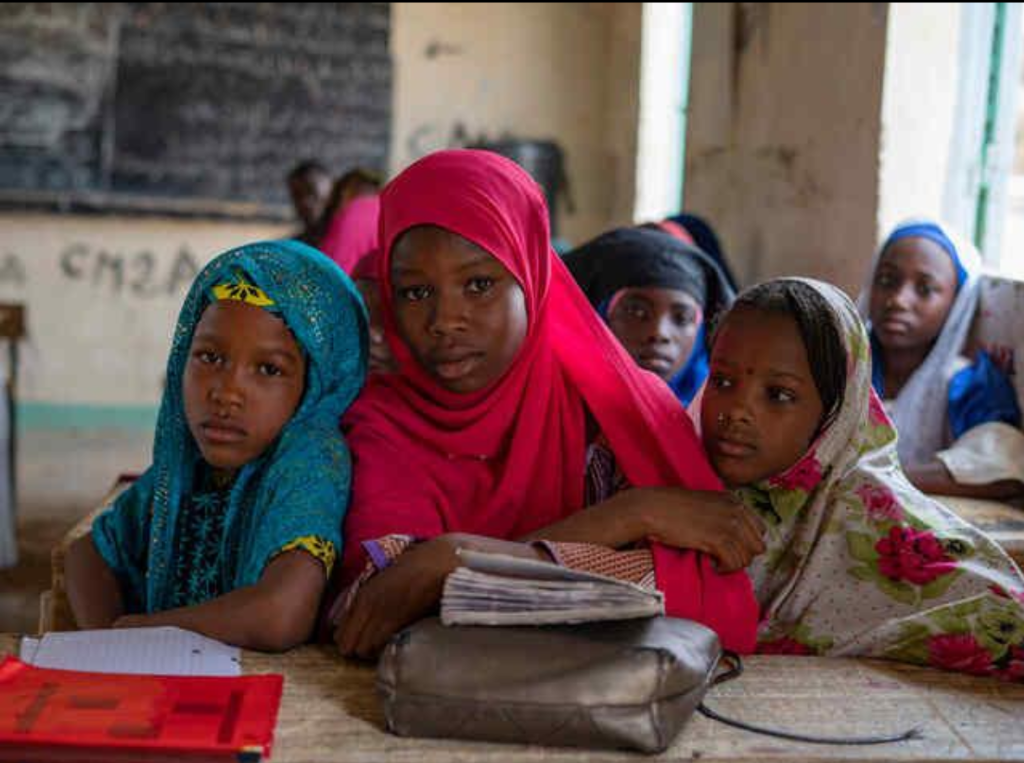
Diffa, Niger — A decisive moment has arrived in the pursuit of education equity in Diffa. The recent decision to reopen all schools to every community, regardless of origin or affiliation, marks a significant turning point after prolonged restrictions that sparked debates over fundamental rights and state obligations.
From exclusions to inclusion: the road to reopening
The closure of schools in Diffa and surrounding areas had raised urgent concerns about the impact on children’s learning and rights. Although framed as security measures, reports indicated that restrictions disproportionately affected specific communities, including the Mohamid, triggering criticism over collective punishments and violations of educational access.
Educational leaders and policymakers now face a critical challenge: ensuring that the decision to reopen is not just symbolic, but leads to sustainable, inclusive learning opportunities for every child. This shift comes as communities demand clarity on how administrative decisions align with national and international education rights.
Security vs. rights: navigating the debate
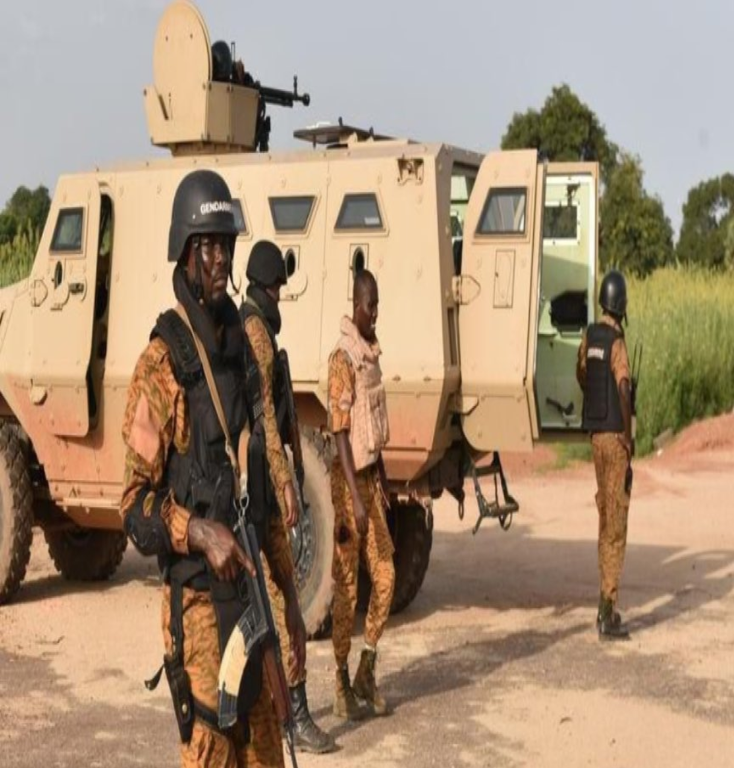
The region of Diffa has long grappled with insecurity stemming from armed group activities, disrupting schooling and public life. In response, authorities cited threats to students, teachers, and infrastructure as grounds for school closures. Yet, some measures went beyond safety concerns—they reportedly targeted entire communities, restricting access to schools, water points, and even civil registration services.
While security remains a legitimate priority, public discourse increasingly questions whether such restrictions comply with the principle of proportionality—ensuring that measures do not punish law-abiding citizens or children for actions they did not commit. The United Nations Convention on the Rights of the Child, to which Niger is a signatory, emphasizes education as a non-negotiable right, demanding that state actions never deprive children of learning opportunities based on origin or affiliation.
What does proportionality look like in practice?
- Targeted security measures that do not exclude entire groups
- Transparent justifications for restrictions, grounded in law
- Maintenance of essential services such as education and healthcare for all
Reopening as a catalyst for trust and continuity
The decision to lift community-based bans on school attendance offers hope to thousands of families. It signals a step toward restoring normalcy—but implementation will determine whether this promise translates into reality. Parents must be reassured that their children can attend school without fear of sudden closures based on identity or community ties.
However, challenges remain. Many schools lack teachers, classroom materials, or even functional infrastructure. Years of closures and displacement have already pushed students into learning gaps, especially girls and children from vulnerable backgrounds. Rebuilding trust in the education system requires more than policy announcements—it demands resources, accountability, and sustained political will.
Education as a pillar of national unity
Schools in Diffa are not just places of learning—they are spaces of shared identity and social cohesion. When entire communities are excluded from education, the ripple effects extend beyond academics: they deepen societal divides and undermine public confidence in government institutions.
This moment calls for leadership that transcends short-term security fixes. It requires a commitment to equal access, dialogue with affected populations, and policies that protect both safety and rights. From Diffa to the halls of Niamey, the challenge is clear: education must remain a universal right, not a privilege granted conditionally.
The true test of this initiative’s success will be measured not in announcements, but in the daily experiences of children walking through school gates in every neighborhood, free from fear and discrimination.
Looking ahead: building an inclusive future
The reopening of schools in Diffa is more than a policy reversal—it is a turning point for Niger’s education landscape. Yet, the journey toward inclusivity is far from over. To prevent further disruptions, authorities must:
- Monitor school attendance to ensure no child is left behind
- Train and deploy teachers to underserved areas
- Strengthen dialogue with community leaders to prevent future restrictions
- Align national policies with constitutional and international rights
The future of Diffa’s children depends on more than open doors—it depends on open minds, fair policies, and a collective belief that education is the foundation of a stable and prosperous society.