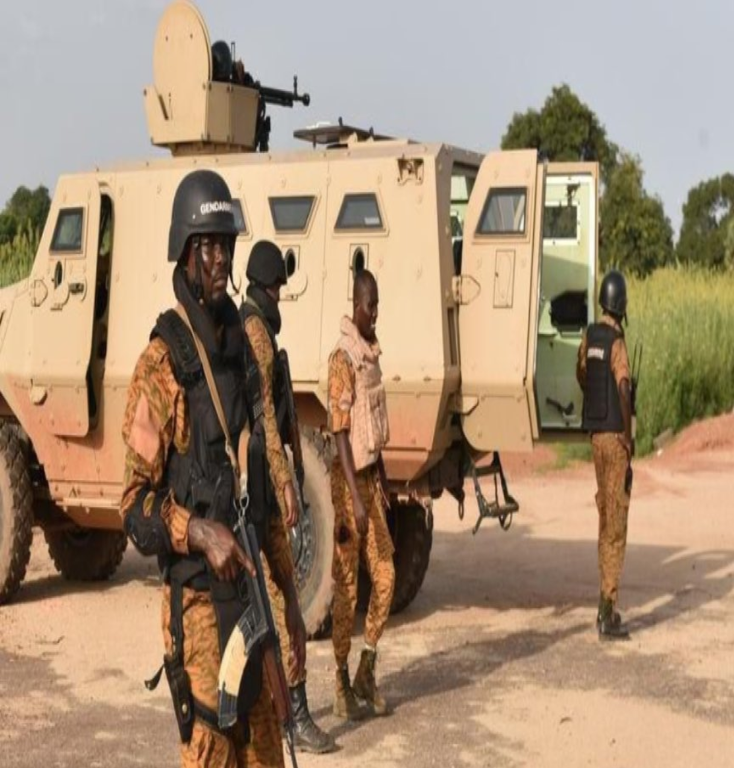
The Burkina Faso security landscape has reached a critical turning point following the latest claims by the Group for Support of Islam and Muslims (JNIM), an al-Qaeda-affiliated faction. The jihadist coalition asserts it has struck a decisive blow against government forces, destroying an armored vehicle and eliminating three auxiliary fighters in separate operations. These events mark a significant escalation in the ongoing insurgency, which continues to destabilize key regions across the country.
JNIM’s bold claims: armored vehicle destroyed near Fada N’Gourma
The jihadist group alleges that its fighters deployed an improvised explosive device to target an armored unit of the Burkinabe military in the vicinity of Fada N’Gourma, a strategic crossroads in the East region. This attack underscores the persistent threat posed by explosive devices, which have become a favored tactic among militant groups in the Sahel. Military convoys and logistical routes remain particularly vulnerable, even when protected by armored transports.
The JNIM’s statement, though unverified at this time, highlights the tactical diversity employed by insurgents. From ambushes to roadside bombings, these methods aim to disrupt mobility, inflict casualties, and erode the operational capacity of security forces. The loss of an armored vehicle in such an attack would represent a tangible setback for the Burkinabe army, though independent confirmation is required to assess the full extent of the damage.
Three auxiliaries killed in Bam province amid ongoing clashes
In a parallel operation, the JNIM claims to have engaged and killed three local defense volunteers—the Volontaires pour la Défense de la Patrie (VDP)—in Bam province. The group asserts that it also seized automatic weapons during the confrontation. The VDP, civilian recruits supporting the national security apparatus, are often targeted due to their active role in counter-insurgency efforts and their visibility in rural areas.
The loss of military-grade firearms in such incidents raises concerns about the proliferation of weapons within conflict zones. When captured materiel circulates among armed actors, it amplifies the risks for civilians and complicates efforts to restore stability. However, the specifics of the attack—the location, the circumstances of the fatalities, and the type of weapons seized—remain unclear. Militant claims must be scrutinized closely, as they frequently serve propaganda purposes as much as operational updates.
Escalating violence threatens civilian life and economic stability
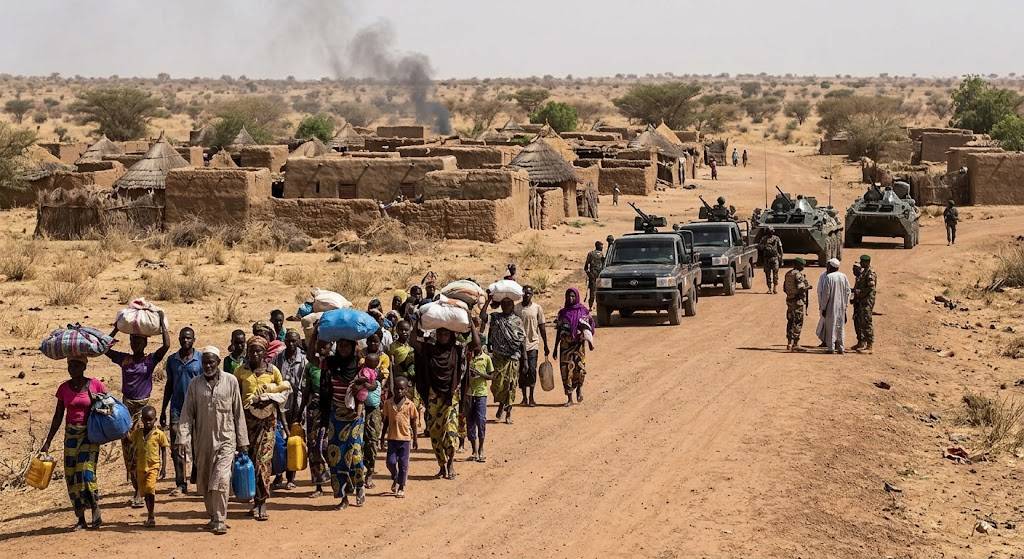
The surge in militant activity extends beyond these recent attacks, with Burkina Faso’s East, North, and Central-North regions experiencing persistent instability. Villages grow increasingly isolated as road networks become hazardous, while essential services such as healthcare, education, and markets face crippling disruptions. Agricultural activity, a cornerstone of local economies, has been severely impacted by the ongoing violence, pushing communities deeper into vulnerability.
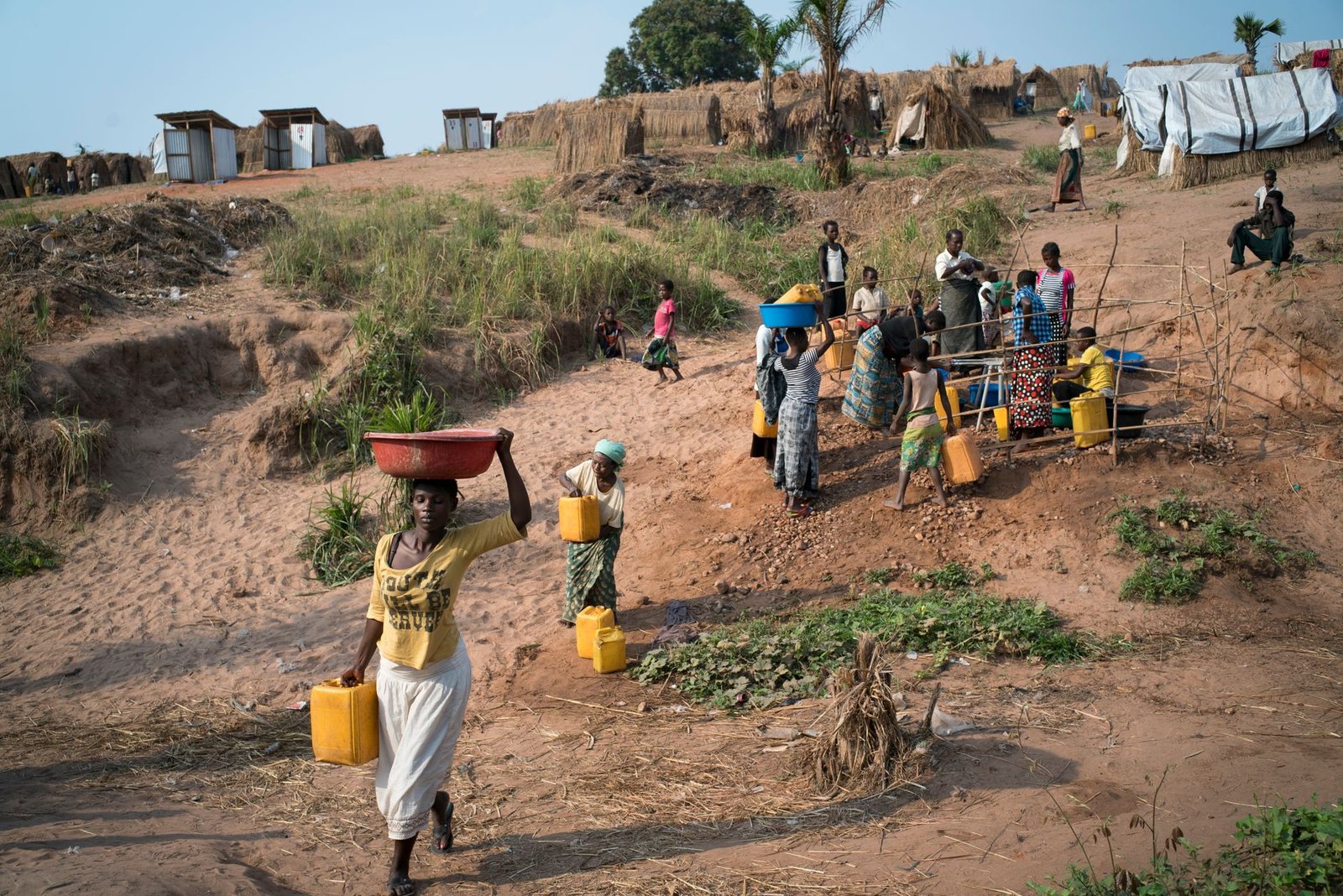
Civilian populations are caught in the crossfire, forced to navigate a daily reality shaped by fear and uncertainty. Displaced families struggle to access food, clean water, and shelter, while the psychological toll of living under constant threat remains immeasurable. The humanitarian crisis is not just a consequence of conflict; it is a driving force behind the growing humanitarian needs across the Sahel.
Can Burkina Faso’s security forces pivot toward stability?
The JNIM’s latest claims serve as a stark reminder of the relentless pressure on Burkina Faso’s security apparatus. The ability to secure key arteries, protect civilians, and re-establish state presence in contested areas remains a monumental challenge. While military operations are critical, combating insurgency requires a multi-faceted approach: robust intelligence, community-based security initiatives, and the restoration of public trust.
For authorities, the path forward demands more than reactive measures. It necessitates long-term strategies to address the root causes of instability—poverty, marginalization, and weak governance—as well as immediate action to contain the militant threat. Meanwhile, civilians continue to bear the brunt of the crisis, their daily lives dictated by the whims of a conflict that shows no signs of abating.
As the truth behind these claims unfolds, one thing is clear: Burkina Faso’s struggle against terrorism has reached a pivotal moment. The decisions made today will shape the nation’s trajectory for years to come, determining whether it carves a path toward recovery or sinks deeper into chaos.