Health authorities in Nigeria have confirmed a turning point in the continent’s fight against Ebola: the first imported case of Bundibugyo virus disease detected on Nigerian soil in years.
The breakthrough, announced by Health Minister Muhammad Ali Pate on October 20, 2026, comes as a major shift in the regional health landscape. While the outbreak had previously been concentrated in Central and East Africa, this case underscores the persistent threat of cross-border transmission and the fragility of global health surveillance.
Africa’s most populous nation confronts an imported threat
On October 11, a woman with a recent travel history to East Africa sought care at a private health facility in Abuja. Her symptoms—fever, fatigue, and gastrointestinal distress—raised immediate red flags. Lab confirmation of Ebola virus infection arrived nine days later, on October 20. Since then, she has been placed in isolation and is receiving intensive medical care.
Dr. Pate reassured the public: “The patient is under strict isolation and receiving high-quality medical attention.” Authorities have launched a rapid contact tracing operation, identifying 44 individuals who may have been exposed. Their monitoring is now the top priority to prevent secondary transmission.
From DRC to Abuja: tracing the path of the virus
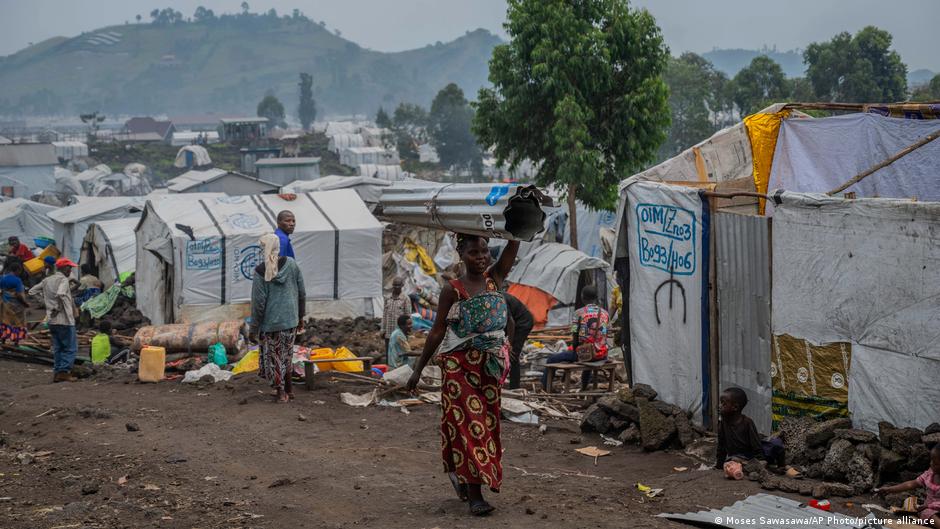
This imported case is not an isolated incident. The current outbreak originated in the Democratic Republic of the Congo (DRC) on May 15, 2026, and has since crossed borders. Kenya has reported nine infections, while Uganda documented a travel-related case involving a stopover in Kampala. Nigeria becomes the fifth African country to detect the Bundibugyo strain, according to WHO reports.
The patient’s journey remains under investigation. Evidence suggests she traveled through Uganda after a professional visit to eastern DRC—but Ugandan health officials clarify that her brief transit does not confirm infection occurred there. Epidemiologists are now reconstructing her full itinerary to pinpoint the most likely site of exposure.
This uncertainty highlights a harsh truth: in today’s interconnected world, a single traveler can turn a regional outbreak into a global health emergency. Air travel, cross-border trade, and professional mobility demand faster information-sharing and coordinated response from governments across the continent.
Lessons from the 2014–2016 catastrophe
The shadow of the 2014–2016 West African Ebola epidemic looms large. That crisis, which devastated Guinea, Liberia, and Sierra Leone with over 11,000 deaths, also reached Nigeria—but the country successfully contained transmission through swift case detection, rigorous contact tracing, and relentless public health campaigns.
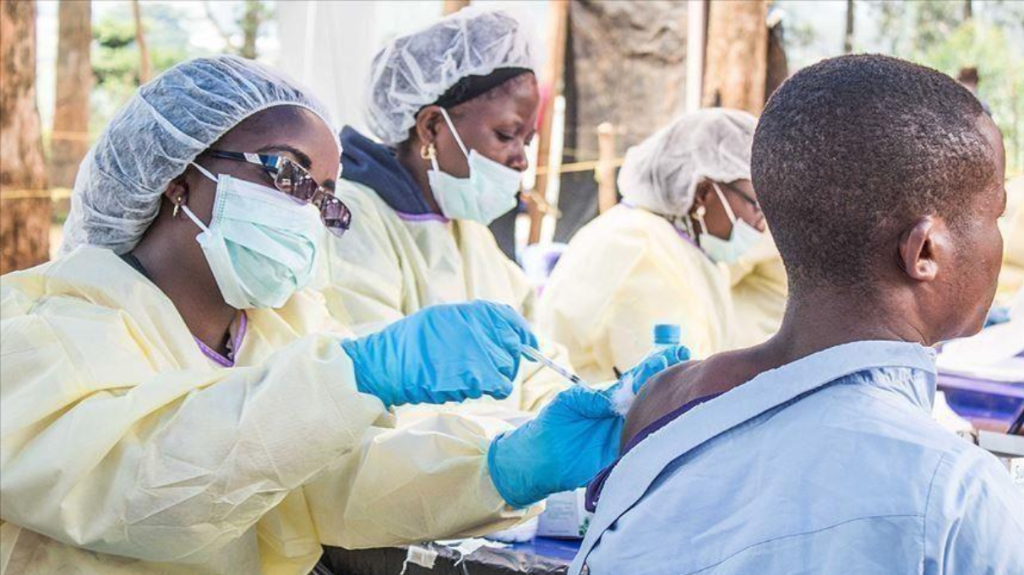
Today, Nigeria stands at a similar crossroads. With Africa’s largest population—over 230 million—its response will be watched closely. The nation’s health system, bolstered by the Nigeria Centre for Disease Control (NCDC), Africa CDC, and WHO, has mobilized rapidly. Surveillance at entry points, rapid lab diagnostics, and infection prevention measures are now in full force.
Yet success is not guaranteed. Past victories were hard-won. Speed and coordination will be decisive in preventing this imported case from igniting a new chain of transmission.
How Ebola spreads—and how to stop it
Ebola virus disease (EVD) is unforgiving. Early symptoms include fever, muscle pain, severe headache, and gastrointestinal distress. As the disease progresses, it can cause bleeding and organ failure, with a case fatality rate up to 50–90% depending on strain and response.
Transmission occurs only through direct contact with the blood, vomit, or other bodily fluids of an infected person—not through airborne particles. Contaminated objects, such as needles or bedding, can also spread the virus.
Given these risks, public awareness is critical. Health officials are urging anyone with compatible symptoms—especially after travel to affected regions—to contact health authorities immediately. Self-medication or avoidance of medical care only increases the danger to family and community.
The path forward: coordination, speed, and trust
For now, one confirmed case does not mean an outbreak is underway in Nigeria. The trajectory will depend on:
- Effective tracing and monitoring of all 44 identified contacts
- Rapid identification of any secondary infections
- The speed and quality of the public health response
But the message is clear: Ebola has breached the defenses of Africa’s most populous nation. The next 72 hours will be decisive. Governments across West Africa must act quickly—sharing data, fortifying borders, and reinforcing trust in health systems.
One case. One critical moment. One chance to prevent history from repeating itself.