Breaking silence in Niamey: The state finally acknowledges Moussa Kaka’s detention
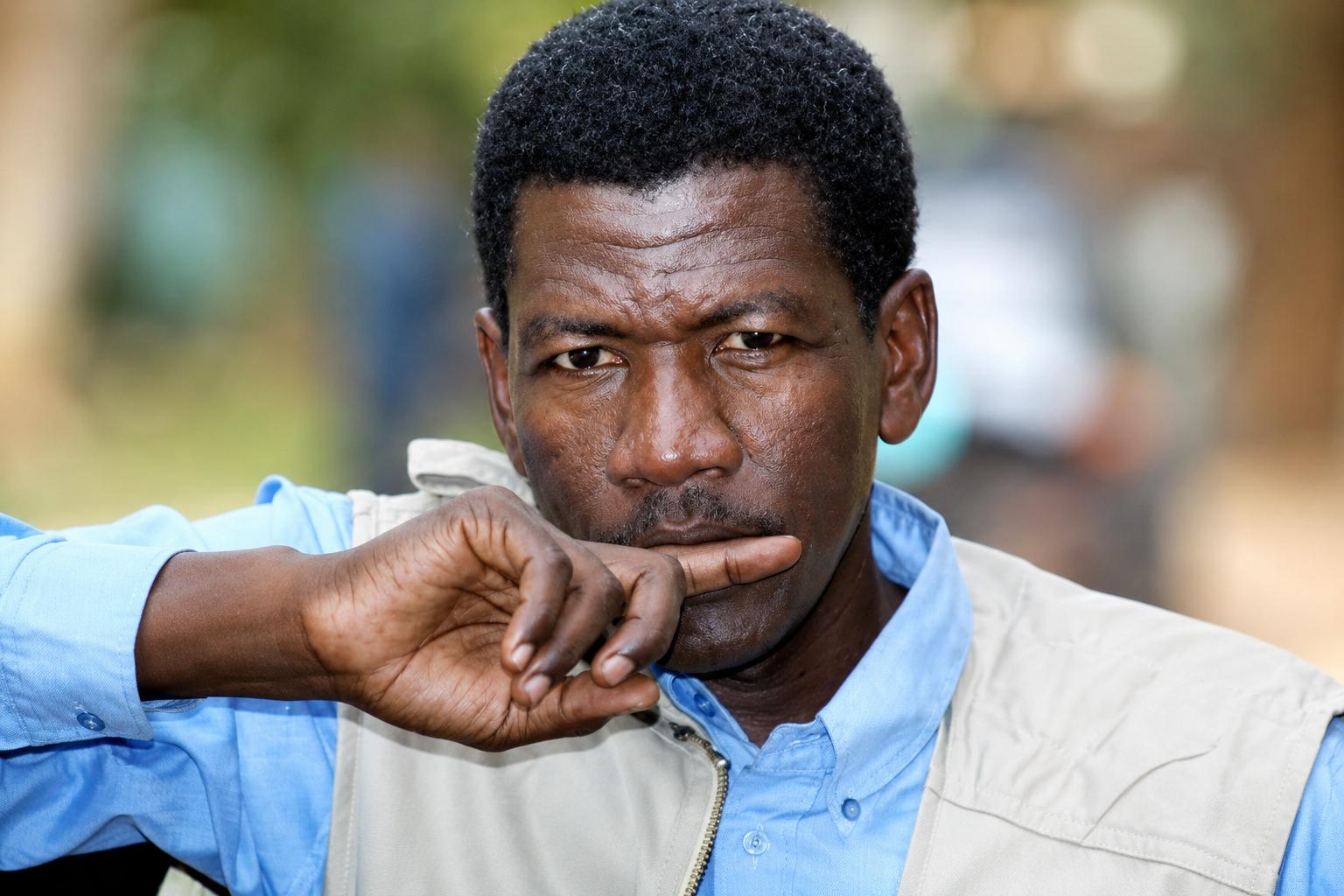
For weeks, Africa’s media landscape held its breath as the sudden vanishing of Moussa Kaka, a leading Nigerien journalist and human-rights advocate, morphed into a national crisis. After he left his office in central Niamey on 31 August 2026, no phone calls were answered, no statements were made, and no visible trail emerged. Only the growing chorus of press-freedom defenders kept the suspicion alive—had the veteran reporter been abducted, spirited away, or simply silenced?
The prolonged silence shattered last month when the transitional government, under mounting domestic and international pressure, issued its first official statement: Mr Kaka was alive, in state custody, and receiving consular monitoring. While the news quelled immediate fears for his safety, it did nothing to erase the mounting questions about legality or due process.
Press freedom coalition pivots from alarm to action
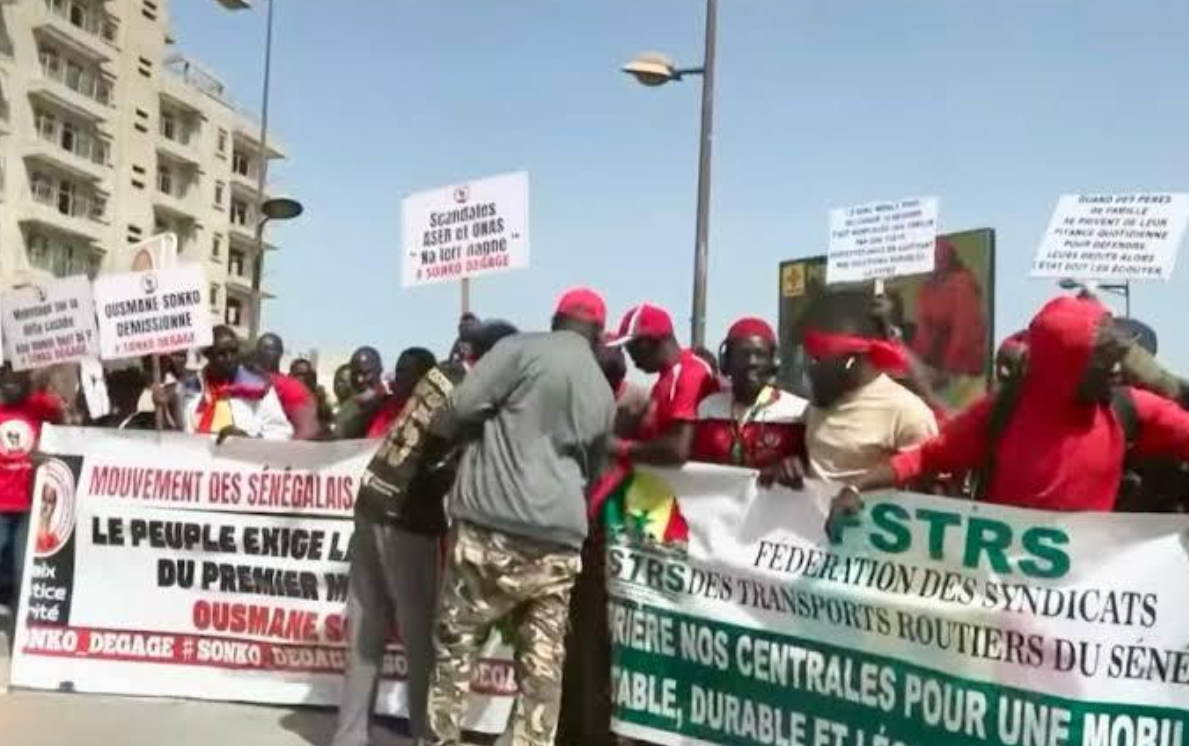
What began as whispered anxiety in editorial rooms across Niger has now crystallized into a unified front. The newly formed coalition Journalists for Human Rights (JDHR) has escalated its campaign, demanding decisive transparency from the interim authorities. Its rallying cry—“Tell us what he is accused of”— encapsulates the refusal to accept indefinite detention without formal charges.
In a formal communiqué, the coalition outlined three non-negotiable demands:
- Immediate disclosure of the legal grounds for holding Mr Kaka, accompanied by sworn statements detailing each accusation;
- Unrestricted access to his undisclosed place of detention so that independent doctors and lawyers can verify his physical and psychological condition;
- Prompt judicial hearings to guarantee Mr Kaka the constitutional right to counsel, family visits, and a fair trial.
From forgotten cell to constitutional test case
Journalism in Niger today operates under a paradox: the more the country’s fragile transition claims to prioritise national security, the tighter the reins on independent reporting become. Legal investigations, human-rights dispatches, and even routine street interviews are frequently rebranded as threats to public order, inviting summons or summons-like silence.
Mr Kaka’s case has therefore become a bellwether. If the interim government can detain a reporter of his reputation without presenting evidence or formal charges for months, what safeguards remain for the next investigative byline?
Civil-society leaders warn that the longer the detention drags on without judicial oversight, the deeper the erosion of public trust in Niger’s still-fragile institutions. In public forums and private briefings, they stress that no security rationale can justify abandoning the foundational principle of habeas corpus.
Next steps: From advocacy to accountability
The JDHR coalition has already secured written commitments from the Justice Ministry to schedule a preliminary hearing within 48 hours of formal charge sheets being served. Simultaneously, regional press bodies have pledged financial and legal assistance to Mr Kaka’s defence team, underscoring that this is no longer a local dispute but a continental test of media rights.
For now, the clock is running. Each day that passes without tangible progress pushes Niger a step further down a treacherous slope—one where press freedom is bartered away in the name of expediency and where the next headline could just as easily be written from a detention cell.