Why Benin is drawing a line against CNews
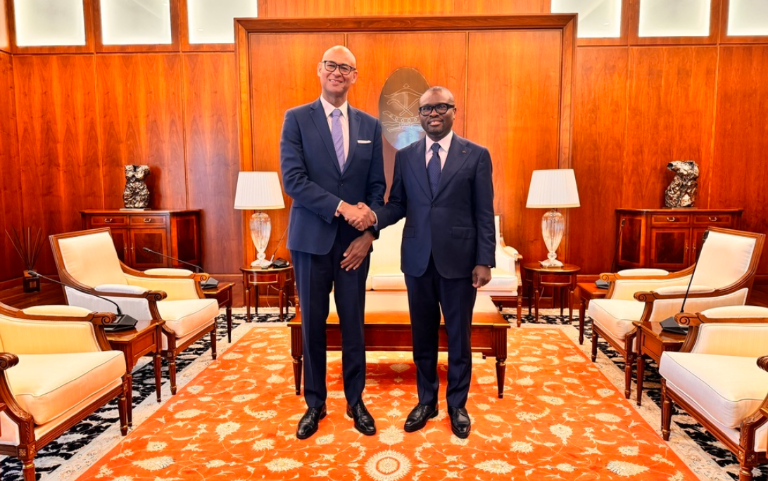
In a bold move signaling a turning point in Benin’s media landscape, Claudy Siar, the president’s special envoy, has called for the removal of French news channel CNews from local broadcast bouquets. The demand follows repeated accusations of racist and demeaning portrayals of African communities in the channel’s programming, igniting a national debate on media accountability and the protection of dignity.
From outrage to action: the birth of a media accountability campaign
Claudy Siar’s public stand was not born out of idle criticism. Speaking on local airwaves, he described what he termed a “systematic pattern of stigmatization” targeting Africans on CNews, including insults, negative stereotypes, and denigration of cultural identities. He argued that Benin, as part of the African community, cannot remain silent when such content is broadcast to its citizens.
“We cannot accept a platform that perpetuates hate speech against any group,” Siar stated, emphasizing that a line must be drawn between freedom of expression and the duty to protect human dignity. His remarks resonate deeply in a country where media diversity is valued, but so is social cohesion.
Why this move matters now
The timing of Siar’s intervention is crucial. While CNews has faced regulatory scrutiny in France—with sanctions including fines of €20,000 and €60,000 in July 2024 for broadcast violations—its continued distribution in Benin has raised new concerns. Siar insists that Benin must act independently, not as an extension of European regulatory decisions, but as a sovereign nation committed to safeguarding its people from harmful discourse.
Who holds the power to act? Channel operator and regulator
The pathway to removing CNews involves multiple stakeholders. Siar announced plans to formally request Canal+ Benin to cease carrying the channel in its broadcast packages. Beyond dialogue with the distributor, he also intends to engage the Haute Autorité de l’Audiovisuel et de la Communication (HAAC), Benin’s media regulatory body, to assess whether the channel violates national standards on harmful content.
While a demand to a broadcaster does not equate to a legal ban, it signals a willingness to explore all avenues—including regulatory action—if justified by the content in question. The HAAC, led by President Édouard Loko, is expected to review the complaints and determine appropriate steps within the bounds of Benin’s media law.
What happens next? Stakes and uncertainties
At present, there is no official decision to remove CNews from Benin’s airwaves. The outcome depends on several factors:
- The response from Canal+ Benin, which may choose to comply, negotiate, or reject the request based on contractual and editorial considerations;
- The findings of the HAAC, which must evaluate whether CNews breaches Benin’s regulations on hate speech or media ethics;
- The broader public and political debate unfolding across media and civil society platforms.
This initiative by Claudy Siar has already shifted the conversation from passive observation to active engagement. Whether it leads to a formal ban or remains a powerful statement of principle, it marks a significant moment in Benin’s evolving broadcast landscape—and in the global fight against media-fueled discrimination.
Freedom of expression vs. protection from harm: the unresolved balance
The controversy surrounding CNews in Benin raises a universal dilemma: How do nations address content that is deemed discriminatory when it originates from abroad and is protected by foreign laws? While France permits certain types of speech within its regulatory framework, Benin has the sovereign right to define what is acceptable within its borders.
This is not about censorship, Siar insists, but about responsible media stewardship. In a connected world where content flows freely across borders, the question is no longer whether such content exists, but how responsible governments and broadcasters respond when it harms communities outside its place of origin.
As the dialogue unfolds, one thing is clear: Benin is no longer waiting on the sidelines. It is asserting its role—not as a passive consumer of global media, but as an active guardian of dignity and respect.