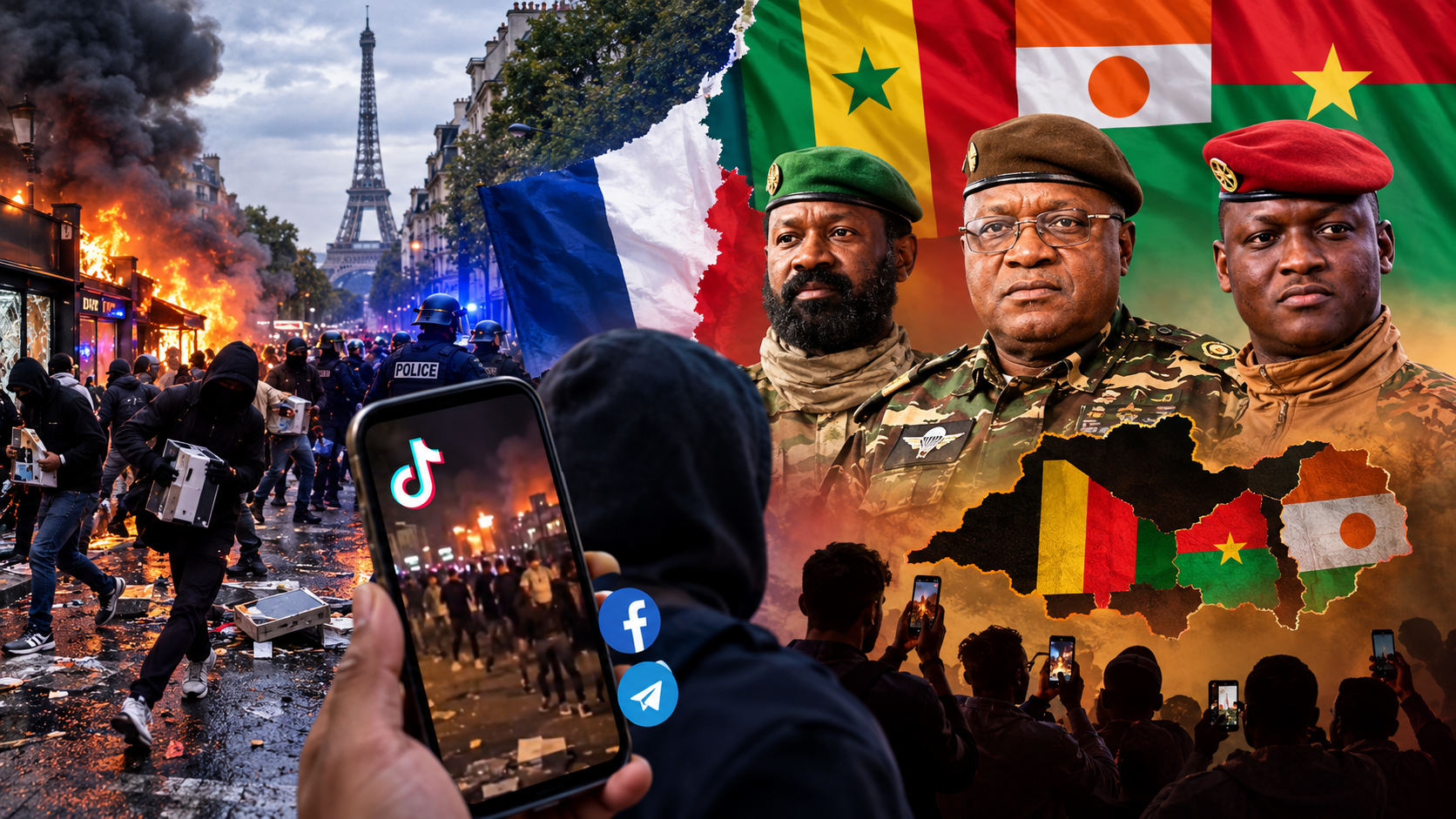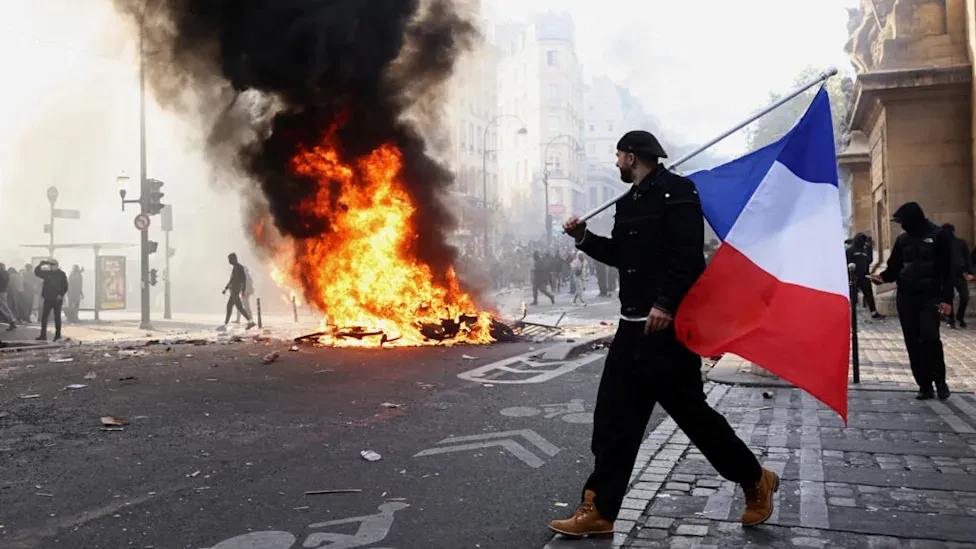
From shattered shopfronts to fiery barricades, the visuals of France’s urban unrest have become unmissable reels across Bamako, Ouagadougou and Niamey. Far beyond a domestic crisis, these images are the tipping point Sahel juntas have been waiting for to shatter Western legitimacy and consolidate their power.
How protests in Paris feed the military regimes’ propaganda machine
Scrolling through social feeds in Mali, Burkina Faso and Niger, one trend dominates: the strategic hijacking of France’s turmoil. Where Western commentary frames the unrest as a governance failure, pro-junta voices spin it as historic karmic justice.
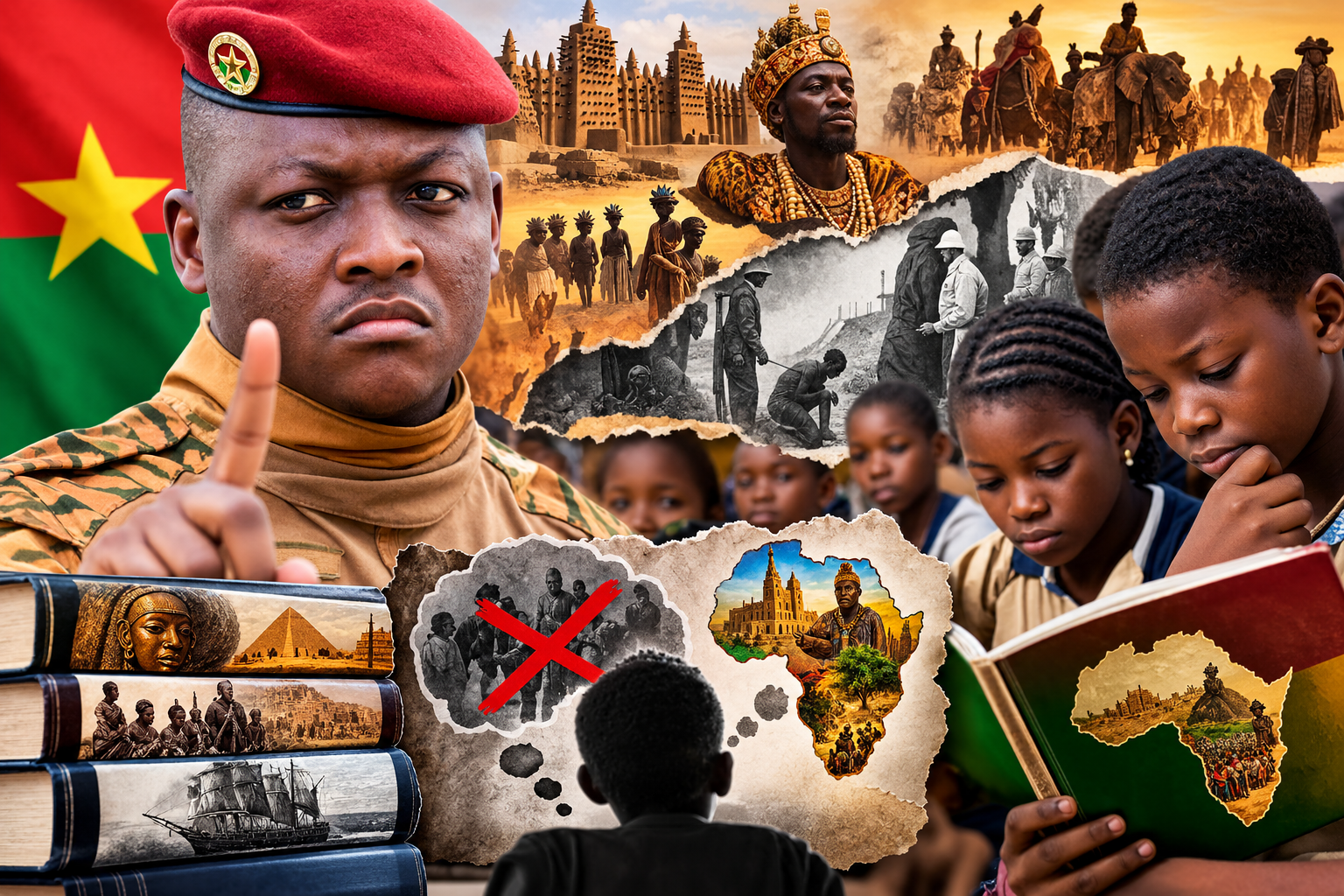
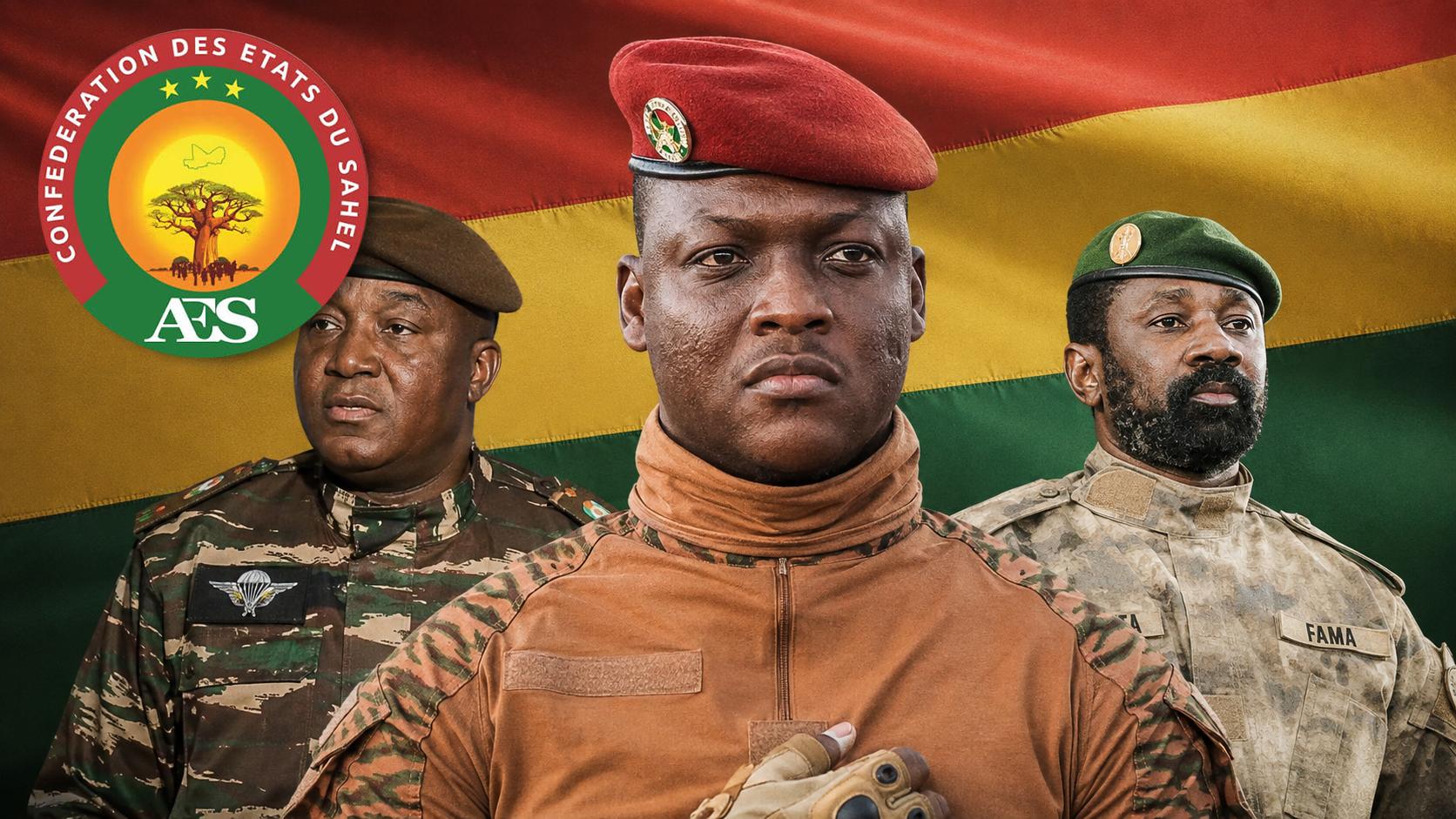
The 2020-2023 wave of coups put Assimi Goïta, Ibrahim Traoré and Abdourahamane Tiani in power, but the real battle began online. In this information war, every tear-gassed square metre of Paris becomes ammunition for Sahelian operators peddling an anti-French gospel.
From lecturing podiums to laughing stocks: Paris loses its moral high ground
For decades, Paris tied aid and diplomacy to democratic benchmarks: human-rights compliance, press freedom, the right to protest. Today, Sahelian activists revel in pointing at France’s double standards. Social-media snippets pair clips of French police dispersing crowds with the same regimes’ clampdowns on dissent, framing both as twin fascades of hypocrisy.
The three pillar objectives behind the narrative shift
- Undermine liberal democracy: By painting French-style liberalism as chaotic and decadent, junta mouthpieces elevate their iron-fist rule as the only credible shield of national sovereignty.
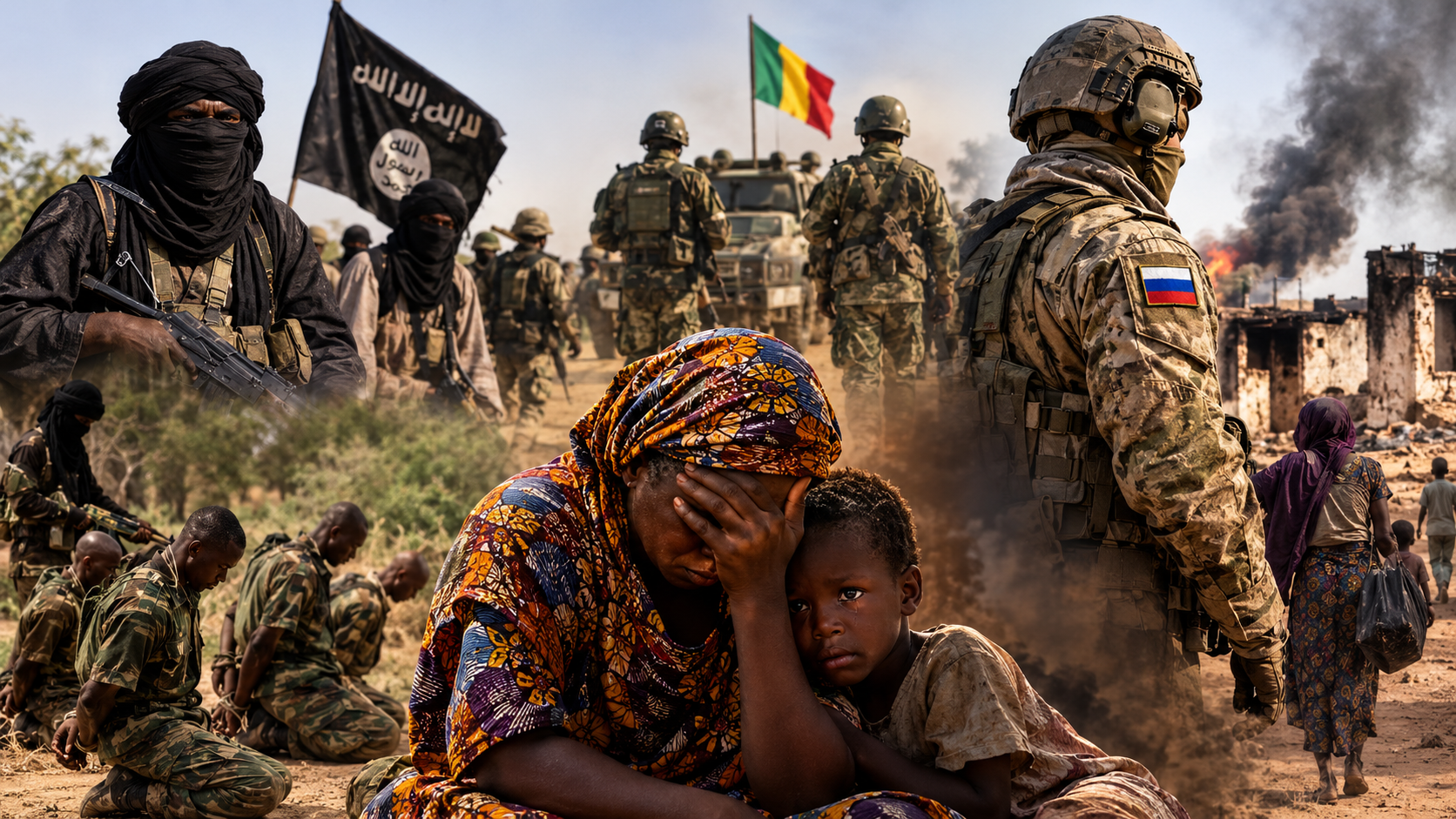
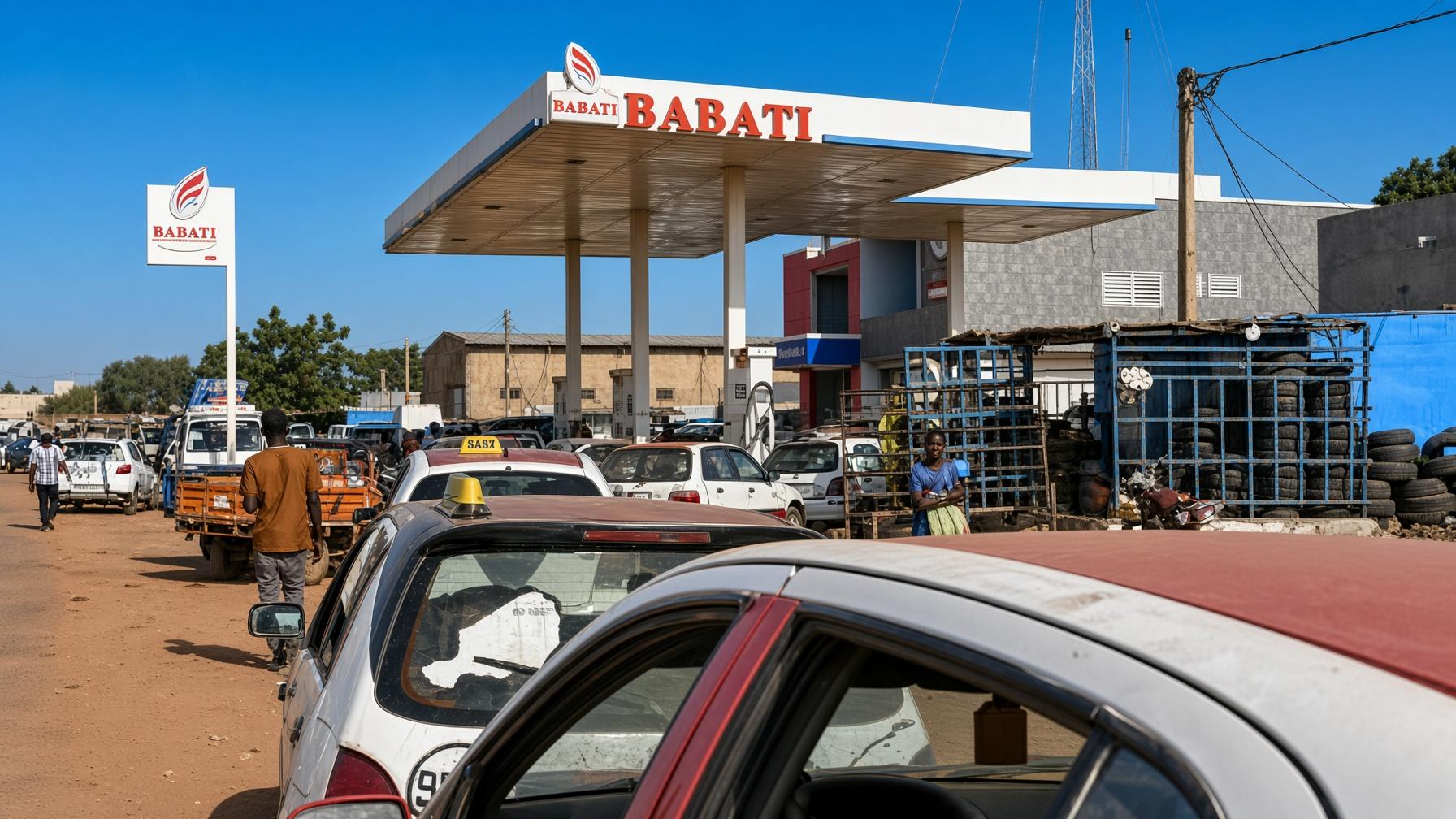
- Deflect local failures: Flooding the information space with Paris burning distracts publics from persistent jihadist threats, double-digit inflation and chronic blackouts.
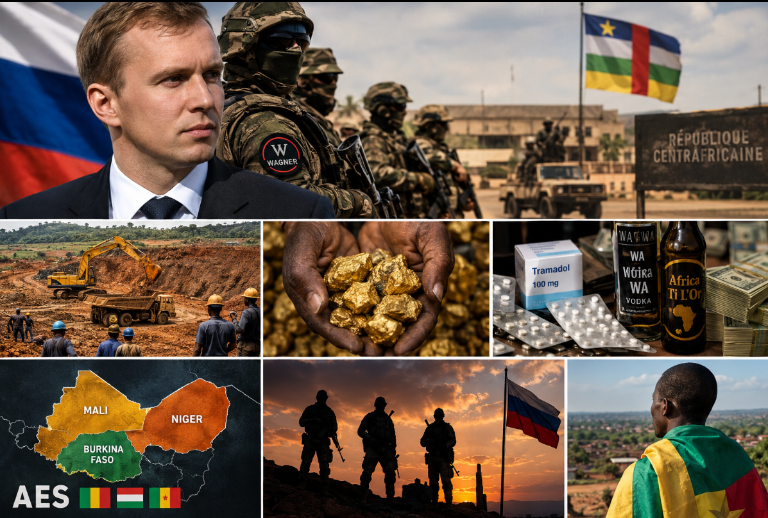
- Legitimise a pivot away from the West: Relayed by Moscow-linked influencers, the footage feeds the narrative of a fading Occident, paving the way for new alliances with Russia, Turkey and Iran.
Smoke and mirrors: the limits of the junta’s triumphant tale
Independent observers quickly note the contradiction: France’s open civic space—where citizens sue governments, stage indefinite strikes and lampoon leaders—remains a utopia for Sahelian dissidents, most of whom now face imprisonment under treason statutes.
Yet perceptions move faster than truths. Each cobblestone hurled against Parisian police erodes French soft power south of the Sahara. Regimes whose legitimacy rests on the rejection of France find in every viral Molotov cocktail the perfect proof that the old colonial master has lost its halo.
What the new geopolitical normal looks like
As the dust from Paris settles, the Sahel’s image architects are already drafting the next script: a continent reclaiming its narrative and rejecting Western moralising. For now, the narrative feels unstoppable—but only as long as the footage keeps streaming.