The turning point no one saw coming: when Sahel regimes swapped one debt for another
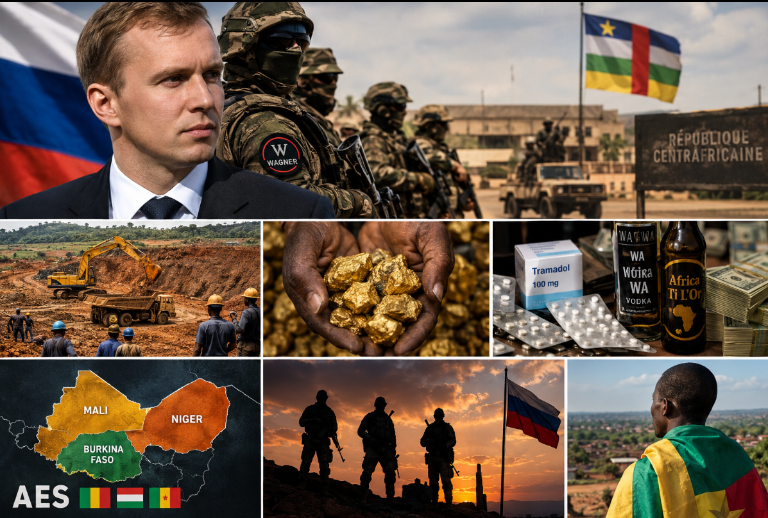
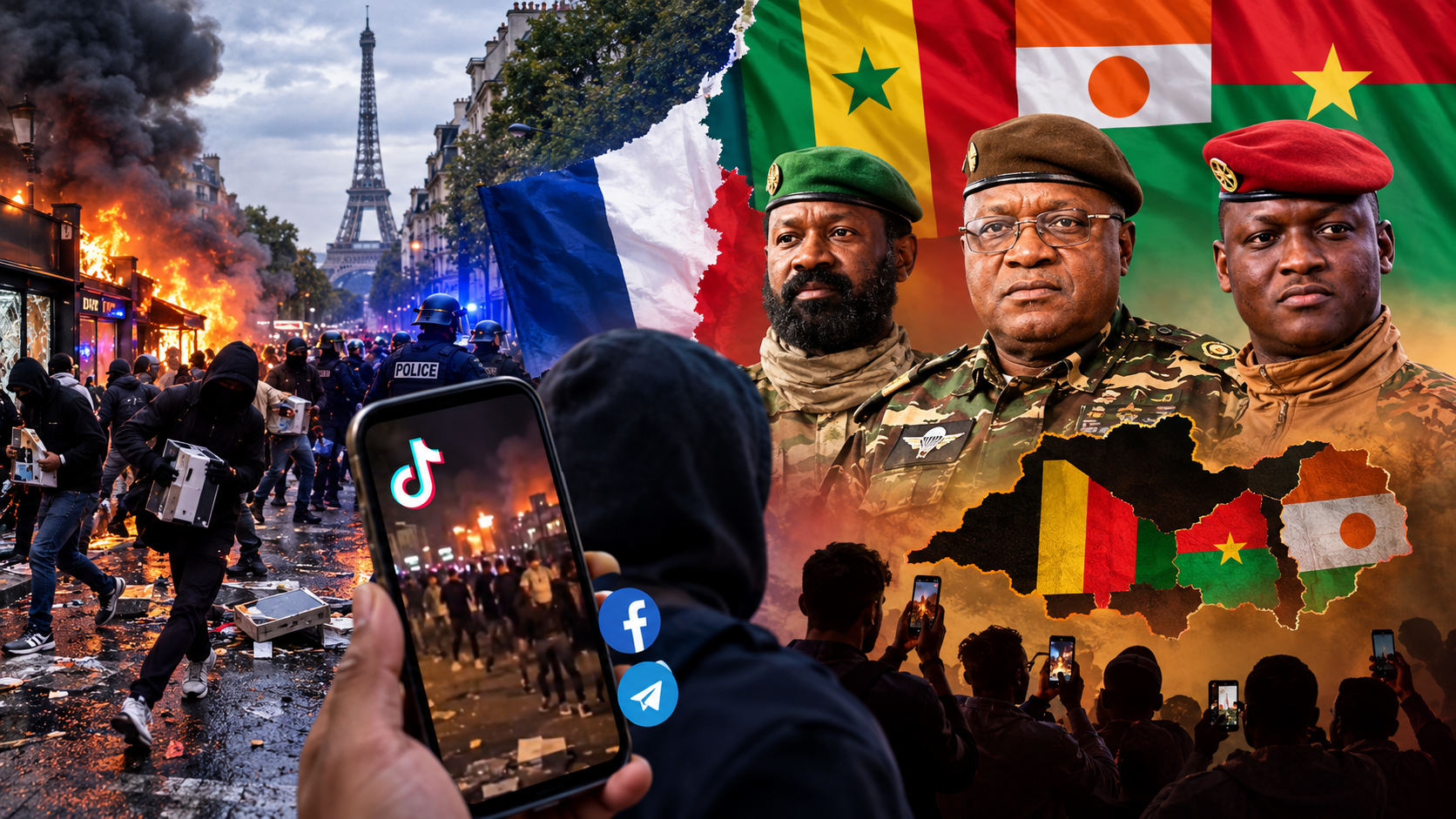
In pursuit of what they called true sovereignty, military regimes in Mali, Burkina Faso, and Niger severed ties with former colonial powers and western security partners. Yet the arrival of the Africa Corps—a rebranded face of Wagner’s paramilitary network—has quietly introduced a new form of dependence, one that comes with staggering financial, operational, and strategic costs. The question now is simple: at what price does this break from the West come?
Why the 2023 defense pact was supposed to be the ultimate power move
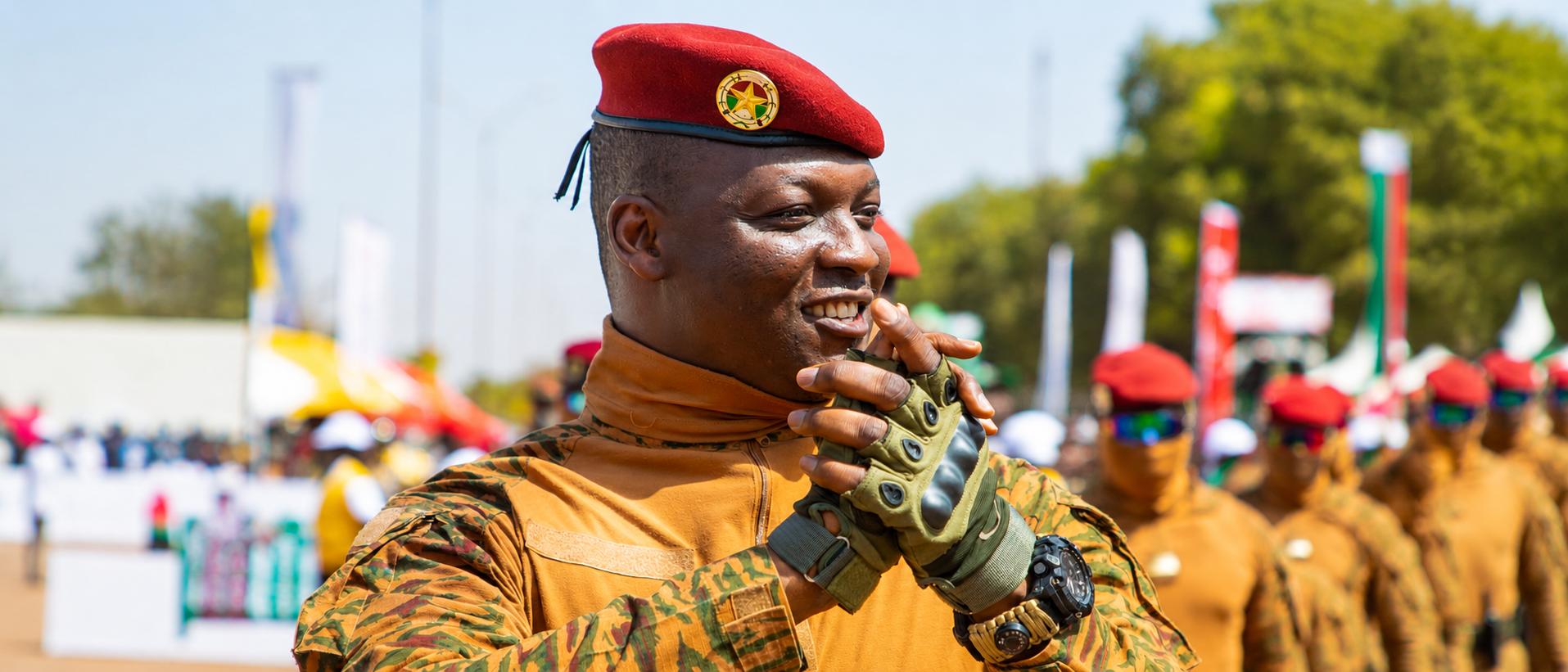
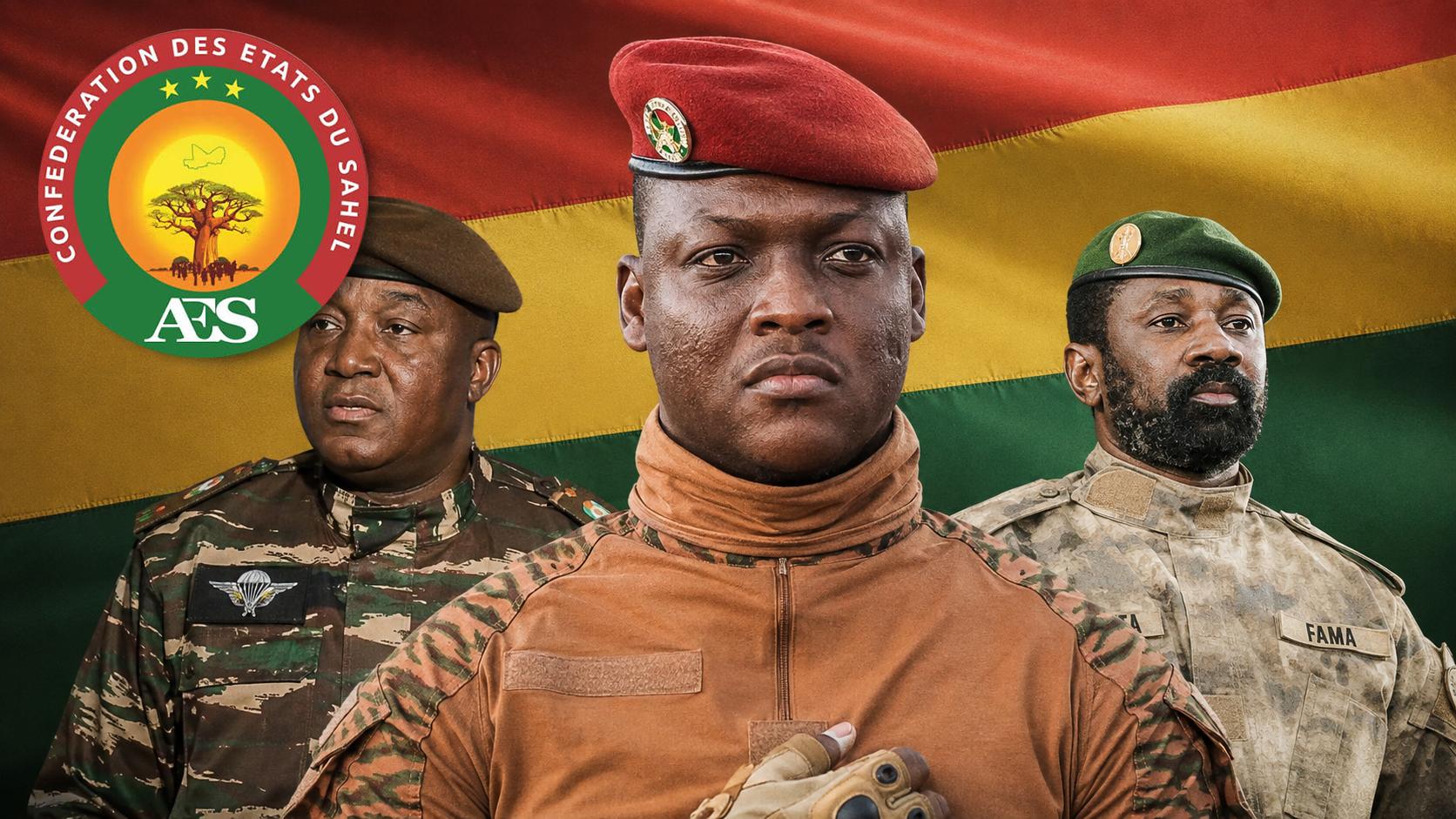
Between 2021 and 2023, coups led by Colonel Assimi Goïta in Mali, Captain Ibrahim Traoré in Burkina Faso, and General Abdourahamane Tiani in Niger were framed as liberation acts. The expulsion of French troops and the rejection of Western military support were sold as necessary steps to reclaim national dignity and curb the jihadist threat—something, critics argued, Paris had failed to do.
In September 2023, the Alliance of Sahel States (AES) formalized this shift with a collective defense charter. The narrative resonated deeply within public opinion, reinforcing the juntas’ legitimacy despite international condemnation. But beneath the bold rhetoric, the reality on the ground paints a far less triumphant picture.
Far from achieving true autonomy, these regimes have merely traded one form of external control for another—this time, under Moscow’s strategic, financial, and operational influence.
Mali’s costly gamble: one billion dollars and no territorial gains
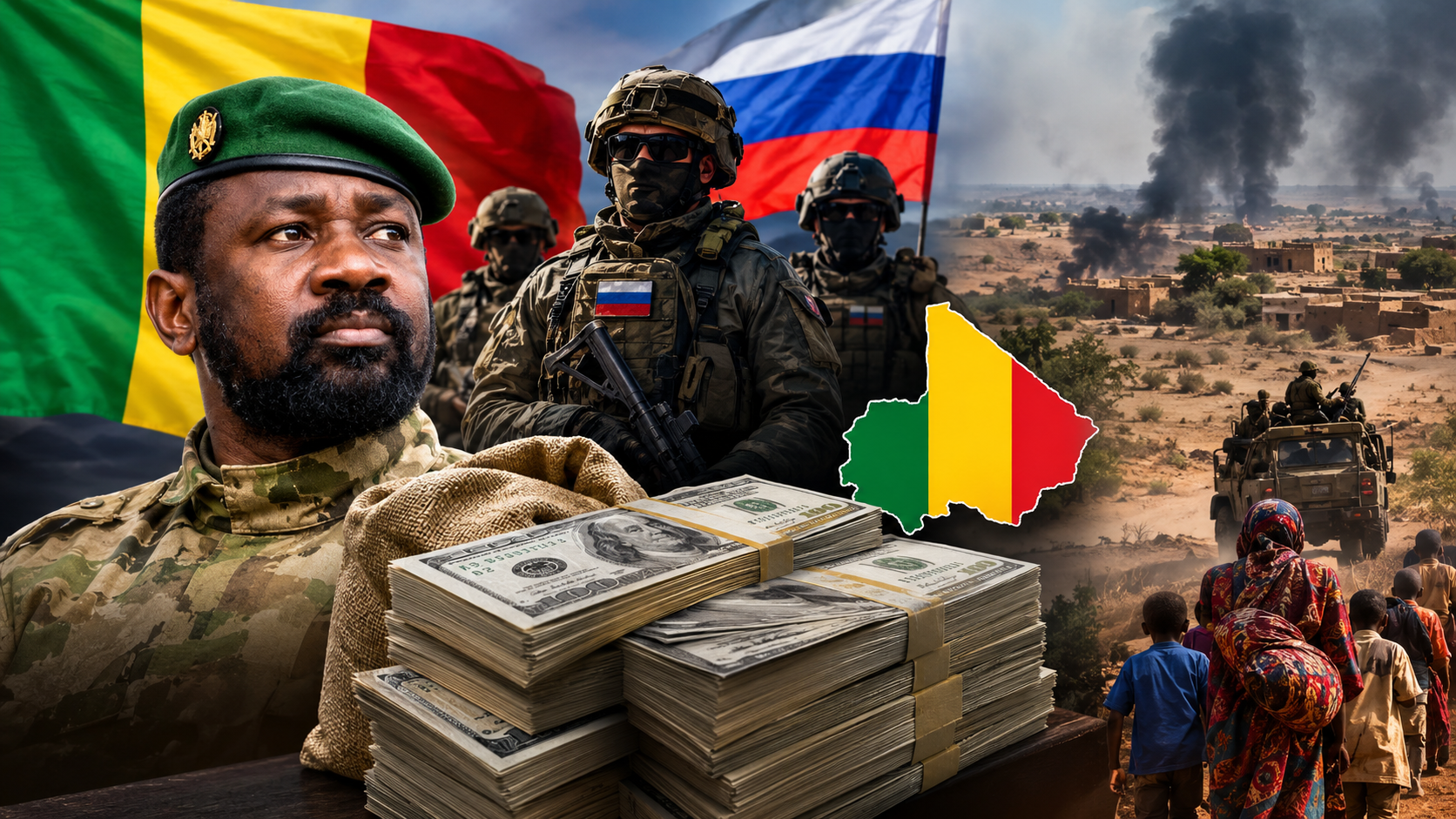
The financial burden is heaviest in Mali. Since 2021, Bamako has reportedly transferred over one billion dollars to Wagner—now operating as the Africa Corps—resulting in a monthly expenditure of approximately ten million dollars. This figure does not include additional payments for logistical support, ammunition, or intelligence cooperation. For a country already grappling with extreme poverty, this financial hemorrhage is unsustainable.
Unlike Burkina Faso or Niger, where Russian involvement is largely restricted to training and advisory roles, Mali’s engagement is deeply operational. Wagner fighters have taken up frontline combat roles, especially in northern regions like Kidal, Ménaka, and Gao. Yet despite this sustained military presence, the data tells a troubling story: territorial control has not improved.
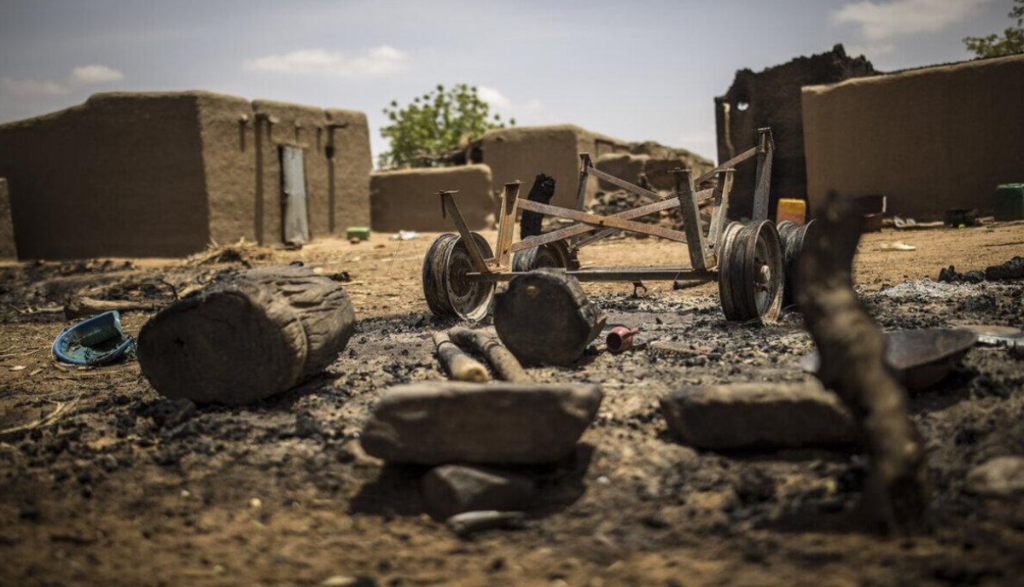
In April 2026, Wagner forces withdrew from the Kidal region under heavy pressure from Tuareg rebel factions. Since then, strategic towns such as Tessalit, Anéfis, and Aguelhok have fallen back into rebel hands. Southern zones around Gao and Ber have seen their stability erode, with rural areas slipping beyond government control. International observers warn that without a negotiated political settlement, the military gains secured thus far could vanish entirely.
Security failure meets financial drain: the double crisis of the AES
Despite troop levels estimated between 1,000 and 1,500, the Africa Corps has failed to reverse the tide of insurgency. Reports indicate persistent operational challenges: lack of local intelligence, poor coordination with national forces, and an inability to secure supply lines. The result? A slow but irreversible erosion of state authority across vast swathes of northern Mali.
The financial cost is only one dimension of this crisis. The second is structural: by placing combat operations in the hands of a foreign paramilitary force, Bamako has surrendered a critical component of its sovereignty—the ability to defend its own territory independently. This externalization of security not only weakens institutional capacity but also exposes the regime to political blackmail and sudden withdrawals of support.
A new form of colonialism? The protectorate paradox in the Sahel
Analysts are beginning to compare the current situation to Cold War-era interventions in Angola and Ethiopia, where regime survival depended entirely on external military support. When that support dried up, the fragility of those states became unmistakable. Today, history seems to be repeating itself in the Sahel, but with a modern twist: the protectorate is no longer named Paris or Washington, but Moscow.
What began as a bold move toward independence has quietly morphed into a dependency disguised as partnership. While the juntas have diversified their arms suppliers—turning to Turkey for drones, Iran for missiles, and China for infrastructure loans—they remain locked in combat operations under Russian command. This creates a dangerous paradox: political sovereignty is loudly proclaimed, but operational autonomy is increasingly compromised.
The International Crisis Group has described this phenomenon as discursive sovereignty versus practical sovereignty. The juntas can reject Western demands and reject former alliances, but they cannot reject Moscow’s financial conditions, operational demands, or strategic timetables. They have not escaped colonial influence—they have merely rebranded the colonizer.
What’s next? Rebuilding security without surrendering to Moscow
The path forward is fraught with risk. Public frustration is growing. Economic strain is intensifying. And the jihadist threat remains as potent as ever. If the Africa Corps cannot reverse the tide, the only viable option may be a negotiated settlement—one that reasserts state authority without relying on foreign mercenaries.
Yet time is not on the junta’s side. With each passing month, the financial toll rises. With each tactical retreat, the narrative of invincibility fades. And with every civilian casualty blamed on Russian-led operations, public trust in the military leadership erodes further.
The real test of sovereignty is not the ability to reject the West—it is the capacity to defend your people without becoming dependent on another empire. The Sahel’s juntas may have turned a page, but the chapter they are writing might be leading toward a new kind of subjugation.