North Korea’s political future hangs in the balance as unverified reports suggest Kim Jong-un may be in a coma following a severe cerebral hemorrhage, with claims he was rushed to Beijing for emergency medical treatment. While these allegations have circulated globally, Pyongyang has remained silent, leaving the international community to grapple with uncertainty over the regime’s stability.
The latest rumors surfaced amid a flurry of social media claims, amplified by foreign press coverage, but no official confirmation has been issued by North Korean or Chinese authorities. The lack of transparency from Pyongyang has only deepened speculation, raising concerns about the potential power vacuum and its implications for regional security.
The origins of the rumors and the mystery of Kim’s whereabouts
The claims trace back to unverified social media posts, including those from political dissidents, which allege that Kim Jong-un suffered a catastrophic stroke and was airlifted to Peking Union Medical College in China—a facility known for its advanced neurological care. The reports suggest his condition was deemed too critical for treatment in Pyongyang, though no public medical records or independent verification have emerged to support these assertions.
The rapid spread of these rumors underscores the volatility of information when it involves one of the world’s most secretive leaders. While some international outlets have echoed the claims, they have not provided substantive evidence to corroborate the narrative of an ongoing medical emergency.
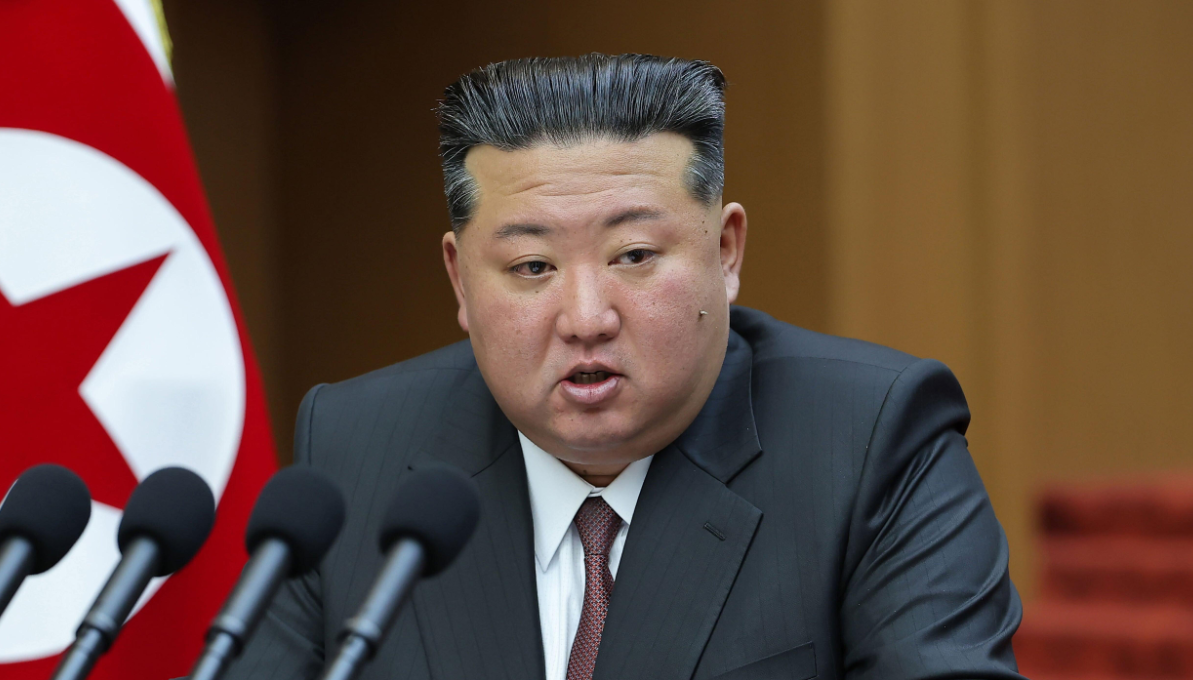
Adding to the confusion, Pyongyang recently released state media images of Kim Jong-un attending a public event alongside his daughter, Kim Ju-ae. The photographs, dated October 20, have fueled debate about their timing and authenticity, with skeptics questioning whether they were intentionally released to counter the wave of speculation. However, without independent verification, these images offer no definitive clarity on his current health status.
Why North Korea’s opacity fuels global uncertainty
Kim Jong-un’s health has long been a subject of intense speculation, given the regime’s ironclad control over information and the historic precedent of leadership transitions in Pyongyang. His father, Kim Jong-il, died in 2011 after years of speculation about his failing health, while his grandfather, the regime’s founder Kim Il-sung, passed away in 1994. These precedents make any prolonged absence or health crisis a matter of immediate geopolitical consequence.
South Korea, China, the United States, and Japan are watching closely, as any instability in North Korea could disrupt the delicate balance of power in Northeast Asia—particularly concerning the country’s nuclear ambitions and regional security frameworks. The absence of official statements has only intensified the sense of a turning point, leaving analysts to weigh the potential fallout of a leadership vacuum.
The potential successors and the power dynamics at play
Should Kim Jong-un be incapacitated, the regime’s tightly controlled succession process could come under strain. His sister, Kim Yo-jong—already a prominent figure in North Korea’s political hierarchy—has emerged as a plausible candidate to maintain continuity. Meanwhile, Kim Ju-ae’s growing presence in state media suggests she may also be groomed for a future role, though the specifics of any transition remain speculative.
The uncertainty also raises questions about the loyalty of key military and party officials, whose allegiances could shift rapidly in the event of a power struggle. The North Korean regime has historically relied on a culture of absolute loyalty to the Kim dynasty, but the absence of clear leadership could test the cohesion of its inner circle.
For now, the international community must navigate this precarious moment with caution. With no verified information to confirm Kim Jong-un’s health or whereabouts, the global response remains provisional, relying on intelligence reports and historical patterns rather than hard evidence. The coming days may bring clarity—or deepen the crisis of credibility surrounding one of the most secretive regimes on Earth.
Key takeaways amid the uncertainty
- Unverified claims: Reports of Kim Jong-un’s coma and transfer to China remain unconfirmed, with no official statements from Pyongyang or Beijing.
- State media counter-narrative: Recent images of Kim Jong-un in public have fueled debate, but their authenticity and timing are difficult to verify independently.
- Geopolitical implications: Any leadership transition in North Korea would have immediate repercussions for regional security, particularly regarding its nuclear program.
- Potential successors: Kim Yo-jong and Kim Ju-ae are the most discussed figures, though the regime’s succession process remains opaque.
- Prudence required: Without concrete evidence, the global community must approach these rumors with skepticism to avoid premature conclusions.