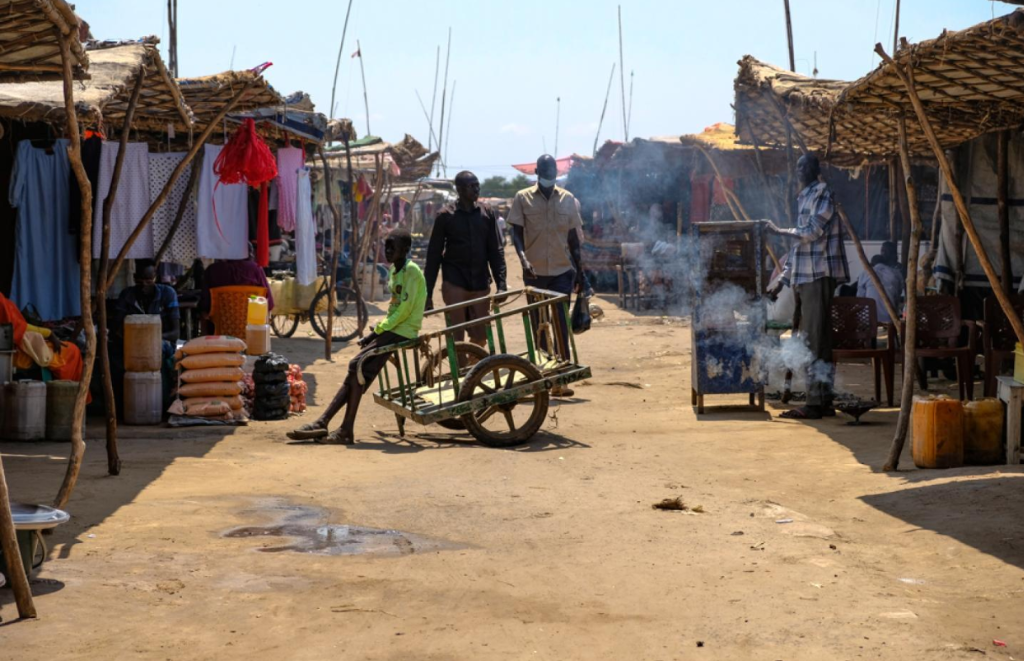
Market chaos after drone strike leaves 73 dead in disputed Abyei
A devastating drone strike on the Amiet market in Abyei has triggered a major diplomatic crisis between Sudan and South Sudan. The attack, which local officials blame on Sudan’s military, killed at least 73 civilians and injured 19 during a late morning strike on October 19, 2026. The incident marks a sharp escalation in tensions over the oil-rich but contested region, forcing Juba to summon Sudan’s ambassador in protest.
With the death toll expected to rise as rescue teams sift through the wreckage, this attack represents a turning point in the long-simmering conflict over Abyei’s future. The strike also threatens to destabilize cross-border trade that sustains thousands of families on both sides of the border.
Why Abyei’s market became the target of deadly violence
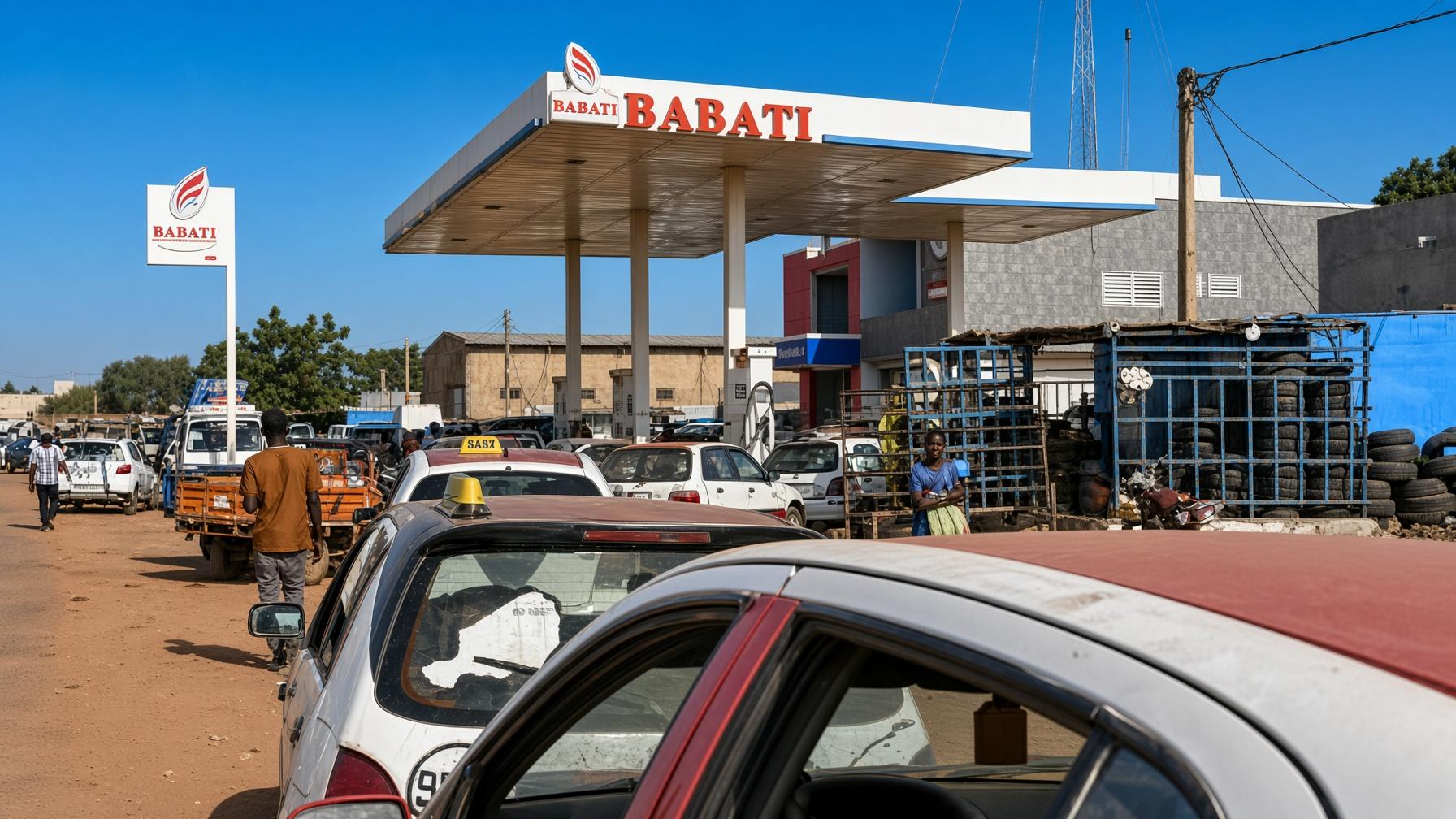
Operating near the Sudan-South Sudan border, the Amiet market serves as a lifeline for communities in the disputed territory. Vendors and customers from multiple ethnic groups trade fuel, food, medications, and building supplies in a bustling commercial hub. The presence of fuel depots in parts of the market, however, may have drawn military attention, complicating rescue efforts amid thick smoke and scattered fires.
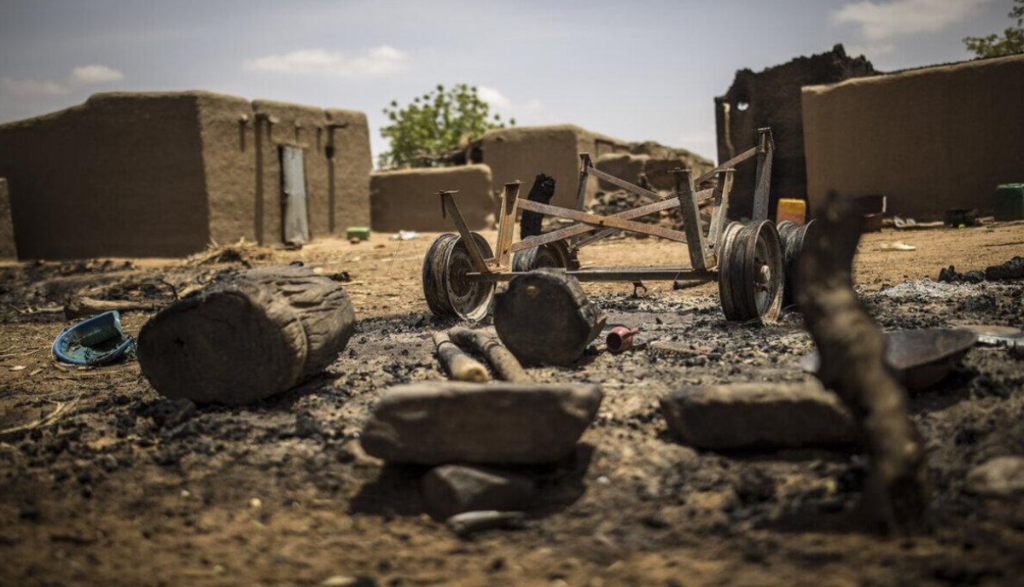
The attack began around 11:30 AM local time, catching shoppers and stallholders in the midst of their daily routines. Multiple drone strikes hit different sections, destroying stalls and triggering explosions in fuel storage areas. The blast radius extended across the market’s main thoroughfare, forcing emergency responders to navigate smoldering debris while evacuating the wounded.
Local authorities in Abyei have directly accused the Sudanese Armed Forces of carrying out the strike. While no official response from Khartoum has been issued, the accusation underscores a growing pattern of accusations and denials that have fueled regional instability.
Juba delivers strong diplomatic response to Khartoum
South Sudan’s government wasted no time in signaling its outrage. On October 20, 2026, the Ministry of Foreign Affairs convened Sudan’s ambassador to Juba for an emergency meeting, issuing a formal protest and demanding a full explanation. Juba emphasized the need to protect civilians and preserve the fragile peace in Abyei, warning against any further actions that could jeopardize regional stability.
The diplomatic intervention signals a new firmness in South Sudan’s stance toward Khartoum. While no retaliatory measures have been announced, the move highlights Juba’s unwillingness to tolerate military strikes that endanger civilians or destabilize border communities. The protest also calls for a return to diplomatic channels to resolve the long-standing Abyei dispute through structured dialogue.
Abyei’s unresolved status fuels regional insecurity
Abyei remains one of Africa’s most volatile border regions, a legacy of Sudan’s 2011 partition. Despite interim agreements, no permanent resolution has been reached over the territory’s political status or resource control. Tensions have flared repeatedly, with competing claims over land ownership, citizenship rights, and access to oil revenues complicating peace efforts.
The current crisis is further intensified by Sudan’s ongoing civil war, which has spilled over into neighboring areas. Clashes between the Sudanese Armed Forces and the Rapid Support Forces have disrupted supply chains, displaced thousands, and created new security vacuums exploited by armed groups. The Amiet market strike—whether intentional or collateral—exemplifies how military operations increasingly threaten civilian infrastructure in contested zones.
Protecting civilians in a landscape of unchecked violence
International humanitarian law mandates that belligerents avoid targeting civilians and take all feasible precautions to prevent harm. Yet in Abyei, crowded markets like Amiet are caught in the crossfire of competing military objectives and unclear chains of command. The lack of transparency surrounding this attack only deepens concerns about accountability and future protection for non-combatants.
In the absence of an independent investigation, questions remain unanswered: Was the market a direct military target? Were precautions taken to minimize civilian casualties? Until these questions are addressed, the cycle of violence and diplomatic recrimination risks spiraling further. Meanwhile, residents continue to face the dual threat of armed conflict and economic collapse as trade routes shut down and fuel shortages loom.
As families search for missing loved ones and aid workers rush to treat the wounded, the international community faces a critical test: Will this tragedy prompt urgent action to hold perpetrators accountable and secure civilian safety in Abyei—or will it become another forgotten casualty in a forgotten war?
Key developments following the attack
- A provisional death toll of 73 people, with 19 wounded, though officials warn the number may rise.
- Local authorities in Abyei have directly accused Sudan’s military of launching the drone strikes.
- South Sudan summoned Sudan’s ambassador to Juba on October 20, 2026, to lodge a formal protest.
- Emergency crews continue to comb through smoldering wreckage amid fears of secondary explosions.
- No official response from Khartoum has been recorded as of October 20, leaving the attack’s motives unverified.