From warnings to action: Mali’s turning point in civilian protection
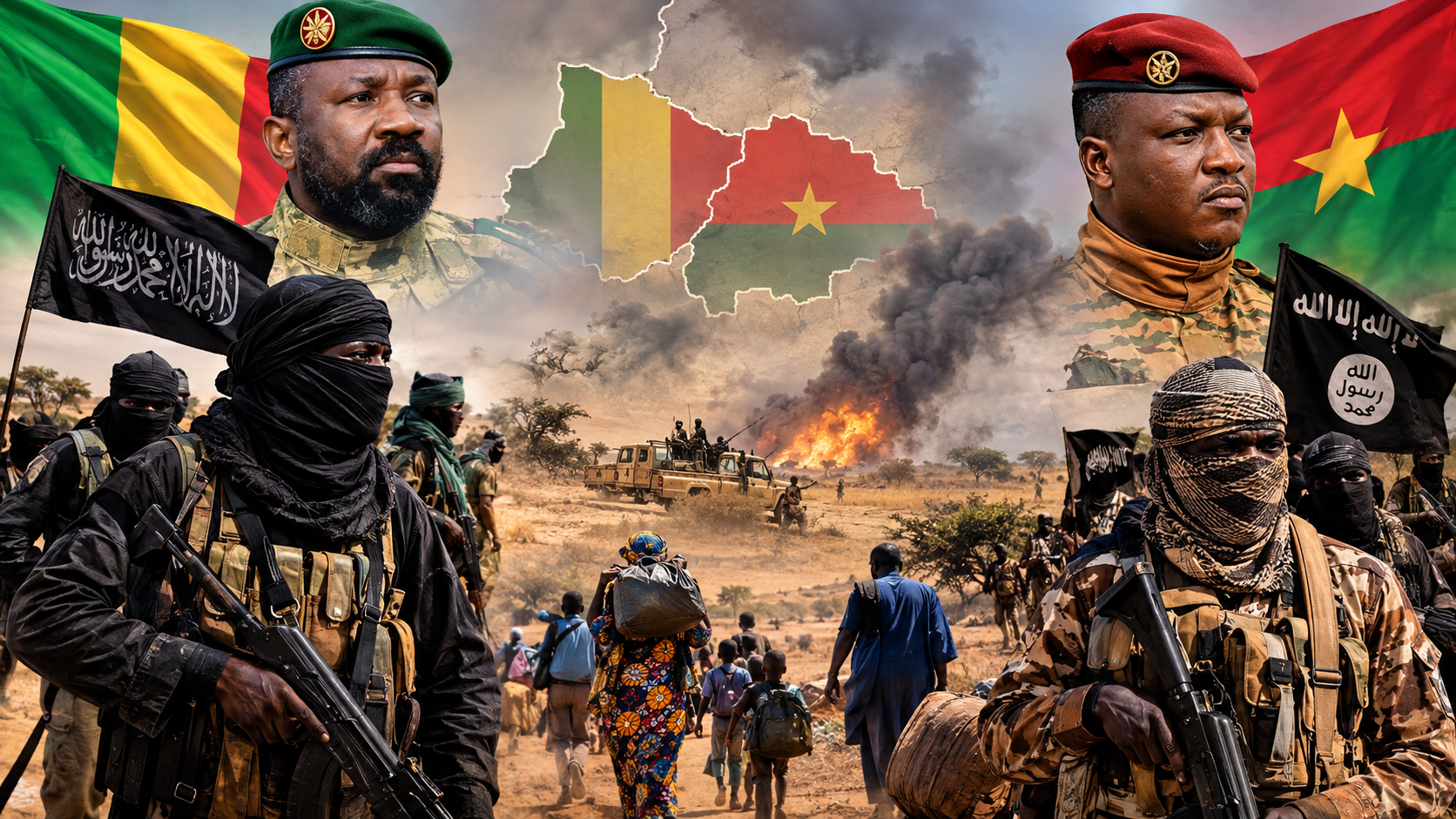
The crisis in Mali has reached a critical juncture. Recent findings reveal a disturbing surge in abuses against civilians, with all warring factions implicated. Human rights investigators have uncovered a pattern of violence that demands immediate and decisive intervention from regional leaders. The situation underscores a pivotal moment—not just for Mali’s stability, but for the credibility of Africa’s collective security framework.
Documented atrocities paint a grim picture
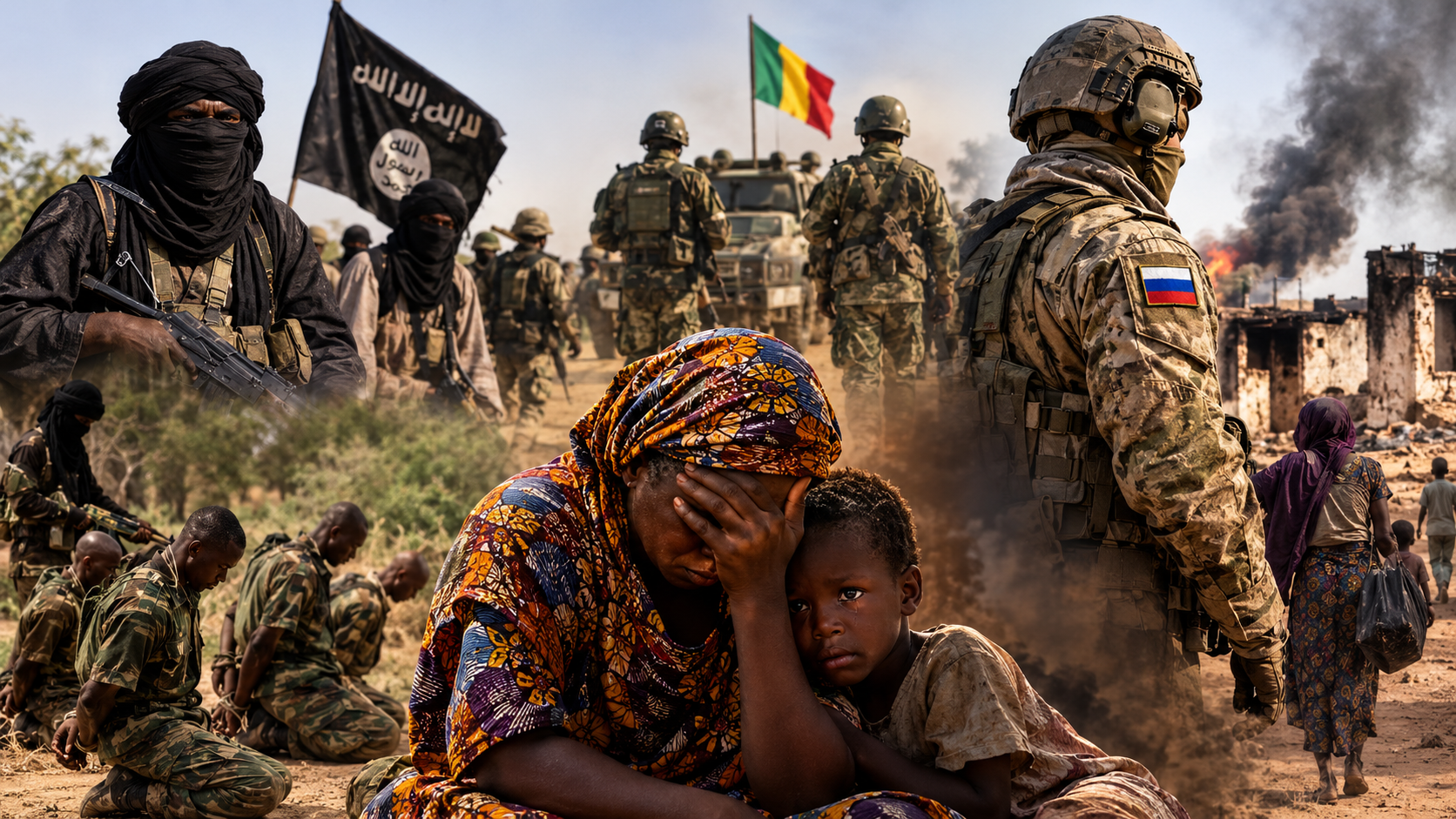
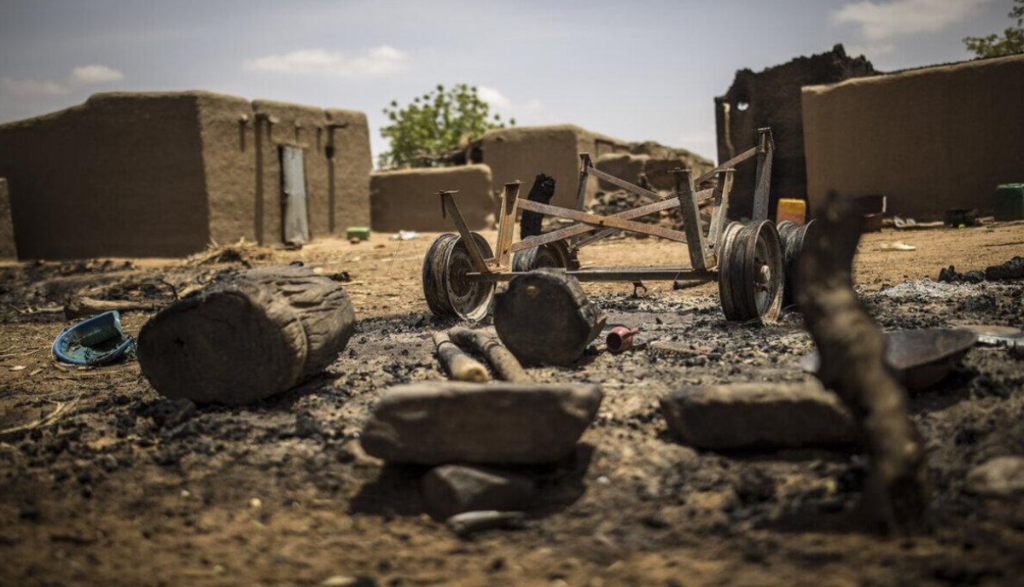
Between July and September of this year, field researchers documented multiple incidents involving military forces, allied militias, and armed insurgent groups. The evidence—gathered through interviews, visual documentation, and local testimonies—paints a stark portrait of a conflict where civilian life is increasingly under siege.
Among the most egregious cases is an August drone strike on a livestock market in Tombonkore, near Bandiagara. The attack, which killed six civilians and injured more than 20, occurred with no confirmed insurgent presence. Eyewitnesses reported that the market’s destruction left communities without vital resources, deepening economic hardships.
Another devastating incident targeted a medical facility in Talahandak, Kidal region. A reported drone strike damaged the health center, which was treating civilians and storing essential medicines. The loss of such an institution adds to the already severe healthcare crisis in northern Mali, where access to care remains precarious.
Government-aligned forces face scrutiny over civilian deaths
Civilian casualties attributed to state security forces have also raised urgent concerns. In mid-July, soldiers in the Ségou region reportedly killed five young girls, aged 10 to 13, while they worked in a rice field near Niono. Authorities cited a prior ambush as justification, but the incident has prompted scrutiny over the military’s adherence to distinction and proportionality principles under international law.
Further north, in the Mopti area, accounts from local leaders and rights defenders allege that allied Dozo militiamen killed at least three civilians in late July. These deaths, occurring during operations, highlight the blurred lines between combat and humanitarian protection, signaling a need for clearer rules of engagement.
Insurgent groups compound the crisis
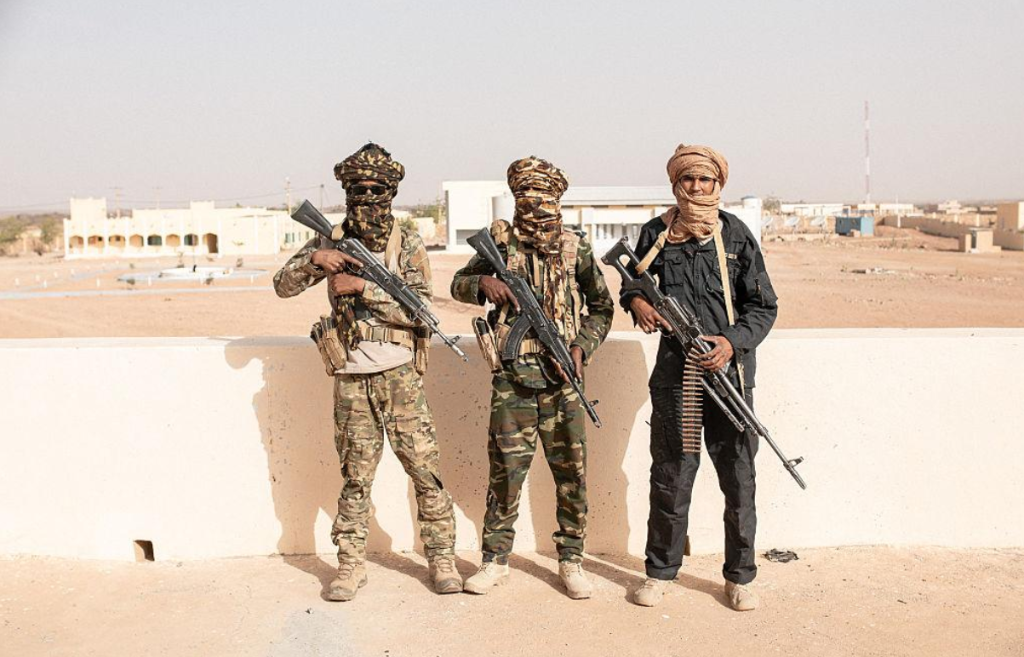
The violation of humanitarian norms is not limited to government forces. Reports indicate that armed groups, including the Group for the Support of Islam and Muslims (GSIM) and the National Movement for the Liberation of Azawad (MNLA), have intensified attacks targeting military convoys and civilian infrastructure.
In a particularly brutal episode near Tabrichat, Gao region, militants reportedly tortured and executed at least 19 captured soldiers. Such acts violate the fundamental tenets of international humanitarian law, which prohibit the killing, torture, and mistreatment of prisoners of war.
Can the African Union reverse the tide?
The mounting evidence of abuses across all sides of the conflict presents a clear challenge to the African Union (AU). Rights organizations are urging the Peace and Security Council to hold an emergency session focused solely on the protection of civilians in Mali. The call centers on accountability, transparency, and the need for independent investigations into alleged crimes by all parties.
In a formal communication sent to Mali’s Defense Ministry in early August, findings were shared with authorities. However, no response has been recorded as of the latest assessment, raising questions about the political will to address systemic violations.
A regional responsibility in crisis
The stakes are high. With civilians caught in the crossfire of military operations, retaliatory attacks, and insurgent offensives, the failure to protect non-combatants risks deepening social fragmentation and eroding trust in government institutions. The AU’s role is not merely symbolic—it is central to restoring stability and ensuring that justice prevails.
Accountability must go beyond condemnation. It requires concrete commitments: verifiable commitments from all warring parties, establishment of credible investigative mechanisms, and reparations for victims and their families. Without such measures, the cycle of violence will persist, and Mali’s civilians will continue to pay the heaviest price.
What’s next for Mali’s civilians?
The path forward is clear, though fraught with challenges. The AU must act swiftly to convene an emergency session, mandate independent inquiries, and impose consequences for violations. Civil society must remain vigilant, documenting abuses and advocating for justice. And most importantly, the people of Mali deserve more than rhetoric—they need protection, now.