The Alliance Fleuve Congo and M23 Movement (AFC/M23)’s military campaign against Rwanda’s Democratic Forces for the Liberation of Rwanda (FDLR) in the Democratic Republic of the Congo (DRC) has drawn sharp criticism for its alleged systematic targeting of civilians, according to a damning new United Nations report. The findings challenge the rebel coalition’s stated mission of combating FDLR fighters—many of whom have been present in eastern DRC since the 1994 genocide—and place the spotlight on rising humanitarian and geopolitical consequences.
Widespread civilian victimization documented in North and South Kivu
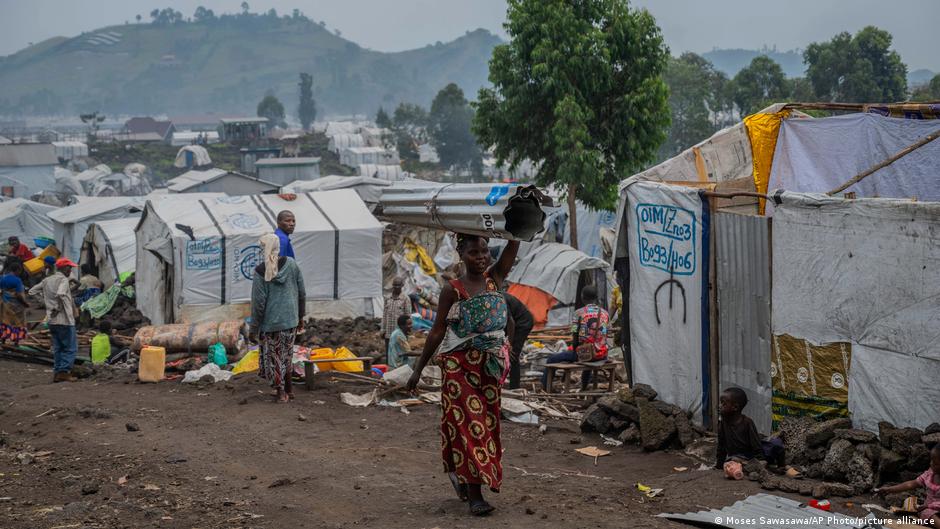
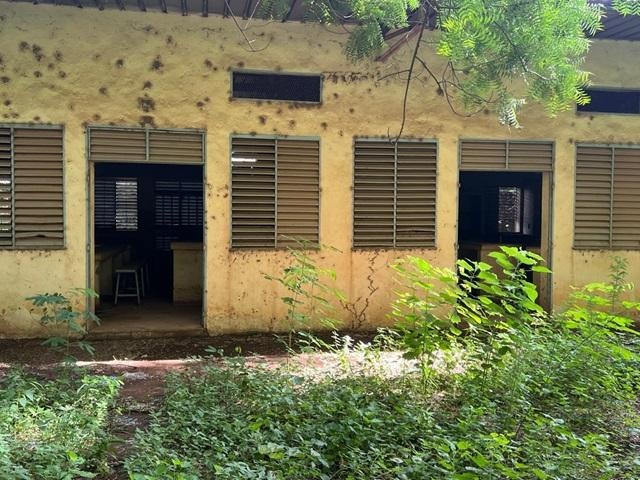
Investigations by UN monitors reveal a pattern of violence far beyond direct clashes with FDLR. Instead, the report details a strategy of collective punishment targeting villages suspected of harboring or aiding the Hutu armed group. Among the documented violations are extrajudicial killings, forced displacements, and the deliberate destruction of homes. These acts have reshaped the security landscape in eastern Congo since hostilities resumed in 2022, with devastating ripple effects on community stability.
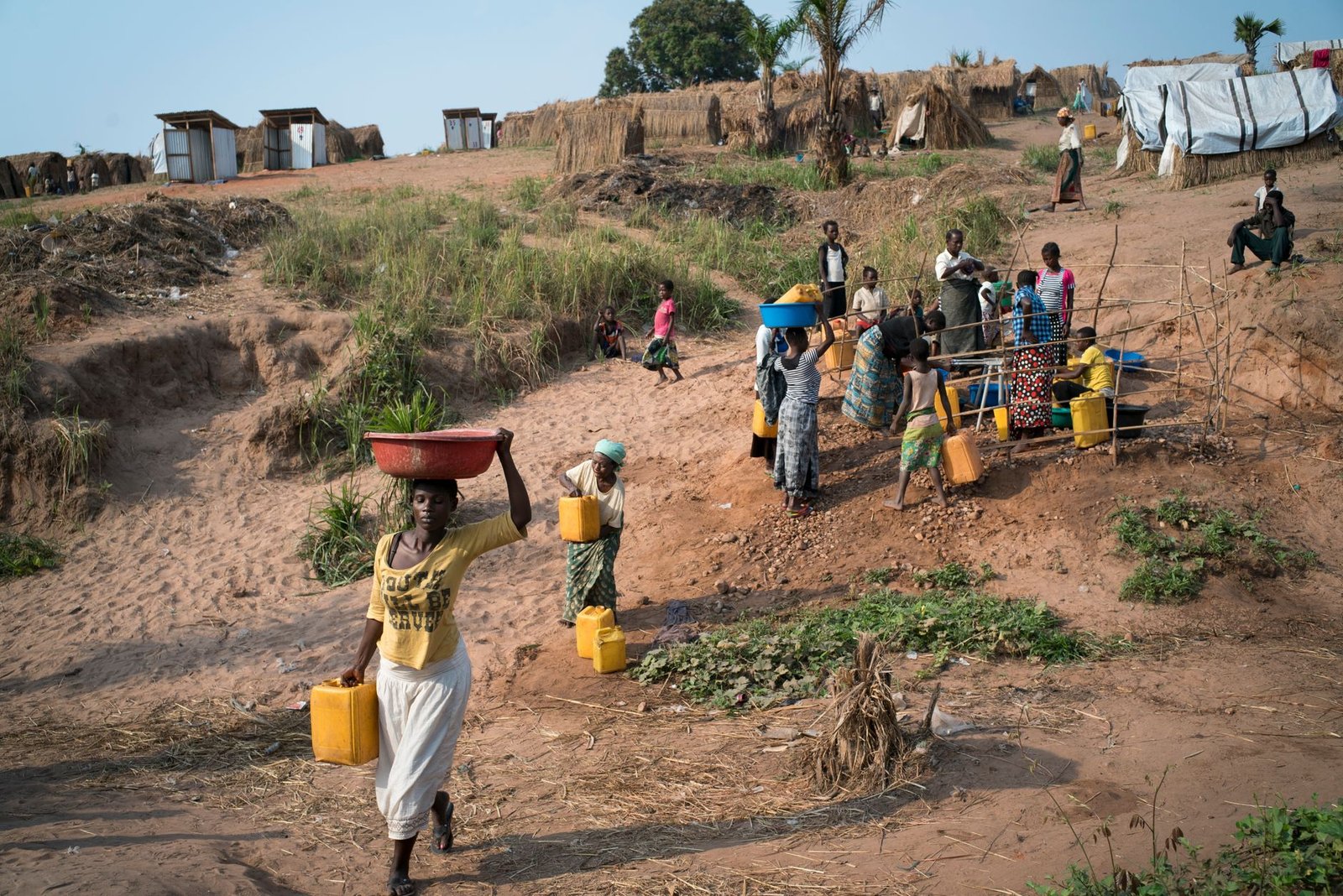
A critical challenge emerges from the report’s findings: the difficulty in distinguishing between FDLR combatants and Congolese Hutu civilians, who are often wrongly conflated. This misidentification has fueled deadly intercommunal violence that humanitarian agencies have struggled to mitigate. With humanitarian access increasingly restricted due to active fighting and imposed barriers, displaced populations continue to surge in Goma and Bukavu.
Kinshasa’s disarmament plan faces skepticism amid rising civilian casualties
The Congolese government maintains its commitment to a political process for the voluntary disarmament of FDLR fighters, framing this as the long-term solution to Rwanda’s armed presence on its soil. Kinshasa highlights ongoing cantonment efforts and repatriation initiatives under coordination with the UN Stabilization Mission in DRC (MONUSCO) and regional partners. However, these claims are fiercely disputed by Kigali, which views FDLR as an existential threat and accuses the Congolese government of tacit collusion.
Rwanda’s support for AFC/M23—previously documented in earlier UN expert reports—is framed as a necessary countermeasure. While the latest findings do not fundamentally alter this geopolitical calculus, they shift the debate toward the unacceptable human cost borne by Congolese civilians trapped in the crossfire.
Diplomatic deadlock deepens as regional stability hangs in the balance
The UN’s revelations coincide with a pivotal phase in regional mediation efforts. The Luanda and Nairobi processes, led by Angola and the East African Community respectively, aim to broker ceasefires, secure withdrawal of foreign forces, and neutralize armed groups. Yet the allegations against AFC/M23 complicate any potential political integration of the movement, a scenario previously floated in some mediation tracks.
For DRC’s economic partners—particularly in the mining sectors of coltan, cobalt, and tin—the escalating violence in the Kivus poses a growing threat. Efforts by the European Union and global tech industries to enforce supply chain transparency clash with the grim reality of a war economy where armed groups control critical supply routes. The UN’s meticulous documentation of atrocities could intensify international pressure on buyers and neighboring states complicit in cross-border trade.
A lingering question remains: what legal consequences will follow? Past UN expert reports have rarely culminated in prosecutions, despite repeated referrals to the International Criminal Court (ICC) regarding the Congolese situation. Human rights organizations are urging that this latest evidence be leveraged to initiate concrete legal proceedings, both domestically in Kinshasa and at the ICC in The Hague. Insiders anticipate the report will be reviewed by the UN Security Council in the coming weeks.