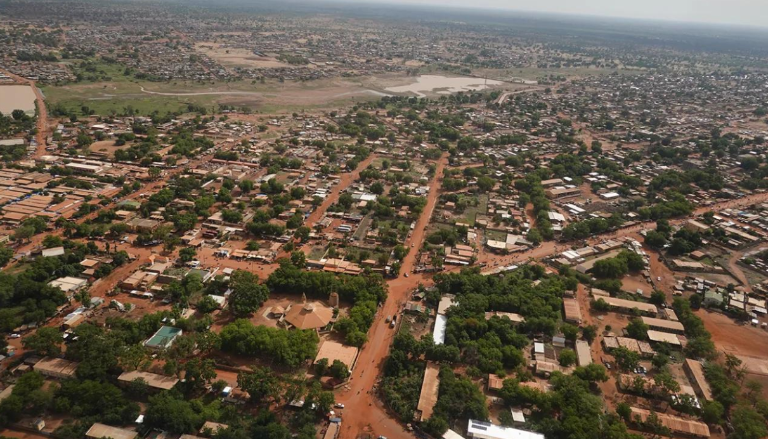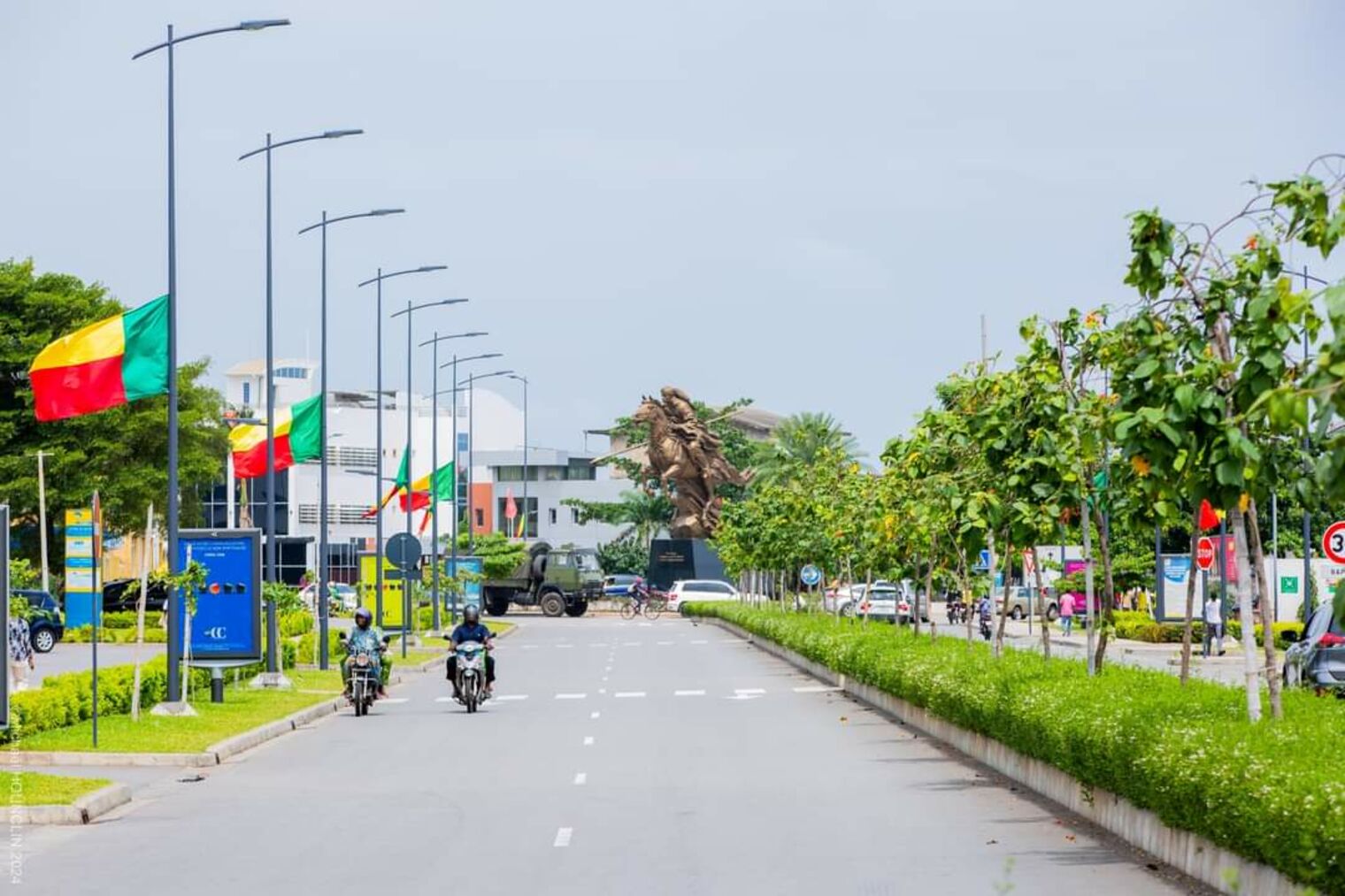
Cotonou, Benin’s vibrant economic capital, has reached a historic milestone in urban development. In the 2025 African Cities Cleanliness Index, the city secured not only the top position in West Africa but also claimed the third spot continent-wide a remarkable achievement that underscores a decisive shift in urban management and environmental stewardship.
From urban challenges to continental recognition: the turning point
The announcement marks a significant leap forward for Cotonou, which was ranked sixth in the previous edition of the index. With a score of 7.6 out of 10, the city’s performance reflects tangible improvements in waste collection, public space maintenance, and overall sanitation infrastructure. This progress has not only enhanced the city’s aesthetic appeal but also fostered a healthier living environment for its residents.
Unlike fleeting cleanliness campaigns, Cotonou’s ascent is rooted in sustained, high-impact initiatives. Behind the ranking lies a robust municipal strategy that prioritizes consistency in service delivery, efficient waste management systems, and long-term investments in urban renewal.
Measurable progress: data that tells a story
Quantifying the city’s transformation reveals the scale of this achievement. In 2024 alone, municipal teams removed over 14,000 tons of household waste monthly a testament to the logistical and operational efforts driving this change. Additionally, millions of square meters of roads, markets, and public spaces underwent regular maintenance, ensuring cleanliness and accessibility in key urban zones.
The cleanliness index itself is not merely a competition; it is a reflection of public sentiment. Based on 7,877 responses from permanent residents, the survey captures how citizens perceive their daily environment. For Cotonou, the results signal growing satisfaction and renewed civic pride in the city’s landscape.
Infrastructure and commitment: the pillars of Cotonou’s success
Several key factors have contributed to this breakthrough:
Expanded waste collection networks: Enhanced logistics and increased workforce have drastically reduced illegal dumping and improved waste diversion rates.
Public space revitalization: Regular cleaning schedules and infrastructure upgrades have transformed streets, markets, and recreational areas into cleaner, safer zones.
Community engagement initiatives: Awareness campaigns and participatory programs have encouraged residents to take ownership of cleanliness standards in their neighborhoods.
Strategic investments: Long-term funding allocations for sanitation and urban planning have ensured continuity in service delivery, even during periods of rapid population growth.
The road ahead: sustaining momentum
While the city has earned its place among Africa’s cleanest, the work is far from over. To maintain this ranking and to extend the benefits of improved sanitation to every district Cotonou must continue investing in modern infrastructure, reinforcing its waste management systems, and deepening community collaboration. The ultimate goal is not just to meet benchmarks but to cultivate a culture of environmental responsibility that endures for generations.
Cotonou’s achievement is more than a ranking; it is a blueprint for how deliberate urban policies can redefine the quality of life in dynamic African cities. As the city cements its reputation as a leader in cleanliness, it sets a powerful example for others to follow in the pursuit of sustainable and resilient urban futures.
By François Mvondo — Journalist