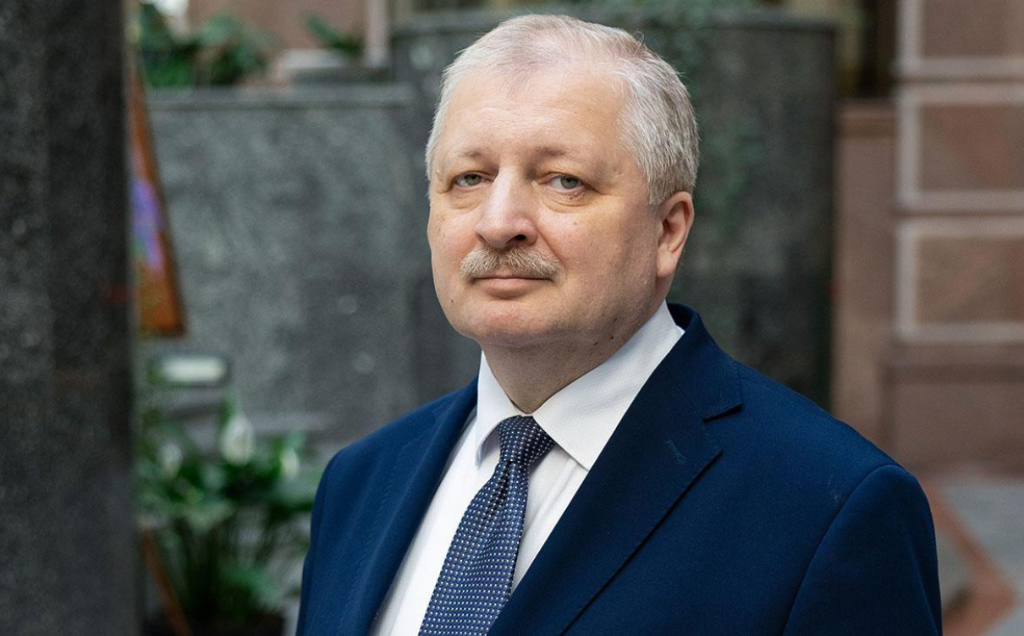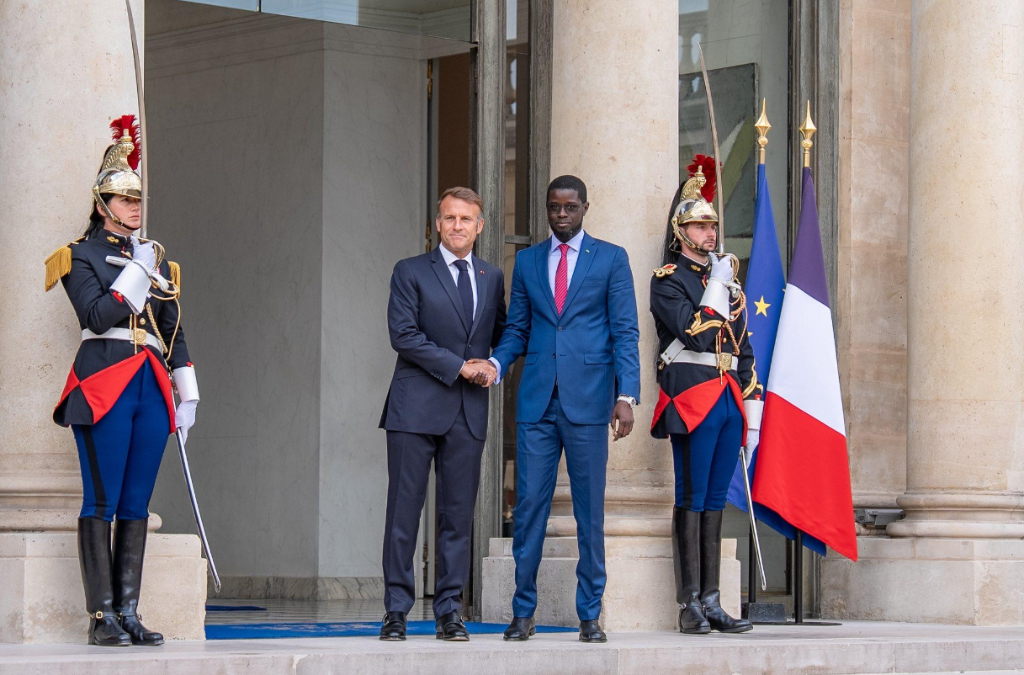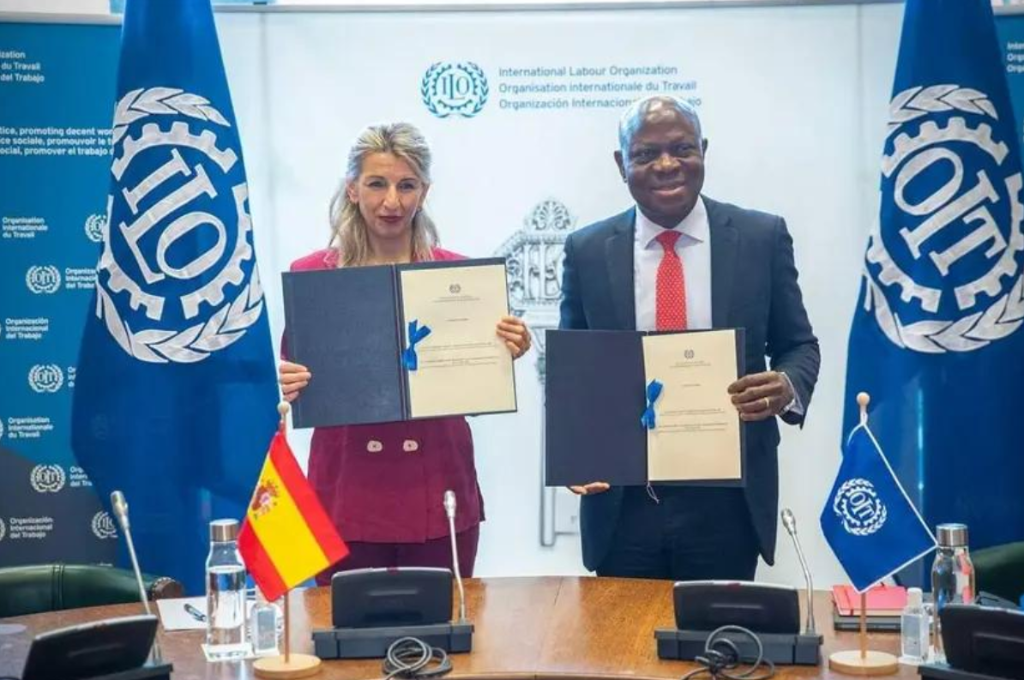
In a dramatic turn of events, Gilbert Houngbo, the Togolese leader of the International Labour Organization (ILO), has secured a second term after his main opponent, Spanish Labour Minister Yolanda Díaz, withdrew from the race just hours before the vote. The sudden exit of Díaz, who had initially challenged Houngbo’s leadership, transformed what was expected to be a contentious election into a uncontested victory. Yet, the absence of competition does little to mask the deep divisions surrounding the institution’s future.
Financial turbulence threatens the ILO’s stability
Yolanda Díaz’s decision to step aside was accompanied by a scathing critique of the ILO’s financial management under Houngbo’s outgoing administration. She described the organization as mired in a critical fiscal crisis, citing unpaid contributions from member states—particularly the United States—as a primary driver of instability. With the ILO’s budget stretched thin, drastic cost-cutting measures have been proposed, including workforce reductions and operational restructuring.
However, Díaz argued that these austerity steps disproportionately burden the organization’s own employees, undermining its core mission to protect workers’ rights. Her assessment underscores a paradox: an agency dedicated to global social justice is struggling to balance its own financial health without sacrificing the welfare of its staff.
The erosion of social dialogue within the ILO
Beyond financial woes, Díaz’s withdrawal shone a spotlight on another pressing issue: the deteriorating dialogue between the ILO leadership and its workforce. She condemned what she described as a breakdown in communication, citing strained relations between management and employee representatives. These tensions have spilled into the public sphere, with staff unions openly contesting restructuring plans and demanding greater transparency in decision-making.
The allegations strike at the heart of the ILO’s identity—an institution built on the principle of tripartite collaboration between governments, employers, and workers. Díaz’s criticism suggests that this very foundation is at risk of erosion, raising questions about whether the organization can uphold its mandate while grappling with internal strife.
Political and institutional pressures shape the upset victory
The weight of global labour alliances
The collapse of Díaz’s candidacy was not merely a personal setback but a reflection of broader tensions within the international labour movement. The International Trade Union Confederation (ITUC) had already endorsed Houngbo, while the International Organisation of Employers (IOE) also threw its support behind his re-election. These endorsements significantly weakened Díaz’s position, leaving her facing an uphill battle to rally alternative backing.
Díaz reserved particular scorn for the ITUC’s alignment with Houngbo, arguing that it failed to reflect the true divisions within the global labour movement. Her withdrawal was framed as a strategic move to prevent further fragmentation, though critics suggest it may have inadvertently handed Houngbo a hollow victory—one devoid of genuine opposition but fraught with lingering dissatisfaction.
A mandate without legitimacy?
With Díaz’s exit and the prior withdrawal of Peruvian candidate Javier González-Olaechea, Houngbo found himself running unopposed—a scenario reminiscent of past uncontested elections that have drawn scrutiny over the integrity of the process. While his re-election secures institutional continuity, it also leaves unanswered questions about the ILO’s ability to reform and restore trust among its stakeholders.
A second term defined by high-stakes challenges
As Houngbo begins his new five-year term, he faces a daunting agenda. The ILO’s financial crisis, the preservation of jobs, and the restoration of confidence among partners and staff are now top priorities. His administration must navigate these challenges without compromising the organization’s founding principles—principles that have long defined its role as a champion of social justice.
The coming years will test whether Houngbo can steer the ILO through turbulent waters or if the institution’s current struggles will deepen, leaving a legacy of unresolved tensions. One thing is clear: the absence of electoral competition does not equate to consensus. The criticisms leveled by Díaz—however inconvenient—serve as a reminder that the road ahead is paved with expectations the new leadership must meet.
What’s next for the ILO?
The re-election of Gilbert Houngbo marks a turning point for the ILO, but not necessarily a turning tide. To regain its footing, the organization must address three pivotal areas:
- Financial sustainability: Addressing member state arrears and exploring innovative funding models to reduce dependency on volatile contributions.
- Reinforcing social dialogue: Rebuilding trust with staff and partner organizations through inclusive decision-making and transparent reforms.
- Restoring global credibility: Demonstrating a renewed commitment to the ILO’s core values amid perceptions of internal dysfunction.
Without decisive action in these domains, the ILO risks becoming a symbol of its own contradictions—a beacon of hope for workers worldwide, yet an institution struggling to practise what it preaches.